
Reviewed · MOZZARELLA AND BUFFALO CHEESE TOURS
Matera: Mozzarella and Cheese tasting with a Cheesemaker
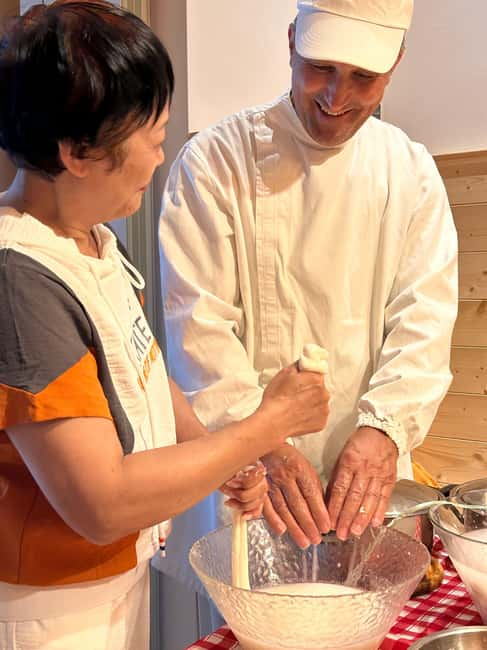
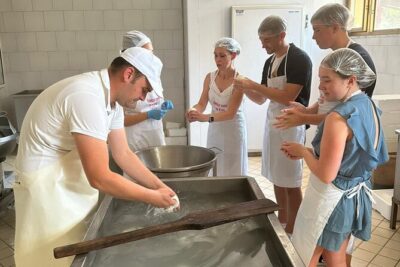
The best part of this Matera experience is the chance to work with mozzarella while it is still warm and pliable. You meet a three-generation cheesemaking family, learn how milk changes into different cheeses, and eat your way through a generous spread rather than simply watching a demonstration.
I like the hands-on mozzarella stretching and the farmer’s breakfast of yogurt, milk, butter, honey, jam, homemade treats, and local bread. I also like the small group size, limited to 10 people, which gives you a better chance to ask questions and get your hands into the work.
The one drawback is clear: this is not for anyone with lactose intolerance. Also, do not eat breakfast beforehand unless you have remarkable self-control. The food is a major part of the two-hour visit.
Key points to know before booking
- A working cheesemaker leads the session: You learn about production from a family business passed from father to son for three generations.
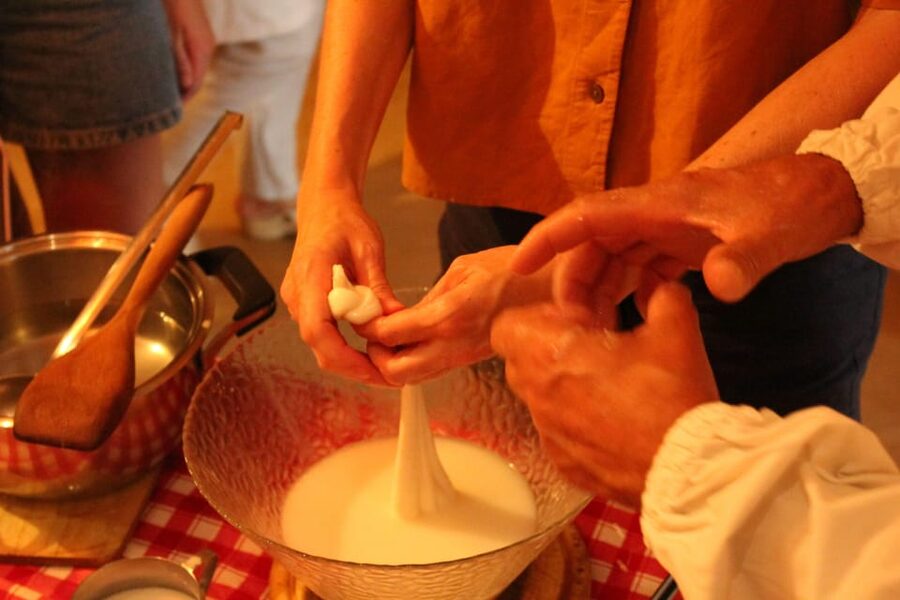
- Mozzarella is not just for watching: You help with the hand-stretching process and taste fresh mozzarella and burrata.
- The meal comes early and keeps coming: Expect yogurt, milk, butter, bread, preserves, honey, and other homemade treats.
- The tasting covers eight cheese categories: You try two fresh, two semi-fresh, two semi-matured, and two matured cheeses.
- You take cheese home: Provolone, Scamorza, or another cheese comes vacuum-packed and can be transported for up to 20 days.
- Plan your arrival carefully: Transportation is not included, and the meeting point is the brown door beside the cheese shop.
A farmer’s breakfast that can replace lunch
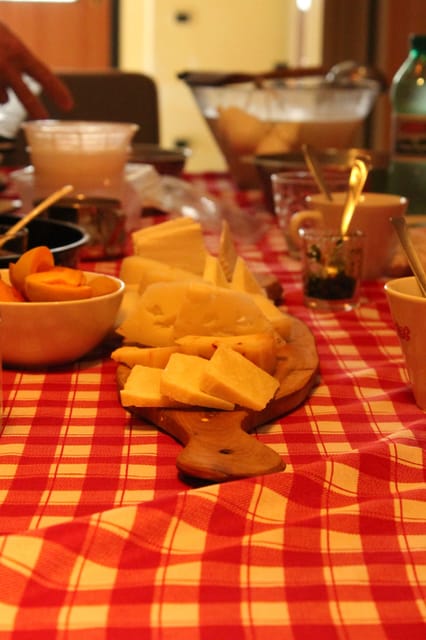
The experience begins with food, and not with a token nibble. You sit down to a typical farmer’s breakfast built around the creamery’s organic dairy products.
Expect fresh yogurt, fresh milk, butter, local bread, honey, jam, and homemade treats. The exact serving order may vary, but the idea is simple: taste the basic dairy products before learning how they are turned into cheese.
This opening is useful because it gives you a better sense of the milk itself. Fresh yogurt tastes different from aged cheese, and butter shows another side of the same ingredient. You are not only tasting finished products. You are comparing the early building blocks of the cheesemaker’s work.
Plan to arrive hungry. Two separate visitors specifically advised skipping breakfast, and that is practical advice here. With the breakfast, cheese samples, mozzarella, burrata, and the later tasting, this is closer to a compact food tour than a quick class.
The breakfast also helps set the tone. The hosts have opened their home and family business to you, so the morning or afternoon feels more personal than a standard factory visit. That warmth is a major reason this suits people who prefer meeting local producers over moving through a large commercial attraction.
More mozzarella and buffalo dairies in Italy:
- Cooking class with Pasta, mozzarella and Tiramisu with wine
★ 5.0 · 549 reviews - Amalfi: Make Fresh Pasta, Mozzarella & Tiramisù with wine
★ 5.0 · 503 reviews - Amalfi: Prepare fresh pasta, mozzarella and tiramisu
★ 5.0 · 315 reviews
Meeting a family cheesemaker in Matera
The cheesemaker’s family has produced handmade cheese for three generations. During the introduction, you learn about the family business and the tradition of local dairy production.
That background matters because the session is not just a recipe lesson. You hear how the work has been passed from father to son, then see the practical steps behind the finished food. The hosts explain the process in Italian or English, so you can follow along even if you do not speak Italian.
The setting is part of the appeal. The experience takes place with a cheesemaker and his wife in their home, according to the available visitor details. You should expect a friendly, domestic atmosphere rather than a formal cooking school with rows of workstations.
That can be a plus or a limitation. If you want a polished, highly choreographed class, this may feel informal. If you want direct contact with a family that has spent a lifetime making cheese, the home setting gives the experience its character.
The group is capped at 10 people. That is small enough for the cheesemaker to demonstrate the work closely and help as you try it yourself. It also means the class can feel sociable, especially if you are traveling with friends or family.
From milk to more than 100 kinds of cheese
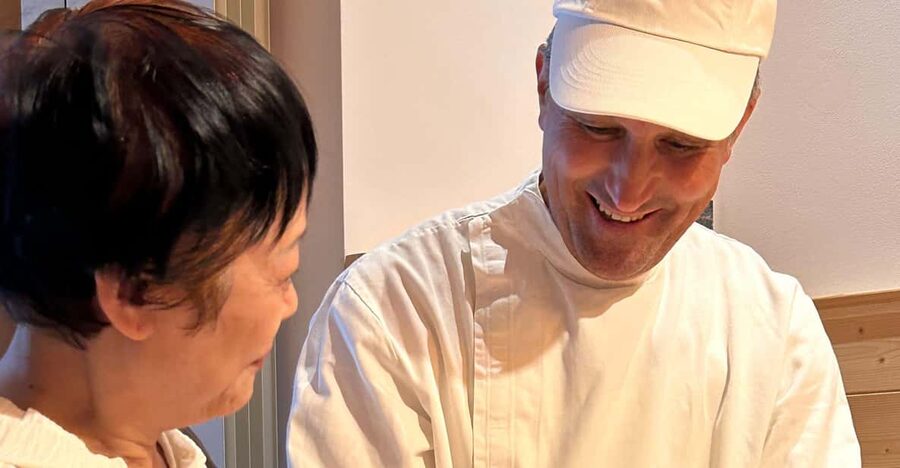
The central lesson follows the path from milk to finished cheese. You learn about the processing and cooking stages, then see how changes in handling create different textures and styles.
The family business produces more than 100 types of cheese. You will not make all of them in two hours, of course, but that figure gives useful context. A few small changes in cooking, stretching, aging, or shaping can lead to very different results.
The class focuses on the practical work. You may assist with milk processing and cooking, watch the cheesemaker shape products by hand, and take part in the mozzarella stretching. The lesson is meant to show you how much skill sits behind a simple ball of fresh cheese.
This is especially valuable if you normally buy mozzarella without thinking about its production. The stretch, temperature, and timing all matter. The hands-on portion lets you see why fresh cheese can be soft and elastic, while matured cheese becomes firmer and more intense.
You should not expect to leave as a trained cheesemaker. The time is short, and the class combines instruction with a large amount of eating. But you will understand the process better and have a practical memory to take home.
Stretching mozzarella and shaping burrata
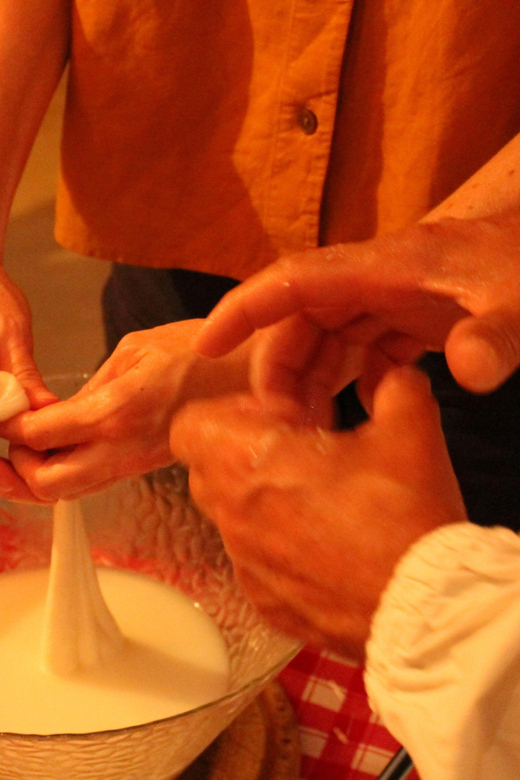
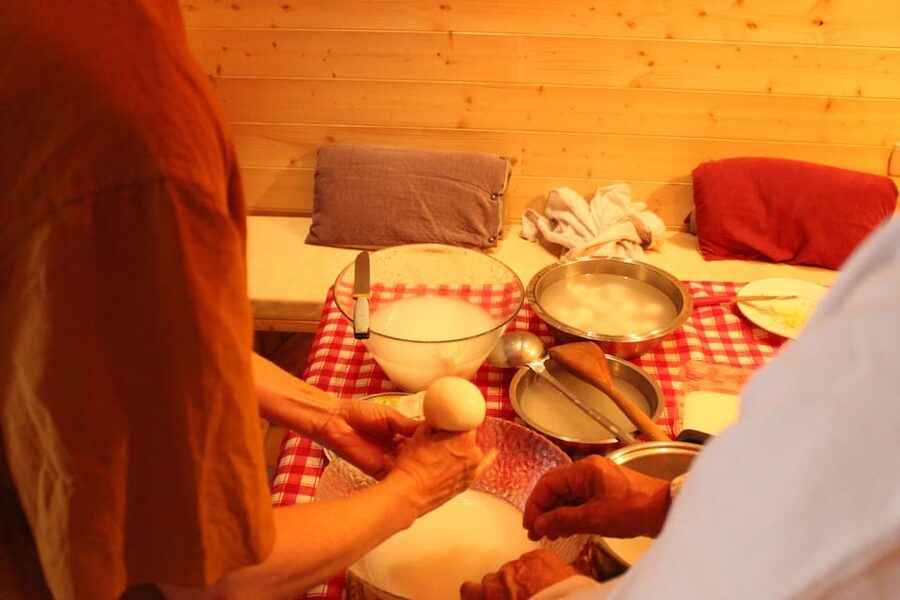
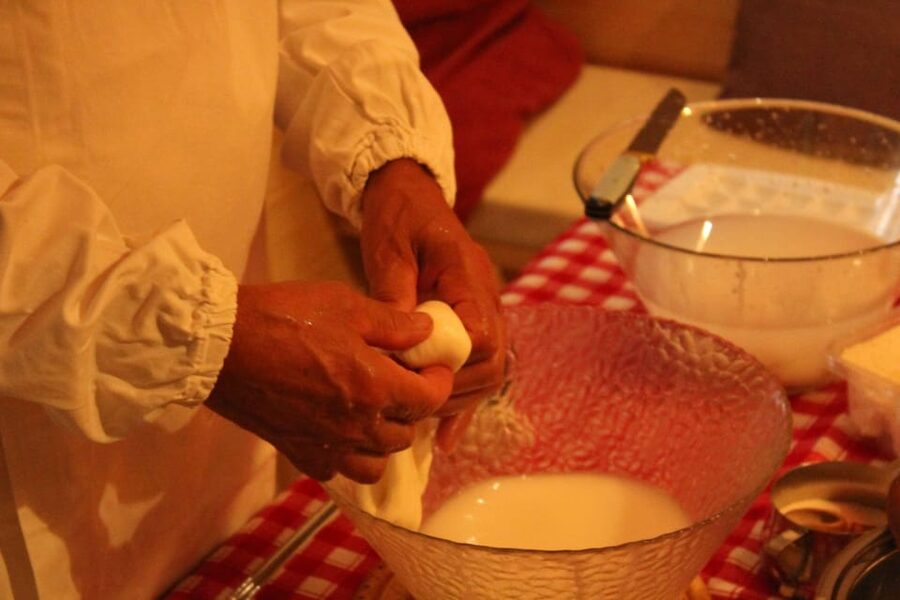
The most memorable part is the mozzarella session. You watch the typical hand-stretching method, then try it yourself with guidance from the cheesemaker.
This is the moment to expect a little trial and error. The technique looks simple when an experienced producer does it. Your first attempt may not have the same neat shape, and that is part of the fun. You are handling a living food process rather than following a dry list of instructions.
Fresh mozzarella is prepared for tasting, along with burrata. Burrata is especially worth noting because its soft outer shell and creamy center show how the same dairy craft can produce a very different result from standard mozzarella.
The timing is important. You taste the cheese close to the point of production, when freshness is the main feature. A visitor from Australia singled out the burrata and ricotta as particular highlights, and the appeal is easy to understand: local milk and immediate tasting make this very different from supermarket cheese eaten days later.
You may also see or assist with other handmade cheese production during the session. The exact amount of hands-on work can depend on the group and the stage of production that day, but the stated format includes both a demonstration and your own attempt at mozzarella stretching.
More cheese tours worth booking in Italy:
- Authentic Farm Tour with Pizza, Cheese, Wine & Limoncello Tasting
★ 5.0 · 698 reviews - Sorrento Farm by Tuk Tuk: Cheese, Limoncello & Hands-On Pizza
★ 5.0 · 628 reviews - Tour Parmigiano Reggiano dairy and Parma ham
★ 5.0 · 601 reviews - Parma: Parmigiano Production and Parma Ham Tour & Tasting
★ 4.9 · 554 reviews
Eight cheese styles, from fresh to matured
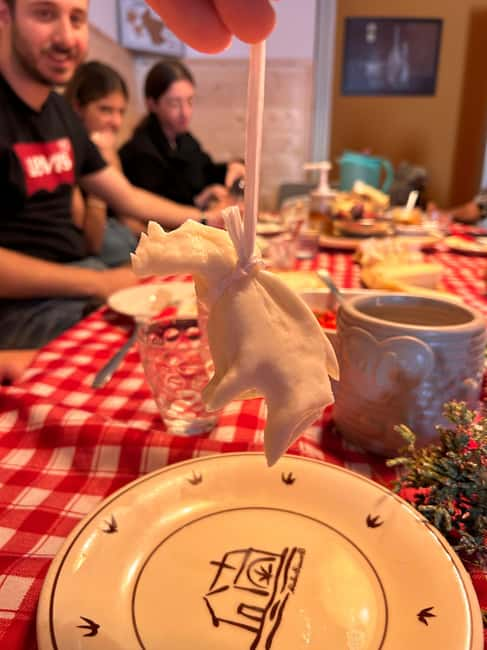
The formal tasting covers a broad range. You try:
- Two fresh cheeses
- Two semi-fresh cheeses
- Two semi-matured cheeses
- Two matured cheeses
That progression gives the tasting a useful shape. You begin with soft, mild dairy flavors, then move toward firmer cheeses with more time behind them. It is a better way to understand aging than tasting several similar fresh cheeses in a row.
The tasting also shows why cheese is not one single product. Fresh cheese highlights milk quality and texture. Semi-fresh cheese begins to develop more body. Matured cheese brings a different firmness and stronger character.
The session includes freshly prepared mozzarella and burrata in addition to those eight categories. You therefore get both a structured tasting and the pleasure of eating cheese made during the class.
Because the breakfast comes first, pace yourself. It is easy to fill up on bread, butter, yogurt, and the first cheese samples, then find yourself too full for the later tasting. I would treat the breakfast as the first course of a long dairy meal.
Taking home Provolone or Scamorza
At the end, you receive a small cheese to take home. This may be Provolone, Scamorza, or another type of cheese, packed in a vacuum package.
The cheese can be transported for up to 20 days without a problem, which makes it practical as a gift for family or friends. It is also a useful souvenir because it connects directly to the skill you learned rather than being a generic Matera purchase.
Do check the exact cheese you receive and the transport conditions for your own journey. The experience states that the vacuum-packed cheese can travel for 20 days, but your route, storage, and airline rules still matter. Keep the package intact and follow any instructions the hosts provide.
This final gift adds value to the $77 price. You are not paying only for a tasting. The fee covers the breakfast, instruction, hands-on activity, multiple cheese samples, and a packaged product to take away.
Is $77 a fair price?
At $77 per person, this is not the cheapest food activity in Basilicata. It is also more substantial than a short tasting at a shop.
For two hours, you receive a full farmer’s breakfast, a family-business introduction, a mozzarella demonstration, hands-on practice, fresh mozzarella and burrata, eight additional cheese samples, and a vacuum-packed cheese. If you would buy a meal, a tasting, and a souvenir separately, the total value becomes easier to see.
The strongest value is the personal contact. You are learning from a working cheesemaker rather than only hearing a guide describe the process. The limited group size helps make the price feel reasonable, particularly for food lovers and anyone interested in small-scale production.
The value is weaker if you are not especially fond of dairy. You cannot simply skip the main subject, since cheese and milk appear throughout the visit. People with lactose intolerance should not book this activity.
The price also does not include transportation. You need to arrange your own way to the meeting point in Matera, at the brown door beside the cheese shop. That is a small but important detail if you are staying in the historic center or relying on taxis.
Who will enjoy this most?
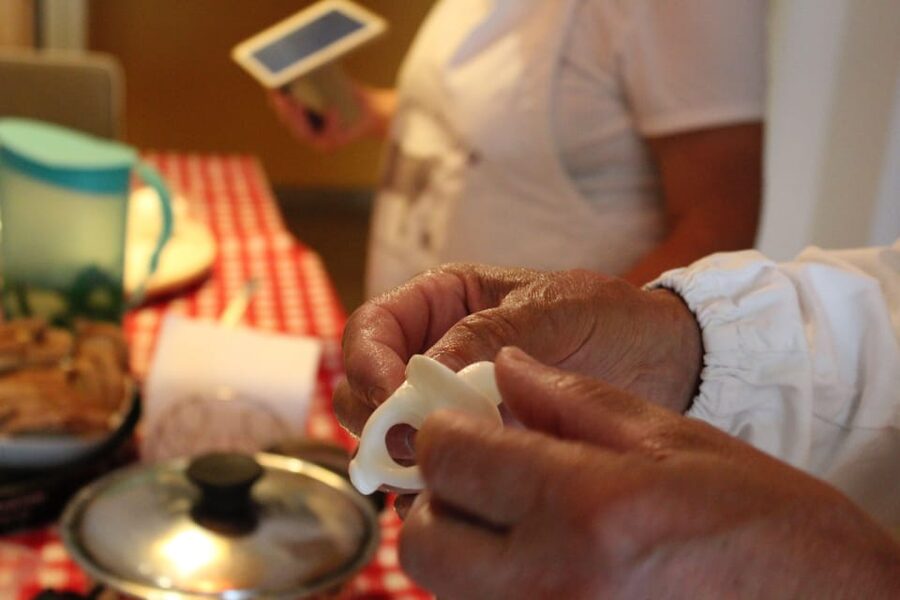
I would recommend this experience to anyone who plans a food-focused stay in Matera. It suits couples, families with older children, and small groups of friends who enjoy eating as much as sightseeing.
It is particularly good for people who like real production stories. You learn from a family that has kept the craft going for three generations, and the setting feels close to everyday life rather than built only for tourists.
It also works well for visitors who want a break from Matera’s stone streets and viewpoints. The session gives you a different look at Basilicata, one based on food, household hospitality, and local work.
You may want to choose another activity if you want a fast tasting, a formal culinary certificate, or a broad regional meal with meat, vegetables, and wine. This is a dairy-centered visit, and the amount of cheese is considerable.
The two-hour length is useful. It is long enough to include instruction and tasting but short enough to fit around other plans in Matera. Still, allow a little flexibility in your day because a generous meal and conversation can make the visit feel unhurried.
Practical details that matter
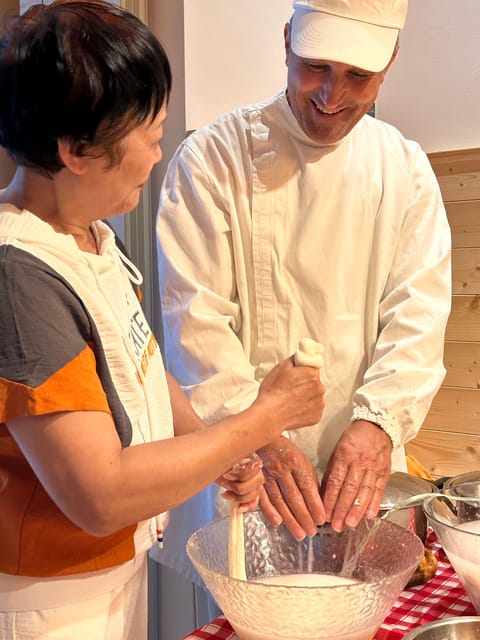
The activity is offered in Italian and English. The group is limited to 10 people, which is a helpful balance between a social setting and access to the cheesemaker.
You meet at the brown door beside the cheese shop. Transportation is not included, so confirm your route before setting out. Do not assume the meeting point will be obvious if you are navigating Matera for the first time.
Pets are not allowed. The experience is also specifically unsuitable for people with lactose intolerance.
You can cancel up to 24 hours in advance for a full refund, and the reserve-now, pay-later option lets you keep your plans flexible. Starting times vary, so check availability for the date you want.
Should you book the cheesemaking session?
Book it if you want a warm, food-heavy encounter with a local family, and if mozzarella, burrata, and aged cheese sound like a good use of two hours in Matera. The strongest reasons are the hands-on stretching, the unusually generous tasting, and the chance to learn directly from a three-generation cheesemaking business.
Skip it if you dislike dairy, need a light snack, or prefer a formal cooking school. Also remember to arrange your own transportation and arrive hungry.
For the right person, $77 buys more than cheese samples. You get a meal, a lesson, a chance to make mozzarella, and a useful edible souvenir. That makes it one of the more personal food experiences you can add to a Matera visit.
FAQ
How long does the cheesemaking experience last?
The activity lasts two hours.
What languages are available?
The cheesemaker-led experience is available in Italian and English.
Where is the meeting point?
Meet at the brown door beside the cheese shop.
Is transportation included?
No. Transportation is not included in the activity price.
What food is included at the start?
The organic farmer breakfast includes fresh yogurt, fresh milk, fresh butter, homemade treats, honey, jam, and typical local bread.
How many cheeses will I taste?
You taste freshly prepared mozzarella and burrata, plus two fresh cheeses, two semi-fresh cheeses, two semi-matured cheeses, and two matured cheeses.
Can I make mozzarella myself?
Yes. The activity includes a mozzarella stretching demonstration and a hands-on session.
What can I take home?
You receive Provolone, Scamorza, or another type of cheese in a vacuum package. The cheese can be transported for up to 20 days without a problem.
New cheese trips in Italy
- Wine Tasting with Cured Meats & Cheeses in Florence★ 5.0 · 2 reviews
- Vico Equense: Tour in the dairy “Mozzarella Experience”★ 5.0 · 19 reviews
- Turin: Gastronomy tasting through oil, wine and cheese★ 5.0 · 2 reviews
- From Parma/Cinque Terre: Truffle & Parmesan Picnic (Tasting)★ 5.0 · 2 reviews
- Tuscany: Ripalte Design Winery Wine and Cheese Tasting Tour★ 4.7 · 15 reviews
- The Valpolicella food & wine driving tour: cheese factory+ winery★ 5.0 · 6 reviews
- Prosecco Hills Wine and Cheese Gourmet Discovery★ 5.0 · 6 reviews
- Full Day Prosecco and Cheese Tasting from Venice★ 5.0 · 9 reviews
Mozzarella and Buffalo Cheese Tours, compared.
Cooking class with Pasta, mozzarella and Tiramisu with wine
Read our review →
Make Fresh Pasta, Mozzarella & Tiramisù with wine
Read our review →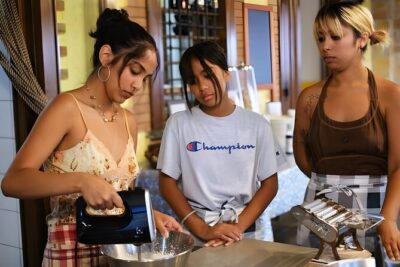
Make Fresh Pasta, Mozzarella, & Tiramisù with Wine
Read our review →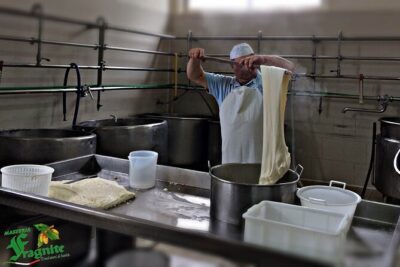
Mozzarella Experience – Cheese Tour and tastings to Masseria Fragnite
Read our review →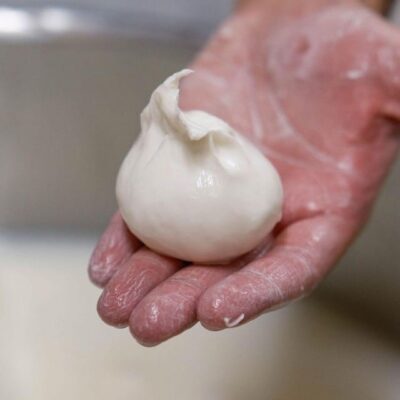
Masseria Seppunisi Tour, Cheese, Burrata Tasting
Read our review →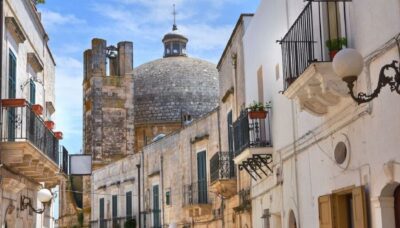
Mozzarella Experience with Tasting in Vico Equense
Read our review →Browse the lists this tour appears in