
Reviewed · CHEESE AND CHARCUTERIE BOARDS
Bordeaux Wines Masterclass paired with cheeses & charcuterie
Bordeaux is easier to understand once you taste its parts side by side. This class begins with a white wine, moves through single-grape reds, then finishes with wines from the Left Bank and Right Bank, including one Bordeaux grand cru. That progression is the best reason to book.
I like the way the class turns confusing wine words into useful buying skills. I also like the small-group setup, with a maximum of 10 people, and the local cheese, charcuterie, and baguette that make the lesson feel like part of Bordeaux rather than a lecture. The main catch is timing: it is advertised at 90 minutes, but the discussion can run longer.
Key points at a glance
- Six planned regional wines: One white and five reds, with the exact wines subject to change.
- A side-by-side Bordeaux lesson: Single-grape reds show why the region relies so much on blending.
- Two banks, two styles: The final wines compare the Left Bank and Right Bank, including one grand cru.
- Useful food pairing: Local cheeses, cold cuts, and fresh baguette accompany the tasting.
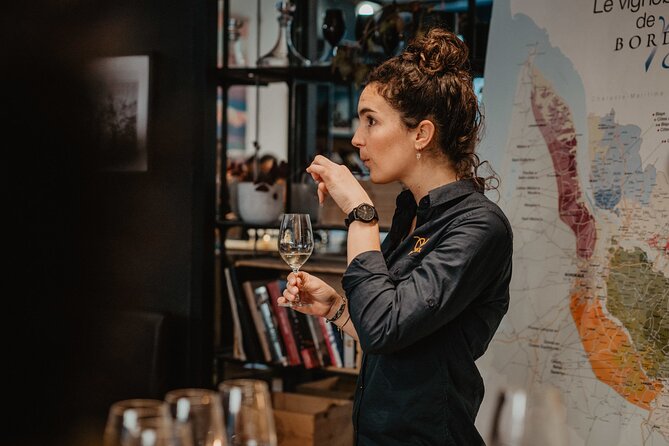
- Small and personal: The group is capped at 10, and guides adjust the class to the group’s wine knowledge.
- Central Bordeaux location: The workshop starts at 2ter Rue Mably, two steps from the Grand Théâtre.
A practical introduction to Bordeaux wine
Bordeaux wine can seem like a code made of place names, châteaux, grape varieties, and classifications. This workshop gives you a workable key. Instead of simply pouring famous bottles, the instructor explains how terroir, appellation, winemaking, aging, storage, and service affect what reaches your glass.
You do not need prior wine training. The session is designed to teach as it pours, so you learn by looking, smelling, tasting, and comparing. That makes it a good first activity in Bordeaux, especially if you plan to visit wine country later in your trip or want to order local wine with more confidence.
The setting is a wine bar and classroom in central Bordeaux, near the Grand Théâtre. It is not a château visit, and you will not tour vineyards or cellars. The value comes from focused explanation and comparison in one sitting.
Several instructors lead the sessions. Names associated with the class include Hugo, Antoine, Noe, Vincent, Matilde, and Ana. The strongest praise centers on their ability to explain difficult points in plain language and adjust the talk to the group. That matters here because a class can quickly become too technical if the presenter assumes everyone already knows French wine.
More Cheese and Charcuterie Boards in France
- Tasting of 6 Bordeaux wines and pairing charcuterie & cheese
★ 5.0 · 199 reviews - Bordeaux: Wine Masterclass with Cheese and Charcuterie Board
★ 4.9 · 184 reviews - Introduction to Bordeaux wines paired with cheeses & charcuterie
★ 5.0 · 175 reviews
The tasting starts with one white wine
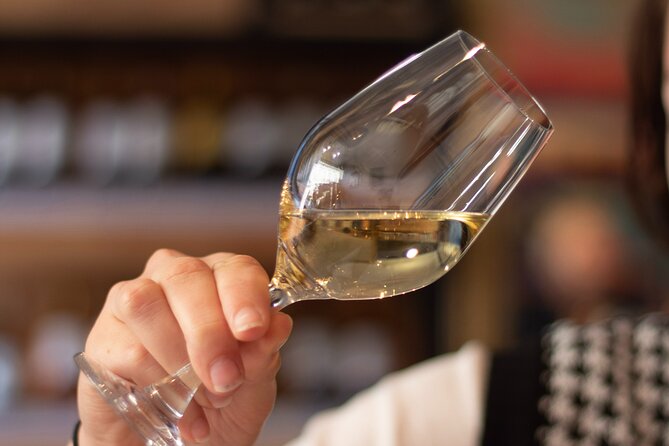
Your first glass is a white Bordeaux. It serves two purposes: you taste a regional wine, and you learn the basic sequence for tasting wine using a standard method.
The instructor guides you through the visual check, aromas, and palate. You will work on noticing what the wine smells and tastes like rather than rushing to decide if you simply like it. This is a useful skill for the rest of the class, since the later red wines are intended for comparison.
The white opening also prevents the session from becoming five or six glasses of similar red wine. Bordeaux is best understood as a region with several permitted grapes and styles, not just a synonym for powerful red wine. The exact bottle may change, so you should treat the white as a lesson in the regional category rather than a guaranteed label.
Single-grape reds explain Bordeaux blending
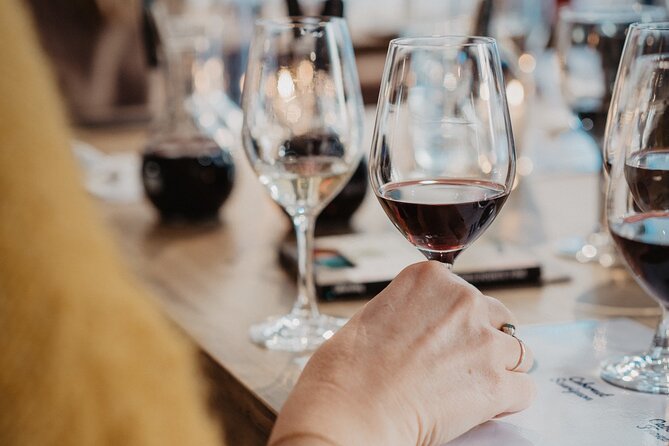
The central teaching section uses three regional red wines made from single grape varieties. This is one of the most useful ideas in the class. Bordeaux wines are often blends, so tasting individual grapes helps you understand what each brings to the final wine.
You may compare differences in aroma, structure, body, acidity, and tannin. The point is not to memorize a list of tasting notes. It is to see why a winemaker combines grapes, and why the same blend can taste different depending on soil, climate, harvest conditions, and aging.
The class also covers grape varieties and how to identify their general character. You will hear terms such as terroir and appellation in context, not as isolated vocabulary. That is helpful when you later see a Bordeaux bottle labeled by château or appellation rather than by a prominent grape name.
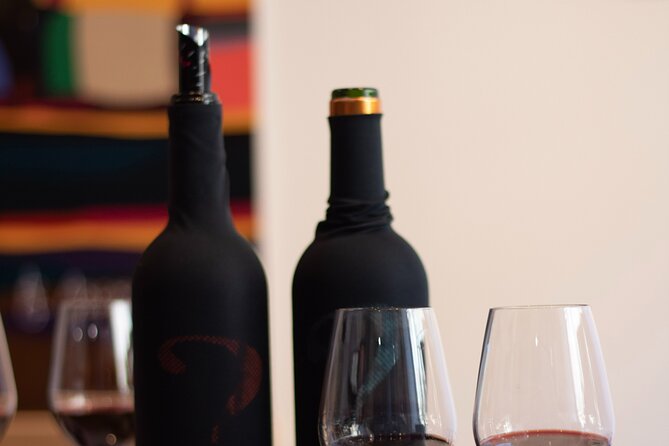
A blind tasting or scent exercise may also be included. One session used a game to identify aromas, while another included sensory testing and a deliberate explanation of primary, secondary, and tertiary aromas. These activities make the lesson more active, though you should not expect a formal exam or professional certification.
Left Bank and Right Bank in two final glasses
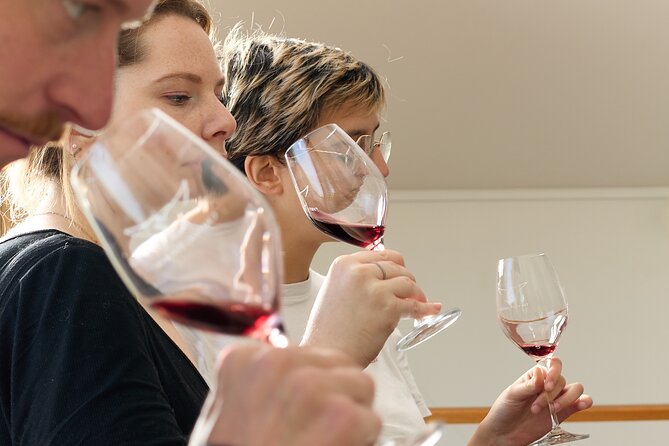
The final stage compares two fine wines, one from the Left Bank and one from the Right Bank. One is a Bordeaux grand cru. This is where the earlier grape and blending lessons begin to make practical sense.
The Left Bank and Right Bank are not just directions on a map. They are useful shorthand for different Bordeaux traditions, appellations, and typical blends. The class gives you a foundation for recognizing those differences before you start choosing bottles or planning visits outside the city.
The grand cru gives the tasting a special finish, but expectations should stay sensible. A grand cru designation does not mean every glass will match the most expensive or famous Bordeaux you have ever tasted. The goal is education and comparison, not a luxury tasting built around rare bottles. Some attendees found the wines good without considering them the most exquisite they had tasted.
The advertised program includes six wines, one white and five reds. Individual sessions can differ, and one tasting account described nine wines. The practical lesson is simple: expect the selection and order to vary while the overall quality and teaching format remain the same.
More Wine and Cheese Tastings in France
- Professional – Bordeaux Wine and Cheese Tasting with a walking tour
★ 5.0 · 218 reviews - Bordeaux Gourmet Experience: Cheese & Wine Tasting
★ 4.6 · 169 reviews - Bordeaux Gourmet Experience : tasting of French cheeses & wines
★ 4.5 · 71 reviews - Bordeaux Afternoon Food Tour : Sweets, Wine and Cheese
★ 5.0 · 38 reviews
Cheese, charcuterie, and baguette make the lesson practical
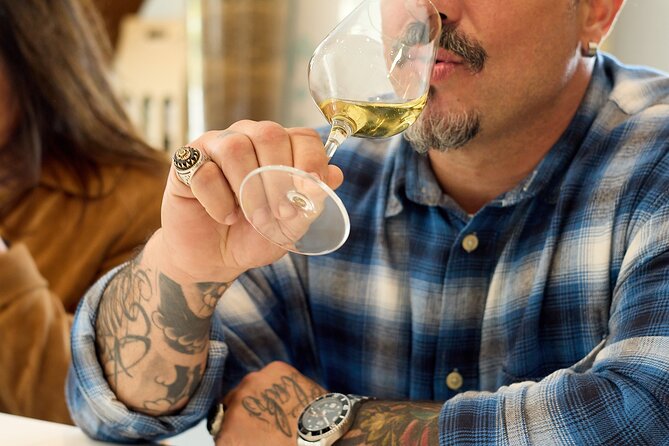
The food is more than decoration. You receive an assortment of local cheeses and charcuterie, with fresh baguette available throughout the class. These foods give you a chance to notice how wine changes alongside salt, fat, creaminess, and savory flavors.
The portions are described as a snack board rather than a full lunch. If you arrive hungry, do not treat the tasting as a meal replacement. It is enough to support the wine and add a clear sense of local food culture.
I like this part because it connects the lesson to what you will actually do in Bordeaux. Wine is rarely enjoyed in isolation here. Comparing a wine before and after a bite of cheese or cured meat gives you a practical reason to care about food pairing.
There is one sensible point to keep in mind. Traditional cheeses can have a strong smell, and one complaint focused on an unpleasant odor in the room. The provider explained that the smell came from local artisanal cheese. Most of the available feedback describes the food as enjoyable, but anyone sensitive to strong cheese aromas should know what kind of tasting this is.
Guides who teach instead of simply pour
The guide can make or break a wine class. Here, the named instructors receive especially strong praise for clarity, warmth, and flexibility.
Antoine is described as making complicated ideas easy to understand. Hugo is associated with a friendly session focused on Bordeaux’s banks, history, and theory. Noe led a more sensory-focused class, explaining how to recognize primary, secondary, and tertiary aromas. Vincent covered regional history, tasting technique, and the grapes used in different areas. Matilde was praised for clear explanations and for creating a friendly exchange among the people at the table. Ana was noted for patient, personal attention.
That range suggests that the exact tone can depend on your instructor. The common thread is a teaching style aimed at both beginners and people who already drink Bordeaux. A guide may slow down for questions or spend more time on geography and appellations if the group wants it.
You should not expect a scripted performance with no room for discussion. The class can run beyond 90 minutes when questions and explanations continue. Plan a little breathing room afterward, especially if you have a museum visit, lunch reservation, or train to catch.
Why the central location matters
The meeting point is 2ter Rue Mably, near the Grand Théâtre in central Bordeaux. The activity ends at the same location, so there is no transfer to a distant château or vineyard.
That makes the class easy to fit into a city itinerary. You can schedule it around the historic center without spending half a day on transport. It also means you should not book it expecting countryside scenery, vineyard walks, or a visit to a working estate. This is an urban wine education experience.
The stated start time is 11:00 a.m. A morning class can work well as an introduction before lunch, though the combination of several pours and food may make it a substantial part of your morning. Water is available, and using it between wines is a good idea.
The experience is offered in English, with a mobile ticket. Service animals are allowed, and the venue is near public transportation. Children under 16 and pets are not permitted in the group format. A private tasting is suggested as a better fit for those needs.
What you get for $54.42
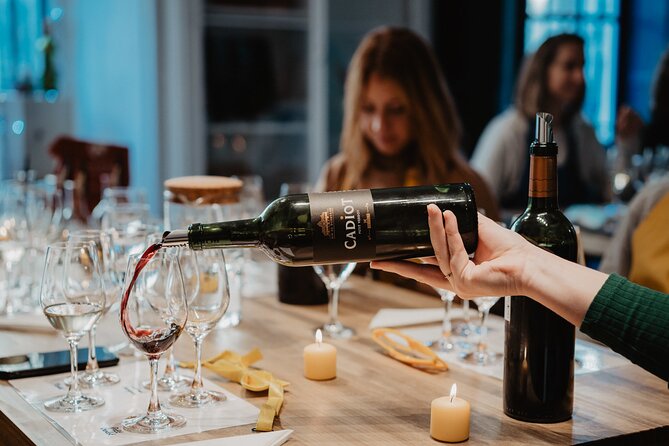
At $54.42 per person, the price is reasonable if you want more than a casual glass of wine. You are paying for six planned pours, instruction from a wine professional, a cheese and charcuterie board, bread, water, and a compact lesson on one of France’s major wine regions.
The comparison element adds real value. A standard tasting may give you several wines and a few facts. This class explains why the wines differ, how Bordeaux labels work, and what to look for when you make your next choice. That can save money later by helping you avoid buying a bottle based only on a famous name or attractive label.
The value is less clear if you already have extensive Bordeaux experience and want rare or highly prestigious wines. This is a foundation class, not a collector’s tasting. Even experienced drinkers, though, may appreciate the single-grape comparison, sensory exercises, and explanation of food pairing.
The strong overall rating, listed at 4.9 from 110 ratings with 99 percent recommending it, fits the class’s main strengths: clear teaching, small groups, useful regional context, and a friendly pace. There is also one serious negative account describing heat, an odor problem, and poor food-handling concerns. That experience does not match the much larger pattern of positive reports, but it is fair to mention because comfort and room conditions can matter during a tasting.
Who should book this Bordeaux class
I would choose this for a first visit to Bordeaux, especially if the region’s wine terms already feel confusing. It gives you enough background to understand Left Bank and Right Bank references, recognize why blends matter, and approach a restaurant wine list with less hesitation.
It also suits couples and small groups looking for a shared activity in the city center. The food makes it more sociable than a lecture, while the maximum group size keeps it from feeling like a large commercial tasting.
Experienced wine drinkers can still get value from the blind or scent exercises and the side-by-side single-grape format. But if your priority is visiting estates, seeing vineyards, or tasting a long list of famous classified growths, choose a château excursion instead.
The class is not suitable for anyone under 16, and pets are not allowed in the standard group session. If you need a private format, contact the provider about that option rather than assuming the regular booking can accommodate you.
Booking and cancellation details
The experience is often booked well ahead, with an average booking time of about 31 days. That is useful to know if your Bordeaux dates are fixed, though availability can change.
You can cancel for a full refund up to 24 hours before the local start time. Changes or cancellations made inside that 24-hour window are not accepted for a refund. The wine list and schedule may change, but the stated standard of the offer remains the same.
FAQ
How many wines are included?
The planned tasting includes six wines: one white and five reds. The exact wines may vary, and some sessions have included more pours.
What food is served with the wine?
You receive an assortment of local cheeses and charcuterie, along with fresh baguette bread. Water is also available.
Where does the class begin?
The meeting point is 2ter Rue Mably, 33000 Bordeaux, France, near the Grand Théâtre. The activity ends back at the meeting point.
How long does the tasting last?
The scheduled duration is approximately 1 hour and 30 minutes. It can run longer when the discussion and questions continue, so leave extra time afterward.
Is prior wine knowledge required?
No. The workshop teaches basic and more detailed ideas such as terroir, grape varieties, appellations, blending, winemaking, aging, storage, and wine service.
Are children and pets allowed?
Children under 16 and pets are not allowed in the standard group tasting. Service animals are allowed. A private tasting may be more suitable for people who need a different arrangement.
Should you book it?
Book this Bordeaux wine masterclass if you want a clear, central, English-language introduction before exploring the region’s bottles, restaurants, or châteaux. The strongest features are the single-grape comparisons, the Left Bank and Right Bank finish, and guides such as Hugo, Vincent, Noe, Matilde, Antoine, and Ana who explain the subject at an accessible level.
Skip it if you want a vineyard visit, a full meal, or a luxury tasting built around rare wines. For most curious visitors, though, $54.42 buys more than six glasses. It gives you a practical way to understand what is in the glass and make better choices for the rest of your time in Bordeaux.
More Wine and Cheese Tastings in Bordeaux
- Blind Tasting: 4 Bordeaux Natural Wine + Cheese experience
★ 4.8 · 35 reviews - Wine Masterclass & Cheese Tasting Workshop in Bordeaux
★ 5.0 · 29 reviews - Bordeaux wines : tasting with 4 white wines and cheeses
★ 5.0 · 24 reviews - Tasting of Bordeaux White Wines Wine and Cheese Pairing
★ 5.0 · 10 reviews
More Cheese and Charcuterie Boards in Bordeaux
- Tasting of Bordeaux red wines, wine and charcuterie pairings
★ 5.0 · 24 reviews - Budapest: Wine, Cheese, and Charcuterie Tasting
★ 4.9 · 647 reviews - Hungarian Wine Tasting (with Cheese and Charcuterie) in Budapest
★ 5.0 · 531 reviews - Full-Day Group Wine Tour (with cheese and charcuterie) in Niagara-on-the-Lake
★ 5.0 · 349 reviews
New cheese trips in Bordeaux
- Wine Masterclass & Cheese Tasting Workshop in Bordeaux★ 5.0 · 2 reviews
- Wines and Cheeses: Learning to combine perfectly★ 4.5 · 7 reviews
- Tasting of Bordeaux White Wines Wine and Cheese Pairing★ 5.0 · 10 reviews
- Highlights of Bordeaux Walking Tour + Wine & Cheese Tasting★ 4.5 · 5 reviews
- Tasting of Bordeaux red wines, wine and charcuterie pairings★ 5.0 · 24 reviews
- Wine Masterclass & Cheese Tasting Workshop in Bordeaux★ 5.0 · 29 reviews
- Bordeaux Food Tour : Sweets, Cheese & Wine pairing workshop★ 5.0 · 8 reviews
- Bordeaux Gourmet Experience : tasting of French cheeses & wines★ 4.5 · 71 reviews
Cheese and Charcuterie Boards, compared.
Hungarian Wine Tasting (with Cheese and Charcuterie) in Budapest
Read our review →
Full-Day Group Wine Tour (with cheese and charcuterie) in Niagara-on-the-Lake
Read our review →
Tasting of 6 Bordeaux wines and pairing charcuterie & cheese
Read our review →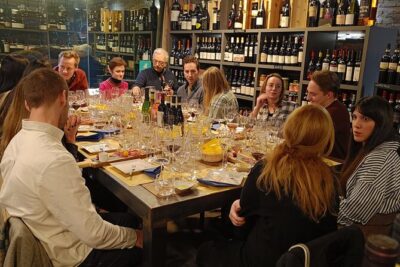
Taste of Lake Como: 4 Wines Paired with Local Cheese Charcuterie
Read our review →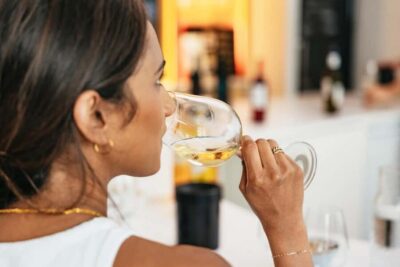
Wine Masterclass with Cheese and Charcuterie Board
Read our review →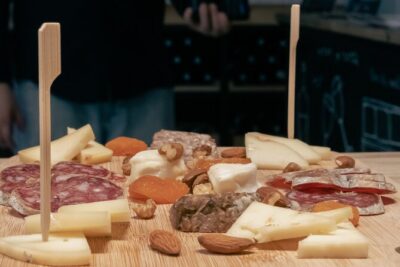
Introduction to Bordeaux wines paired with cheeses & charcuterie
Read our review →
Between the Lines Cheese and Charcuterie Picnic
Read our review →Browse the lists this tour appears in