
Reviewed · CHEESE AND CHARCUTERIE BOARDS
Tasting of Bordeaux red wines, wine and charcuterie pairings
Bordeaux wine makes more sense when you taste it side by side. This small session compares the firm, Cabernet-led reds of the Left Bank with the softer, fruitier Merlot wines of the Right Bank, then adds a mystery glass and a mature bottle to show how age changes wine.
I like the six-person limit, which gives you room to ask real questions. I also like the practical food pairings and the tasting booklet, since they help you remember what you learned after leaving the room. The main drawback is the short one-hour format: you get a smart introduction, not a full winery visit or a broad tour of Bordeaux’s vineyards.
Key points to know
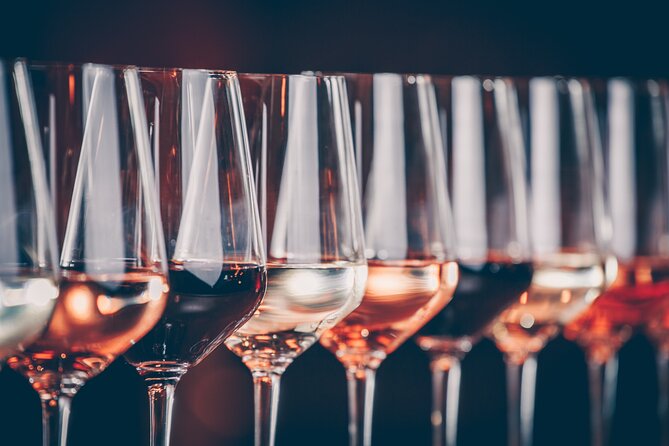
- Four Bordeaux reds in one hour: Taste different grape varieties, blends, estates, and stages of aging.
- Left Bank versus Right Bank: Learn why Cabernet Sauvignon often brings structure, while Merlot can feel softer and fruitier.
- A genuinely small group: No more than six people means plenty of time for questions and personal guidance.
- Charcuterie matched to the wine: Each pour comes with a delicatessen pairing chosen to suit its flavors.
- A central city alternative to a vineyard trip: You can study Bordeaux wine without leaving the city.
- A useful take-home booklet: Record impressions during the tasting and use the notes later when buying wine.
Why this Bordeaux tasting is worth your time
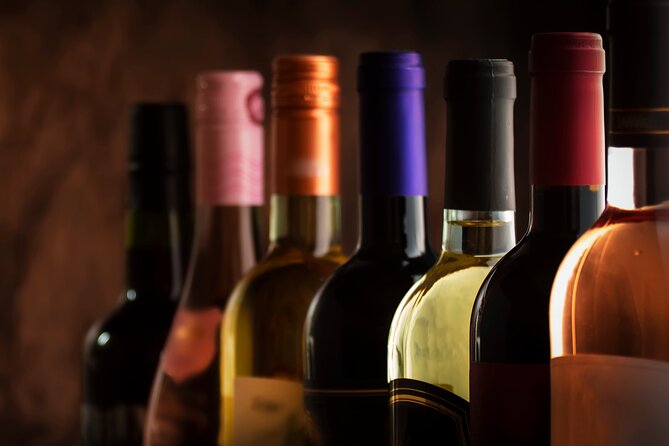
At $46.99 per person, this is not simply four glasses set in front of you. The value comes from the explanation between pours. Bordeaux labels can be hard to read, and its wines are often blends rather than simple examples of one grape. A good guide gives you a framework for making sense of them.
This session focuses on red wine, Bordeaux’s best-known strength, but the format can be adapted for people who prefer white wine. That flexibility matters if you are traveling with someone who does not usually choose reds.
The experience is also efficient. You spend about an hour tasting and learning instead of giving up most of a day for transport to a château. If your Bordeaux schedule is tight, this is a sensible way to add local wine knowledge without leaving the city.
The tradeoff is clear. You will not see vines, barrels, or a working estate. You will learn through glasses, maps and conversation rather than through a countryside excursion. For a first look at Bordeaux wine, that is often enough. For a serious wine trip, treat it as a starting point.
More Cheese and Charcuterie Boards in France
- Tasting of 6 Bordeaux wines and pairing charcuterie & cheese
★ 5.0 · 199 reviews - Bordeaux: Wine Masterclass with Cheese and Charcuterie Board
★ 4.9 · 184 reviews - Introduction to Bordeaux wines paired with cheeses & charcuterie
★ 5.0 · 175 reviews
Meeting at 25 Av. Thiers
The tasting begins at 25 Av. Thiers in Bordeaux and finishes at the same place. The location is near public transportation, so you do not need to plan a complicated transfer across the region.
A mobile ticket keeps arrival simple. Confirmation is provided when you book, and the experience is offered in English. The supplied information also notes that no Spanish classes are available from August 14 through August 24, so Spanish-speaking visitors should check language arrangements carefully for dates outside that period.
You may taste in a stone room, a private courtyard, or a cellar, depending on the season. That changing setting adds a little character, although the exact room is not something you can count on in advance.
Arrive ready to focus. One hour passes quickly, and the session is built around tasting rather than wandering around the neighborhood.
Four glasses, four ways to understand Bordeaux
The tasting uses four carefully chosen wines. They may come from family estates, organic producers, or Grand Cru properties, and the selection can include both single-variety wines and blends.
That range is more useful than four similar bottles. You get a chance to see how grape variety, place and winemaking decisions affect the result. One wine may feel firm and structured, another soft and fruity. One may show fresh fruit, while another reveals the savory notes that come with age.
The exact bottles can change, which is part of the point. This is not a fixed flight where you memorize four labels. It is a lesson in reading the glass in front of you.
The tasting also includes a mystery glass. That small challenge asks you to use your nose and palate before being told what you are drinking. You may not identify every grape or area correctly, but the exercise helps you pay attention to aroma, texture and finish instead of relying only on a label.
The final element is a mature wine. Older Bordeaux can show how fruit, tannin and oak develop over time. It gives the lesson a useful sense of progression, especially if you normally drink young wines.
Left Bank and Right Bank in plain language
The Left Bank and Right Bank are not just two points on a map. They often produce wines with different blends and personalities, though Bordeaux is too varied for rigid rules.
On the Left Bank, the session focuses on Cabernet Sauvignon-led reds from areas such as the Médoc. Cabernet Sauvignon commonly brings firmness, structure and tannin. That can make a young wine feel tight or serious, but it also helps the wine age.
On the Right Bank, Saint-Émilion provides the reference point. Merlot often plays a larger role there, giving wines a softer, rounder and fruitier feel. These broad contrasts are easier to understand when you taste them close together.
Your guide will also explain that Bordeaux wine is frequently a blend. The skill is not just identifying a grape. It is understanding how several grapes work together, and how soil, weather, cellar choices and time alter the final bottle.
This is one of the strongest reasons to choose the class. You leave with a way to compare wines, not just a list of French names that may be hard to recall later.
More Wine and Cheese Tastings in France
- Professional – Bordeaux Wine and Cheese Tasting with a walking tour
★ 5.0 · 218 reviews - Bordeaux Gourmet Experience: Cheese & Wine Tasting
★ 4.6 · 169 reviews - Bordeaux Wines Masterclass paired with cheeses & charcuterie
★ 5.0 · 110 reviews - Bordeaux Gourmet Experience : tasting of French cheeses & wines
★ 4.5 · 71 reviews
Learning with Mathilde, Cécilia, and the host team
Mathilde and Cécilia are listed as certified experts leading the sessions. Their approach is educational but personal, with room to adjust the conversation to your preferences and questions.
Cécilia is especially well suited to anyone who wants a clear explanation of Bordeaux areas, grape varieties, wine history and tasting technique. The session can include advice on how to train your nose and how to notice the way a wine changes with food.
Mathilde’s teaching style has also been described as friendly and practical. She explains how to recognize different grapes, identify a wine’s bouquet and understand the effect of aging. She may also offer useful suggestions for the rest of your time in Bordeaux.
Ilona has led some sessions as well, so the host is not guaranteed to be Mathilde or Cécilia. That is worth noting if you are booking because of a particular person. The consistent feature is the small-group, question-friendly format, not a promise of one named guide.
If you are new to wine, do not worry about having the right vocabulary. The useful part of the class is learning how to describe what you notice. A good answer can be as simple as fresh, dry, soft, firm, fruity or earthy.
Charcuterie that changes the tasting
Each wine comes with a delicatessen pairing selected to match its flavors. Food helps turn abstract tasting notes into something you can feel immediately.
A structured red may seem smoother with salty food, while a fruity wine can change when eaten alongside cured meat. The class shows how the same glass can seem different before and after a bite. That is practical knowledge for ordering wine with dinner later.
The supplied information describes the pairing as charcuterie. One session included meat but no cheese, despite the wording some people might expect from a general wine-and-charcuterie description. If cheese is important to you, ask before booking rather than assuming it will be served.
The portions are part of the tasting, not a full meal. If you need lunch or dinner, plan another stop.
What the one-hour schedule feels like
The experience is short enough to fit neatly into a morning or afternoon. You begin with an introduction to Bordeaux and the main differences between the Left Bank and Right Bank, then move through the four wines.
As the glasses arrive, the host explains the grape varieties, place of origin and winemaking choices. You taste, compare and ask questions. The mystery wine adds a little fun, while the mature bottle gives the session a lesson in time.
The final minutes are useful for reviewing what you have learned and filling in your booklet. You can also buy wines at the venue, although the information provided does not specify the full selection or shipping arrangements.
Do not expect a long social event. This is a compact class with a clear teaching goal. If you like a relaxed pace and lengthy conversation over several hours, the schedule may feel brisk. If you want a focused introduction before visiting restaurants or wine shops, the timing works well.
The tasting booklet is more useful than it sounds
Wine information disappears quickly when you are moving through a busy holiday. The booklet gives you a place to record the names, aromas and impressions that matter to you.
Use it to note which wines felt softer, which had more tannin and which worked best with the food. Write down grape varieties and areas rather than trying to remember every technical detail.
This is also helpful when you shop later. Instead of saying you liked a Bordeaux wine, you can recall that you preferred a fruitier Merlot-led style or a more structured Cabernet-based blend.
The booklet will not turn you into a wine expert overnight. It does give you a practical reference, which is a fair benefit at this price.
Who will get the most from it
I would recommend this for first-time Bordeaux visitors, curious wine drinkers and couples who want a shared activity in the city. It suits beginners because the host explains the basics without requiring prior knowledge.
It also works for experienced drinkers who want a focused comparison of Bordeaux styles. The mystery glass and older wine give regular tasters something to think about, while the small group leaves room for detailed questions.
It may be less suitable if you want to tour vineyards, see château architecture or spend a full day among the vines. You should also think twice if you dislike red wine, although the team can adapt the tasting for white wine preferences.
The experience is accessible to most people, and service animals are allowed. It is near public transportation, but the supplied details do not describe step-free access or specific facilities, so ask the provider if those points matter to you.
Booking, timing, and cancellation
The experience is often booked about 18 days ahead, which suggests that advance planning is sensible, especially for a particular date. With a maximum of six people, spaces are limited by design.
Free cancellation is available if you cancel at least 24 hours before the start time. Cancellations or changes made less than 24 hours ahead are not accepted for a refund, and the cut-off follows Bordeaux local time.
The activity ends where it starts, making it easy to pair with other plans. Just leave enough time afterward if you intend to buy wine or continue with dinner.
Should you book this Bordeaux wine tasting?
Book it if you want a compact, personal lesson that makes Bordeaux wine easier to understand. The strongest reasons are the tiny group, the clear Left Bank and Right Bank comparison, the mature wine, and the food pairings.
At $46.99, the price is reasonable when you value instruction and personal attention, not just the liquid in the glass. You are paying for four wines, matched charcuterie, an expert-led lesson and a booklet you can use later.
Skip it if your priority is a vineyard visit or a long rural day trip. This is a city tasting, but it is a useful one. For many visitors, it is the fastest way to stop treating Bordeaux labels as a puzzle and start choosing bottles with confidence.
FAQ
Where does the Bordeaux wine tasting begin?
It begins at 25 Av. Thiers, 33100 Bordeaux, France, and ends back at the same meeting point.
How long does the tasting last?
The tasting lasts about one hour.
How many people can join?
The maximum group size is six people.
How many wines will I taste?
You will taste four Bordeaux wines. The selection can include single-variety wines, blends, a mystery glass and a mature wine.
Is the experience offered in English?
Yes. English is one of the offered languages.
Is charcuterie included?
Yes. Each wine is served with a delicatessen pairing matched to its flavors. The supplied details do not promise cheese, so ask if that is important to you.
Can I cancel for a full refund?
Yes, if you cancel at least 24 hours before the experience starts. Cancellations or changes made less than 24 hours before the start time are not refunded.
More Wine and Cheese Tastings in Bordeaux
- Bordeaux Afternoon Food Tour : Sweets, Wine and Cheese
★ 5.0 · 38 reviews - Blind Tasting: 4 Bordeaux Natural Wine + Cheese experience
★ 4.8 · 35 reviews - Wine Masterclass & Cheese Tasting Workshop in Bordeaux
★ 5.0 · 29 reviews - Bordeaux wines : tasting with 4 white wines and cheeses
★ 5.0 · 24 reviews
More Cheese and Charcuterie Boards in Bordeaux
- Budapest: Wine, Cheese, and Charcuterie Tasting
★ 4.9 · 647 reviews - Hungarian Wine Tasting (with Cheese and Charcuterie) in Budapest
★ 5.0 · 531 reviews - Full-Day Group Wine Tour (with cheese and charcuterie) in Niagara-on-the-Lake
★ 5.0 · 349 reviews - Taste of Lake Como: 4 Wines Paired with Local Cheese Charcuterie
★ 5.0 · 197 reviews
New cheese trips in Bordeaux
- Wine Masterclass & Cheese Tasting Workshop in Bordeaux★ 5.0 · 2 reviews
- Wines and Cheeses: Learning to combine perfectly★ 4.5 · 7 reviews
- Tasting of Bordeaux White Wines Wine and Cheese Pairing★ 5.0 · 10 reviews
- Highlights of Bordeaux Walking Tour + Wine & Cheese Tasting★ 4.5 · 5 reviews
- Wine Masterclass & Cheese Tasting Workshop in Bordeaux★ 5.0 · 29 reviews
- Bordeaux Food Tour : Sweets, Cheese & Wine pairing workshop★ 5.0 · 8 reviews
- Bordeaux Gourmet Experience : tasting of French cheeses & wines★ 4.5 · 71 reviews
- Bordeaux Night Walk Ending with Delicious wine & cheese Tasting★ 5.0 · 10 reviews
Cheese and Charcuterie Boards, compared.
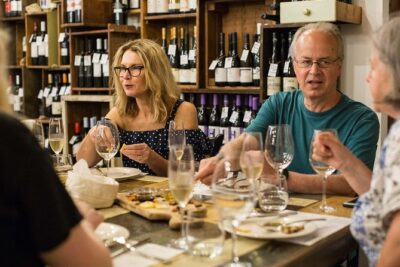
Hungarian Wine Tasting (with Cheese and Charcuterie) in Budapest
Read our review →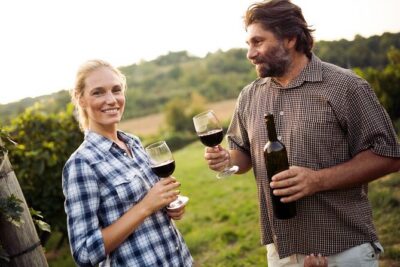
Full-Day Group Wine Tour (with cheese and charcuterie) in Niagara-on-the-Lake
Read our review →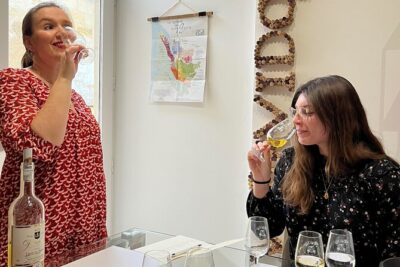
Tasting of 6 Bordeaux wines and pairing charcuterie & cheese
Read our review →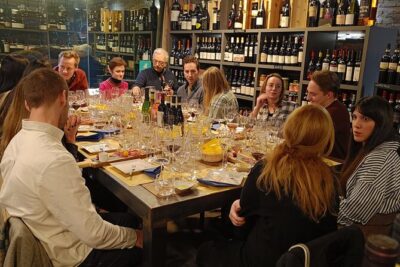
Taste of Lake Como: 4 Wines Paired with Local Cheese Charcuterie
Read our review →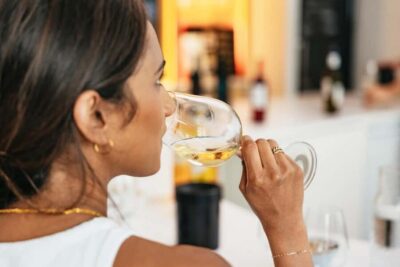
Wine Masterclass with Cheese and Charcuterie Board
Read our review →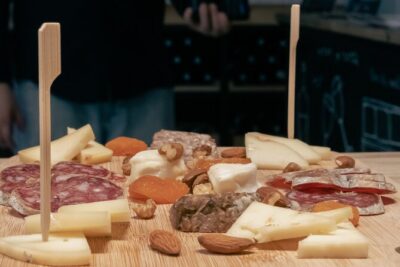
Introduction to Bordeaux wines paired with cheeses & charcuterie
Read our review →
Between the Lines Cheese and Charcuterie Picnic
Read our review →Browse the lists this tour appears in