
Reviewed · AMSTERDAM CHEESE TOURS
Amsterdam: Make your cheese next to De Hallen
Amsterdam’s De Kaasserie workshop turns two cartons of supermarket milk into two fresh cheeses. You learn the basic science, work with your own ingredients, and finish by tasting homemade fresh and pressed cheeses. It is a useful way to spend three hours if you want more than a standard canal cruise or museum visit.
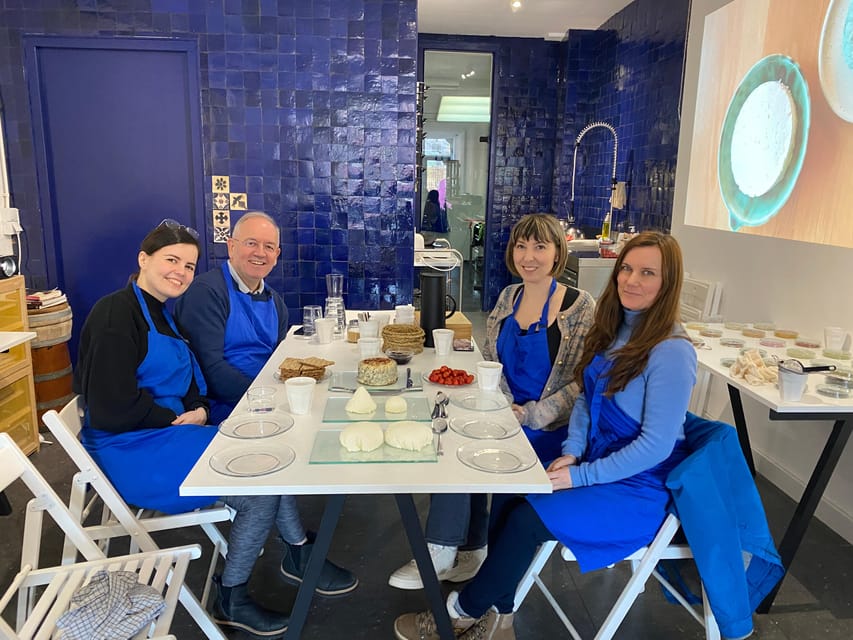
I especially like the small group of up to 10 and the practical take-home kit, which includes rennet, calcium, cheesecloth, and recipes. Paula sets the session up with a short introduction and asks everyone to introduce themselves, a simple touch that helps the class feel friendly without wasting time. The main consideration is the price, $135 per person, which is a serious charge for a three-hour workshop and may not suit anyone who simply wants a quick tasting.
Key points at a glance
- Two cheeses from two liters of milk: You make one acid-coagulated cheese and one rennet-coagulated cheese.
- A useful first step toward aged cheese: The rennet method is also used for aged cheese, though this class produces a fresh version.
- Personal touches at the worktable: You can experiment with herbs and spices in your cheeses.
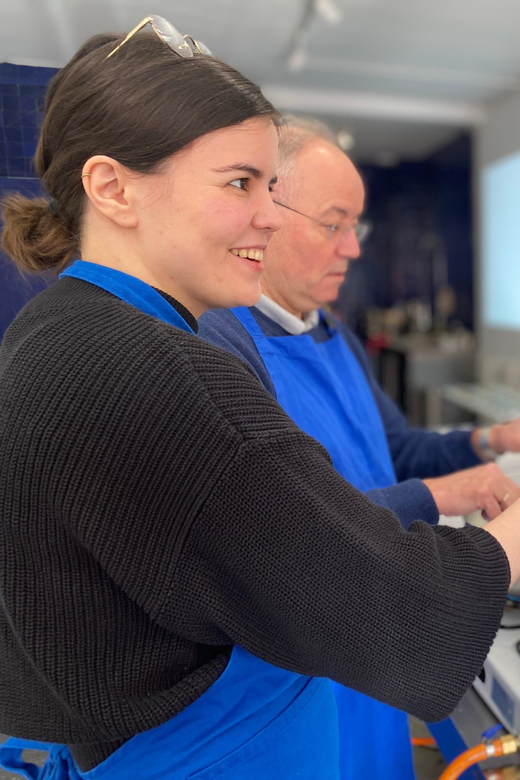
- A small, multilingual class: The instructor can teach in English, Spanish, French, or Dutch, with no more than 10 participants.
- Practical take-home supplies: You leave with two cheeses, cheesecloth, rennet, calcium, and recipes sent by email.
- A tasting closes the session: Homemade fresh and pressed cheeses give you a chance to compare styles made with different methods.
Turning supermarket milk into cheese near De Hallen
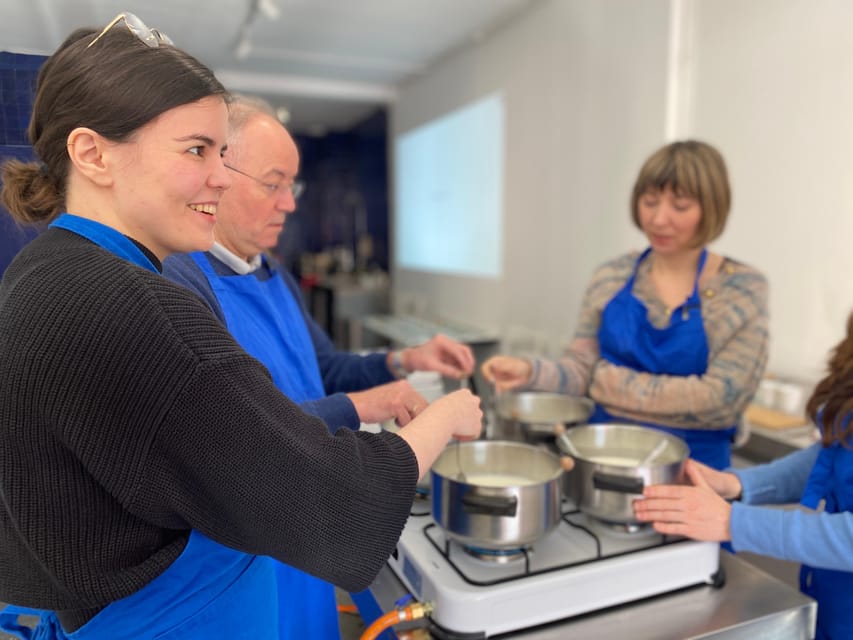
The best part of this experience is its directness. You do not just watch someone shape a wheel of cheese behind glass. You start with two liters of ordinary supermarket milk and use them to make two pieces of fresh cheese.
The workshop takes place at De Kaasserie, near De Hallen in Amsterdam. The exact meeting point can vary according to the option you book, so check your confirmation carefully before setting out. The location makes this easy to pair with time around De Hallen, but the workshop itself is the main event, not a brief add-on to a market visit.
The session lasts three hours. That gives enough time for an introduction, hands-on preparation, discussion of the two coagulation methods, and a tasting. It also means you should not book it between two tightly timed attractions. Cheese needs attention at its own pace, and a class like this works best when you have room to listen and take part.
The group limit of 10 matters here. Cheesemaking involves small actions, questions, and adjustments. In a large class, you might spend much of the session watching from the back. With a smaller group, you have a better chance to follow what is happening and ask about the ingredients in front of you.
More cheese tours worth booking in Amsterdam:
- Amsterdam Classic Saloon Boat Cruise with Drinks and Cheese
★ 5.0 · 31,825 reviews - Amsterdam: Classic Saloon Boat Cruise with Cheese & Wine
★ 4.6 · 27,035 reviews - Amsterdam: Guided Zaanse Schans, Windmills & Cheese Tour
★ 4.4 · 4,826 reviews
Paula’s introduction makes the science approachable
The workshop begins with tea and an introduction to De Kaasserie. Paula gives a short slide presentation and explains what you will make during the session. Everyone introduces themselves, which helps set a relaxed tone and gives the instructor a sense of the group.
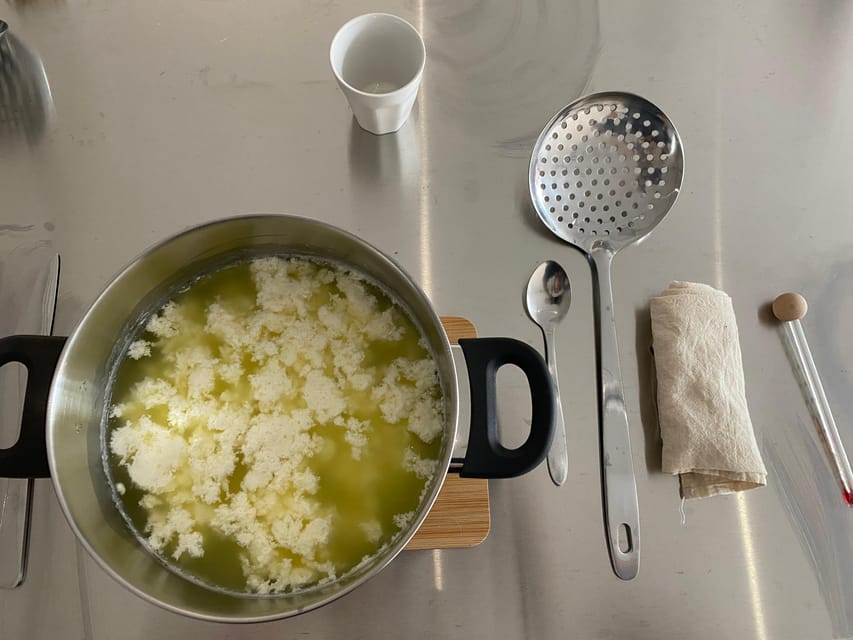
The heart of the introduction is the difference between acid coagulation and rennet coagulation. You learn that these are two basic ways to make milk solids separate and form cheese. The explanation is not just background material. It tells you why the two cheeses behave differently and why the same basic idea can lead to very different kinds of cheese.
Paula has been praised for making the session clear, helpful, and personable. That combination is important in a hands-on class. You need enough explanation to understand the process, but not so much technical language that the practical work becomes intimidating.
The session is offered in English, Spanish, French, or Dutch. That is useful if you are traveling with people who prefer one of those languages. Since the available language may depend on the scheduled option, check the booking details before you reserve.
Two liters of milk, two different methods
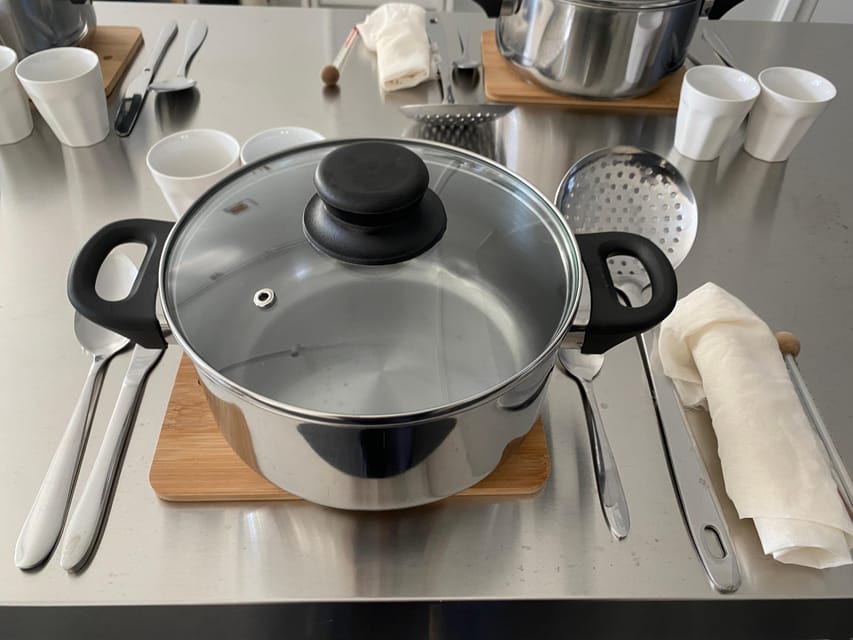
You use one liter of milk for each cheese. The first is made with acid coagulation. The second uses rennet, a method connected with the production of aged cheese.
At this level, the workshop gives you a clear beginning rather than pretending to teach every part of professional cheesemaking. Both cheeses are fresh, so you are not waiting weeks or months to see the result. You can take your finished pieces home at the end of the class.
The rennet portion is especially useful for anyone who wants to continue the craft. The class teaches the process with a fresh cheese, then points toward more involved recipes you can try later. That does not mean you leave ready to make every hard cheese in a traditional Dutch cheese cellar. It does mean you gain a starting point and the ingredients needed to repeat the method at home.
This is where the workshop has lasting value. A tasting alone is over when the plate is empty. Here, the method can continue in your own kitchen. The supplied rennet, calcium, cheesecloth, and emailed recipes give you a practical bridge from the class to future attempts.
Herbs and spices let you make the cheese your own
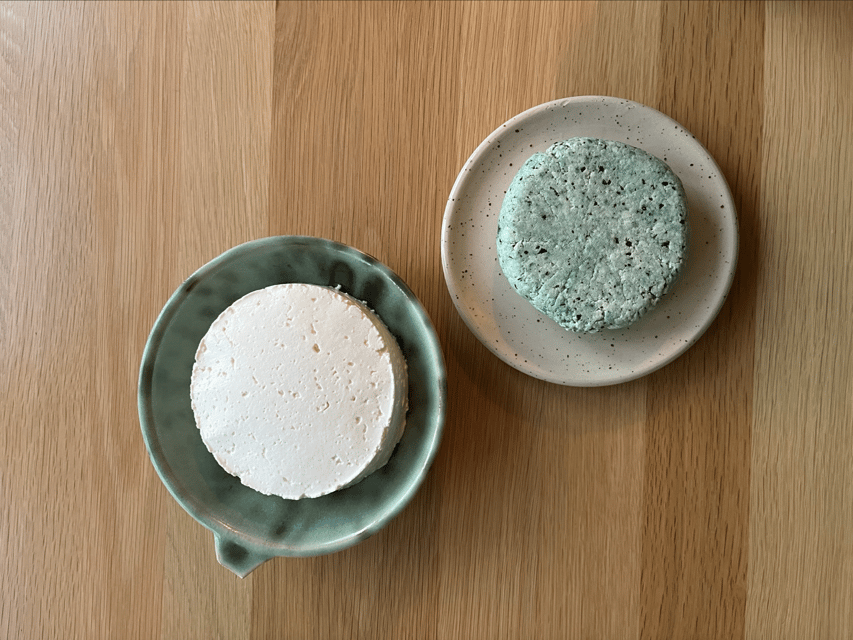
Once the basic preparations are underway, you can experiment with herbs and spices. This is a small part of the class, but it gives you some freedom within a guided process.
For a first cheesemaking session, that balance is helpful. You are not asked to invent a recipe from scratch, yet you are not simply following a fixed formula with no room for choice. Your additions can give the cheese a personal touch and help you think about how flavor changes the final result.
You should keep your expectations sensible. The workshop makes two fresh cheeses, not a large supply for a picnic or a fully aged wheel to bring home. The value is in learning the method and taking away something you made yourself.
I also like that the ingredients are ordinary enough to make the process feel possible. Starting with supermarket milk removes some of the mystery. You can see that cheesemaking is a craft requiring care and patience, but not necessarily rare ingredients or a professional dairy.
Same region, a different board:
- Zaanse Schans Windmills, Clogs and Dutch Cheese Small-Group Tour from Amsterdam
★ 4.5 · 2,369 reviews - From Amsterdam: Volendam and Zaanse Schans Tour with Cheese
★ 4.6 · 1,993 reviews - Amsterdam: Evening Candle Light Cruise With Wine & Cheese
★ 4.6 · 1,774 reviews - Countryside Bike Tour from Amsterdam: Cheese, Clogs & a Windmill
★ 5.0 · 1,485 reviews
The tasting shows what the process can produce
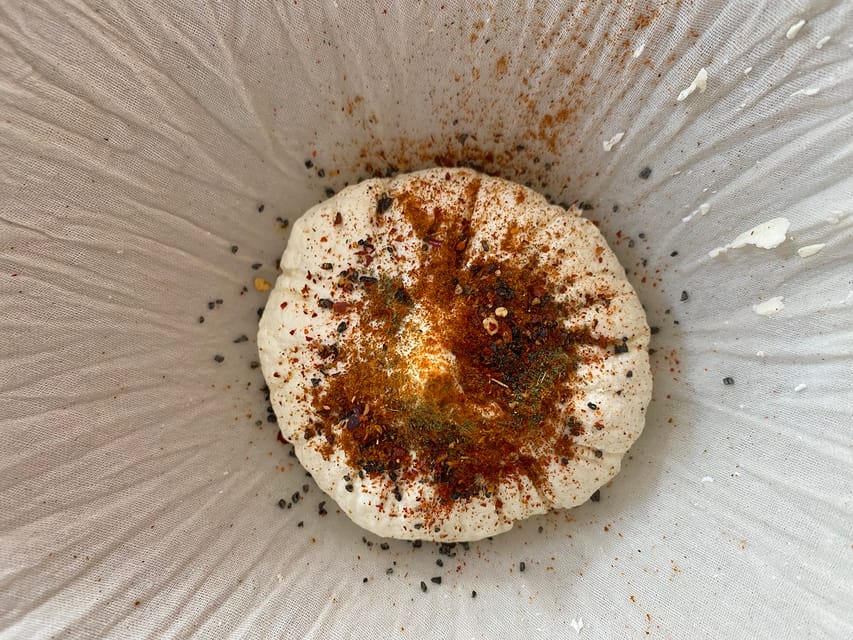
The final tasting includes homemade cheeses, including fresh and pressed styles. This gives you a chance to compare the kind of texture and flavor that different methods can create.
Tasting at the end also ties the class together. You first hear about coagulation, then make two cheeses, then taste examples that help put the lesson into context. It is easier to understand why technique matters when you can compare the results on a plate.
Tea with the introduction is included. Coffee and alcoholic drinks are not included, so do not expect the class to function as a wine-and-cheese pairing event. This is a craft workshop with food at its center, not a long social tasting built around drinks.
The tasting is also a good reason to pay attention during the preparation. You are not only making food to take home. You are learning to notice the differences between fresh and pressed cheese and to think about what you may want to try next.
What you take home is part of the value
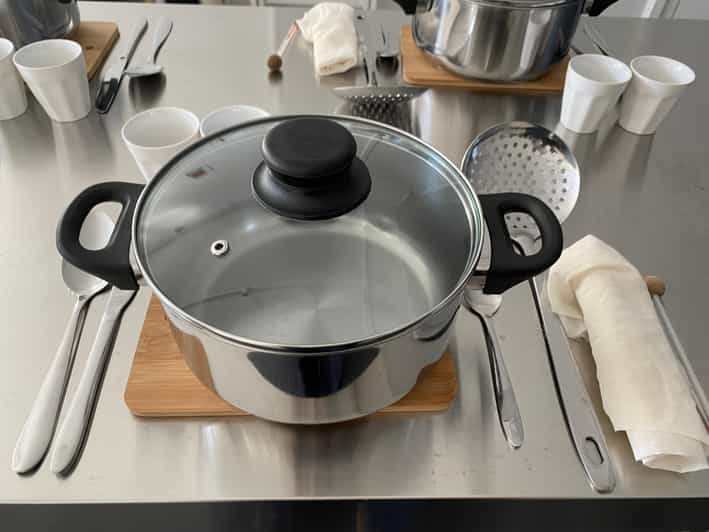
At the end, you take your two cheeses with you. You also receive cheesecloth, rennet, calcium, and the recipes by email.
That package changes how I would judge the $135 price. If you only count the amount of cheese you carry out, the cost is high. If you count a three-hour guided lesson, a small class, the tasting, the ingredients used during the workshop, and supplies for future attempts, the price makes more sense.
Still, it will not be good value for every visitor. If you are looking for the cheapest food activity in Amsterdam, a market visit or a simple tasting will cost less. This experience suits you better if you want instruction and a skill you can practice after your trip.
The recipes by email are particularly useful because you do not have to rely on memory. Cheesemaking involves several steps, and it is easy to forget a detail after a busy holiday. Having the instructions later gives you a fair chance to repeat the work at home.
Who will enjoy this Amsterdam workshop most
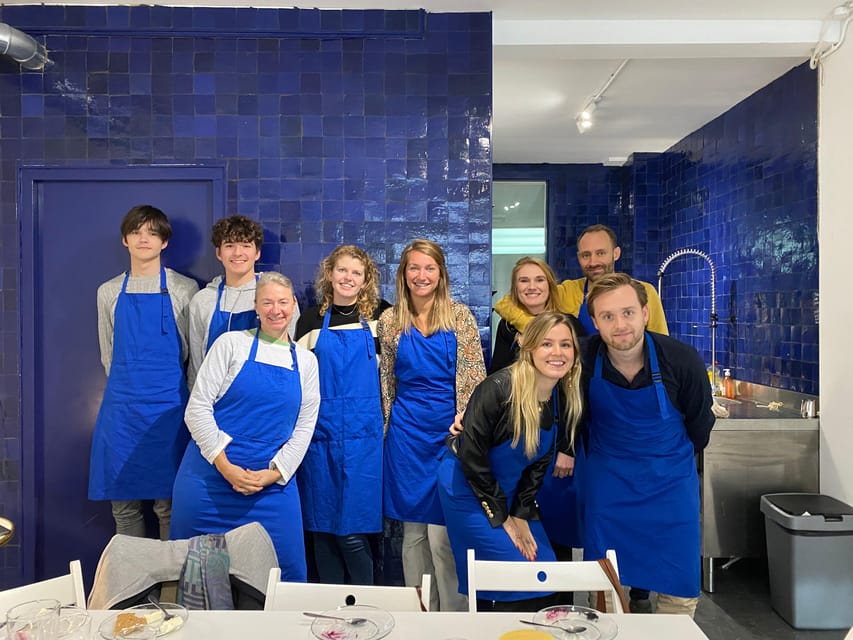
I would recommend this class to curious adults who like food, craft, and practical learning. It suits you if you enjoy asking how familiar things are made and prefer an activity where your hands are involved.
It is also a good choice for someone who has already taken a few food tours and wants something different. You still get to taste cheese, but the main point is participation rather than consumption.
The experience can work well for couples, friends, and solo visitors. The introduction includes personal introductions, and the small class size gives the session a social element without turning it into a large group event.
The minimum age is 16. Children younger than 16 cannot join, so this is not a family activity for younger children. It is also not suitable for people over 95 or for anyone with lactose intolerance. Those restrictions should be treated as firm planning points, not minor cautions.
You should also be comfortable with a class taught in one of the four listed languages: English, Spanish, French, or Dutch. The instructor language is a useful feature, but you should select the appropriate option when booking.
Practical planning for a three-hour class
Allow the full three hours. The workshop includes several stages, and rushing away early would cut into the part that makes the experience worthwhile.
The meeting point is De Kaasserie, though the exact point may change with the option booked. Confirm it before you leave for the session, especially if you are planning your day around De Hallen.
The workshop offers free cancellation up to 24 hours before the start time for a full refund. You can also reserve now and pay later, which helps if your Amsterdam schedule is still changing. These booking terms are useful, but they do not replace checking the start time and meeting point.
The class has a maximum of 10 participants. That is small enough to make early booking sensible during busy periods, though the activity page asks you to check availability for the actual start times. Plan your surrounding sightseeing with care, since the duration is fixed at three hours.
How the experience compares with a standard cheese tasting
A standard cheese tasting gives you more variety right away. You may sample several styles without having to wait for the preparation or follow instructions. If your main goal is to taste Dutch cheese, this workshop is probably more time and money than you need.
This class offers a different reward. You learn why milk becomes cheese, work through two methods, season your own portions, and leave with supplies. The tasting is the finish line, not the whole activity.
I also see value in the connection between the fresh rennet cheese and future aged cheese recipes. You are not learning an isolated trick. You are getting an introduction to a process that can become more ambitious with practice.
That said, the class remains an introduction. If you already make cheese at home or have professional training, you may find the basic material familiar. The session is aimed at giving beginners confidence and a workable first recipe, not at covering advanced aging, cellar management, or complex regional styles.
Is the $135 price justified?
At $135 per person, this is a premium workshop. I would not book it simply because cheese is popular in the Netherlands. The price needs to earn its place in your itinerary.
For the right person, it can. You receive instruction from Paula, work in a small group, make two cheeses, take part in a homemade cheese tasting, and leave with equipment and recipes. The experience also gives you a skill you can repeat, which is more useful than a souvenir that sits on a shelf.
For the wrong person, it will feel expensive. If you want a short, casual activity, if you do not eat dairy, or if you have no interest in trying the recipes later, the benefits are reduced. The take-home supplies matter most when you plan to use them.
The three available ratings are all five out of five, with praise directed at the friendly format, the clear presentation, Paula’s help, and the fun of making two types of cheese. That pattern matches the strongest reason to book: the workshop combines instruction with a relaxed, personal setting.
Should you book De Kaasserie’s cheese workshop?
Book it if you want an active food experience and like the idea of continuing the craft at home. The two methods, small group, multilingual instruction, and useful supplies give the class substance beyond a simple tasting.
Skip it if $135 feels too high for a three-hour activity, if you are seeking a larger cheese selection, or if you cannot eat lactose. I would also pass if your Amsterdam schedule is packed tightly around museums and timed visits.
For an adult who enjoys learning by doing, this is a memorable choice near De Hallen. You return home with two small cheeses, but the more lasting souvenir is the knowledge of how to start making your own.
FAQ
Where does the cheese-making workshop take place?
The meeting location is De Kaasserie near De Hallen in Amsterdam. The exact meeting point may vary depending on the option booked, so check the details for your selected option.
How long does the experience last?
The workshop lasts three hours. Check availability for the specific starting times.
How many people are in the group?
The group is limited to 10 participants, giving you a small-class setting for the practical work.
What languages are available?
The instructor can teach in English, Spanish, French, or Dutch.
What do I make during the workshop?
You use one liter of supermarket milk to make an acid-coagulated cheese and another liter to make a rennet-coagulated cheese. Both are fresh cheeses, and you can experiment with herbs and spices.
What can I take home?
You take home your two cheeses, a cheesecloth, rennet, calcium, and recipes sent by email. Tea and a homemade cheese tasting are included, but coffee and alcoholic drinks are not.
New cheese trips in Amsterdam
- Zaanse Schans & Volendam Private Tour: Windmills and Cheese★ 5.0 · 5 reviews
- Amsterdam: Zaanse Schans E-Bike Tour with Windmills & Cheese★ 4.5 · 12 reviews
- Admission to The Story of Edam Cheese Museum★ 4.0 · 9 reviews
- Private Guided Highlights of Holland Tour with Cheese Tasting★ 5.0 · 4 reviews
- Zaanse Schans Windmills, cheese and clogs and Volendam tour from Amsterdam★ 5.0 · 14 reviews
- Amsterdam: Experience Edam, a Cheese Tasting, and a Windmill★ 4.5 · 7 reviews
- Private Sightseeing Tour to Windmills Cheese Farm and Volendam★ 5.0 · 5 reviews
- Gouda, Witches & Cheese – Private Day Tour★ 5.0 · 15 reviews
Amsterdam Cheese Tours, compared.

Amsterdam Classic Saloon Boat Cruise with Drinks and Cheese
Read our review →
Classic Saloon Boat Cruise with Cheese & Wine
Read our review →
Guided Zaanse Schans, Windmills & Cheese Tour
Read our review →
Zaanse Schans Windmills, Clogs and Dutch Cheese Small-Group Tour from Amsterdam
Read our review →

Evening Candle Light Cruise With Wine & Cheese
Read our review →
Countryside Bike Tour from Amsterdam: Cheese, Clogs & a Windmill
Read our review →
Giethoorn Tour Scenic Cruise, Cheese & Free Time
Read our review →Browse the lists this tour appears in