
Reviewed · CHEESE AND CHARCUTERIE BOARDS
Château Petit Mangot’s aperitif: charcuterie, cheeses, and wines
Château Petit Mangot keeps the experience small and personal: you tour a family-run Saint-Émilion estate, learn how the wine is made, and finish with cheese and charcuterie on a private terrace above the vines. The 360-degree view of the rolling countryside gives the tasting a fine setting without turning it into a grand production.
I like the clear progression from vineyard to cellar to glass, and I like the chance to taste three red wines rather than just one. The platter is another strong point: French cheeses and cold cuts make the wine easier to understand and turn the final half hour into a relaxed aperitif.
The main limitation is the narrow audience. This is for adults who can eat dairy and cured meats, and the experience may feel too focused if you want a broad Bordeaux tasting or a large château with lavish interiors.
Key points at a glance
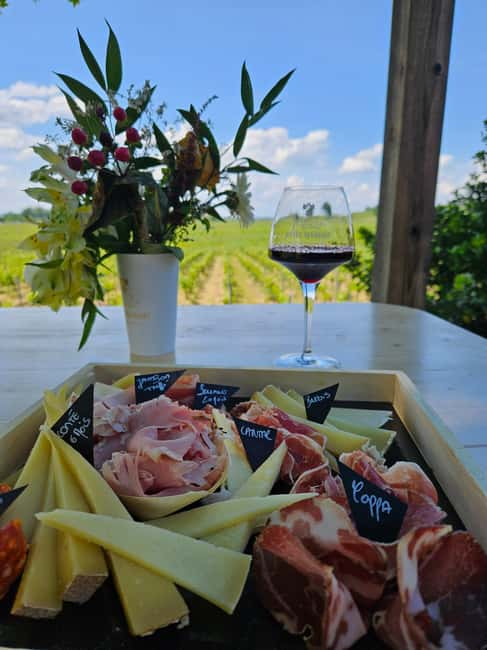
- A private terrace with a 360-degree view gives the closing tasting a memorable setting.
- Three red wines cover AOC Saint-Émilion and Saint-Émilion Grand Cru.
- The Décamps family vineyard gives you a direct look at a working small estate.
- The cellar visit explains production, so the tasting has useful context.
- French cheese and charcuterie are included, not an extra purchase.
- A private group and bilingual guide make it easier to ask questions at your own pace.
A small Saint-Émilion estate, not a grand wine factory
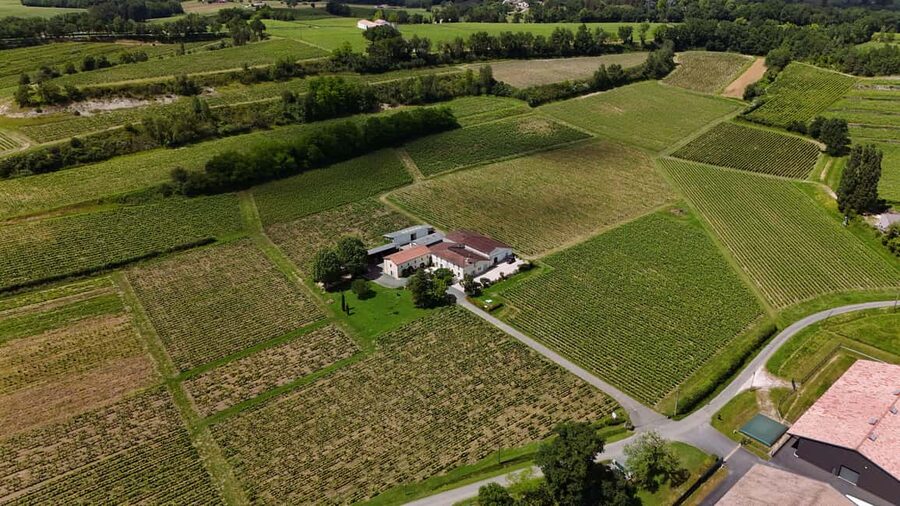
Château Petit Mangot offers a close look at the Saint-Émilion appellation in Nouvelle-Aquitaine. The estate belongs to the Décamps family, and the visit focuses on how this family property works rather than on a polished show built for crowds.
That distinction matters. Saint-Émilion is a famous name, but the label alone does not tell you much about the people, vines, or decisions behind a bottle. Here, you walk through the family vineyard, hear about the estate’s story, and then see how the red wine is made in the cellar.
I find this format useful for anyone who wants wine explained in a human scale. You are not simply handed a glass and told that it is special. The visit connects the vineyard, the cellar, the appellation, and the finished wine.
The experience lasts two hours. That is long enough for a proper introduction without swallowing an entire day in the Bordeaux countryside. It also leaves room for other plans around Saint-Émilion, though you will want to allow time for your own transport to and from the property.
More Cheese and Charcuterie Boards in France
- Tasting of 6 Bordeaux wines and pairing charcuterie & cheese
★ 5.0 · 199 reviews - Bordeaux: Wine Masterclass with Cheese and Charcuterie Board
★ 4.9 · 184 reviews - Introduction to Bordeaux wines paired with cheeses & charcuterie
★ 5.0 · 175 reviews
Walking the Décamps family vines
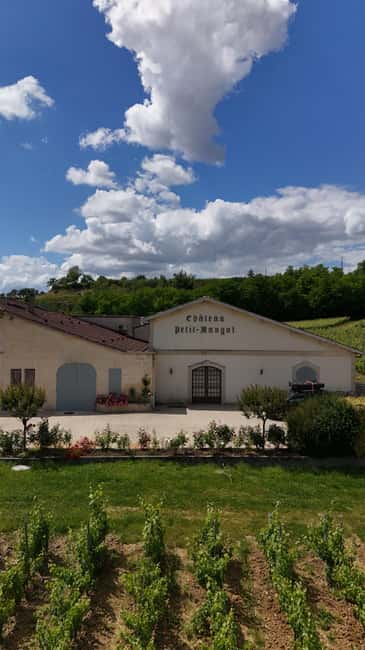
The visit begins with the vineyard and the history of the Décamps family. You learn about the estate as you walk among the vines, with the Saint-Émilion appellation providing the setting for the conversation.
This opening is more than a quick photo stop. It gives you a way to think about the wine before tasting it. The name Saint-Émilion Grand Cru is protected, and the tour explains what that appellation means and how its particular growing area affects the wine.
The supplied information does not promise a technical lecture on every grape variety or soil type, so you should not expect a full viticulture class. Instead, the value is in getting a grounded introduction to the property and its place within Saint-Émilion.
Ask questions as you go. The tour is private, and the guide speaks French and English, so you have a better chance to pause over anything you do not understand. That is especially helpful if wine terms in English or French are new to you.
The vineyard portion also helps you appreciate the difference between a famous appellation and one individual estate. Saint-Émilion may be the headline, but Château Petit Mangot is the particular producer you are visiting.
From vineyard rows to the cellar
After the vines, you visit the cellar to learn how the estate makes red wine. This part gives the outing a practical backbone. You see the connection between the work in the vineyard and what eventually reaches your glass.
The cellar visit is likely to appeal most to first-time wine visitors, since it explains the basic process without requiring specialist knowledge. You can expect the guide to discuss production at the estate and to show how the family turns grapes into Saint-Émilion wine.
I like this middle section because it prevents the tasting from feeling detached from the place. A wine can taste pleasant anywhere, but it means more when you have just seen the property and heard how its bottles are produced.
The experience does not list a barrel-room focus, a blending workshop, or a chance to make your own wine. If those are your main interests, you may want a more technical or hands-on format. Château Petit Mangot is better suited to a clear estate visit followed by a generous tasting.
Three Saint-Émilion reds in the glass
The tasting includes three red wines from the estate, with AOC Saint-Émilion and Saint-Émilion Grand Cru represented. This is a sensible lineup for understanding the property and the appellation.
Three wines give you enough range to compare without exhausting your palate. You can notice differences between the bottles and ask how each relates to the estate, the appellation, and the production choices explained in the cellar.
The information does not provide the exact vintages or bottle names, so those may vary. I would not book this expecting a fixed lineup of particular years. The reliable promise is three red wines, including wines from the Saint-Émilion and Saint-Émilion Grand Cru categories.
The tasting is also not presented as a broad tour of Bordeaux. You are concentrating on Château Petit Mangot and its wines. That focus is a plus if you want to understand one small producer, but less useful if your goal is to compare several unrelated châteaux.
One especially positive detail is the guide’s role. Emmanuel’s French-language account describes a guide who was attentive and had a very strong understanding of the estate and wine. Another booking was made only the day before, yet the guide, identified as Leah with an uncertain spelling, was ready to begin early. I would treat the name detail with care, but the practical point is clear: the hosting is personal and responsive.
More Wine and Cheese Tastings in France
- Paris: Montmartre Cheese, Wine & Pastry Guided Walking Tour
★ 4.8 · 2,255 reviews - Private Montmartre Food Tour with Wine, Cheese & Pastries
★ 5.0 · 1,027 reviews - Paris Le Marais Food Tour With 10+ Tastings, Cheese, Wine & More
★ 5.0 · 985 reviews - Paris: Wine and Cheese Lunch
★ 4.9 · 596 reviews
The private terrace and the final aperitif
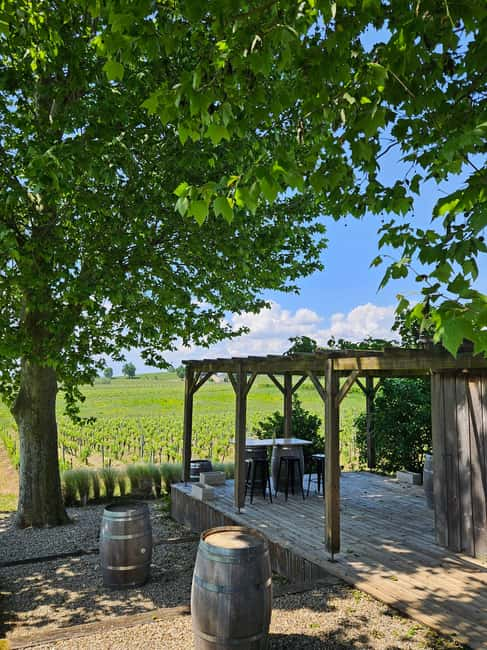
The closing part takes place on a private terrace with a 360-degree view over the vineyards and the rolling countryside around Saint-Émilion. This is where the visit shifts from instruction to pleasure.
The setting matters. After walking the vines and seeing the cellar, you are looking back across the same area while eating and drinking. The terrace gives you time to slow down, take in the view, and discuss the wines instead of rushing from one sample to the next.
The included platter brings together French cheeses and cold cuts. It is a proper accompaniment rather than a token snack, and it makes the tasting more satisfying. Cured meats and cheese also give you a simple way to notice how food changes the wine’s taste and texture.
The experience information says the platter is paired with a glass of wine, while the tasting itself includes three wines. Since the exact serving sequence is not specified, you should think of the offering as a three-wine tasting followed by a wine-paired aperitif, not as a guaranteed four-wine flight.
This is the part most likely to please people who want a social afternoon rather than a formal lesson. At the same time, the food is not suitable for everyone. People with food allergies or lactose intolerance should not book this activity, and the experience is not suitable for children under 18.
What the $31 price buys you
At $31 per person, the experience offers a strong bundle: a family estate visit, vineyard walk, cellar explanation, three red wines, a cheese and charcuterie platter, and access to a private terrace.
The value is best if you would otherwise pay separately for wine tasting and an aperitif. The food is part of the experience, and the private setting adds more than a standard counter tasting. You are paying for time with a small producer as well as for the wine in your glass.
It is also a good price for a two-hour activity in a major wine region, especially if you want a focused stop rather than a full-day wine route. The private-group format can make the cost feel even more worthwhile for couples, families of adults, or a small party who prefer direct conversation.
The value is less obvious if you do not enjoy red wine, cheese, or cured meat. This is not a general sightseeing tour with a few wine samples added. It is a food-and-wine experience built around Saint-Émilion reds.
Who will enjoy this most
I would choose Château Petit Mangot if you want a small-estate visit with a relaxed finish. It suits wine beginners because the tour explains the estate and production before asking you to judge what is in the glass.
It also works for experienced wine drinkers who prefer producer access over a large, highly staged château. The private group lets you shape the conversation, and the three-wine format gives you enough material for comparison.
Couples and adult groups should appreciate the terrace and platter. The activity has a leisurely social side, but it still gives you useful information about the Saint-Émilion and Saint-Émilion Grand Cru appellations.
I would be more cautious if you want extensive architecture, a large cellar complex, or a detailed study of many Bordeaux producers. None of those are promised. The appeal is the family estate, the direct guide contact, and the blend of learning with a good aperitif.
The activity is wheelchair accessible, which is important for many visitors planning a vineyard stop. Restrooms and parking are available. The meeting point is the reception desk inside the building, so look for that rather than assuming the tour begins among the vines.
You can reserve now and pay later, and cancellation is free up to 24 hours in advance for a full refund. Those terms are useful when you are arranging a wine-region itinerary with changing plans.
Should you book Château Petit Mangot?
Book this if you want two well-paced hours focused on one family estate, three Saint-Émilion reds, and a generous cheese and charcuterie finish. The private terrace and 360-degree view add a real sense of place, while the cellar visit keeps the outing from becoming only a scenic tasting.
I would especially recommend it to adults who enjoy red wine and want clear explanations in French or English. Skip it if you have food allergies, lactose intolerance, or little interest in cheese, cured meats, and Bordeaux wine. For the right audience, $31 buys a personal introduction to Saint-Émilion with a very pleasant table at the end.
FAQ
Where does the Château Petit Mangot experience take place?
It takes place at Château Petit Mangot in Nouvelle-Aquitaine, within the Saint-Émilion appellation area.
How long does the experience last?
The activity lasts two hours.
What wines are included?
You taste three red wines, including AOC Saint-Émilion and Saint-Émilion Grand Cru wines.
Is food included?
Yes. The experience includes an appetizer platter with French cheeses and charcuterie, paired with wine.
Where does the visit begin?
The entrance is at the reception desk of the building.
What languages are available?
The live guide speaks French and English. Some content may be presented in its original language.
Is the experience private?
Yes. It is offered as a private group activity.
Is the experience wheelchair accessible?
Yes, the activity is wheelchair accessible.
Can children attend?
No. The experience is not suitable for children under 18.
Can people with food allergies or lactose intolerance attend?
No. The activity is not suitable for people with food allergies or lactose intolerance.
New cheese trips in France
- Wine Masterclass & Cheese Tasting Workshop in Bordeaux★ 5.0 · 2 reviews
- Wine, Cheese and Charcuterie tasting★ 4.9 · 17 reviews
- Wine and Cheese experience★ 4.5 · 18 reviews
- Paris: Wine and Cheese Pairing★ 5.0 · 4 reviews
- Cheese food-tour through downtown Toulouse★ 4.5 · 7 reviews
- Wine and Cheese Tasting★ 4.5 · 17 reviews
- Paris Wine with Cheese Pairing & Tasting Small Group Class★ 5.0 · 6 reviews
- Paris Wine and Cheese Tastings Class near Le Marais★ 5.0 · 4 reviews
Cheese and Charcuterie Boards, compared.
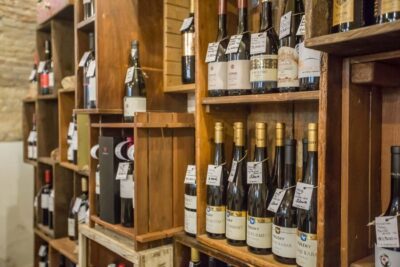
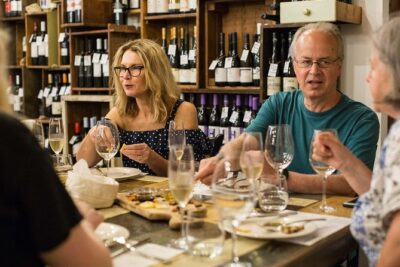
Hungarian Wine Tasting (with Cheese and Charcuterie) in Budapest
Read our review →
Full-Day Group Wine Tour (with cheese and charcuterie) in Niagara-on-the-Lake
Read our review →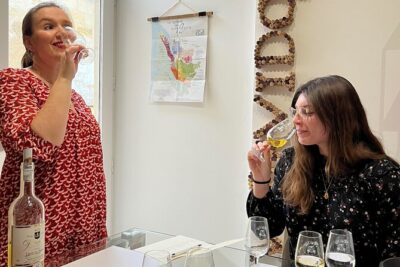
Tasting of 6 Bordeaux wines and pairing charcuterie & cheese
Read our review →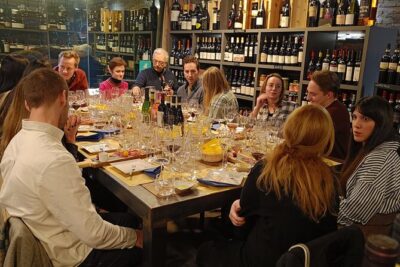
Taste of Lake Como: 4 Wines Paired with Local Cheese Charcuterie
Read our review →
Wine Masterclass with Cheese and Charcuterie Board
Read our review →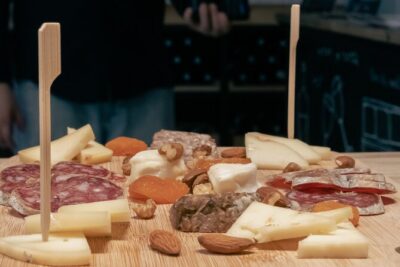
Introduction to Bordeaux wines paired with cheeses & charcuterie
Read our review →
Between the Lines Cheese and Charcuterie Picnic
Read our review →Browse the lists this tour appears in