
Reviewed · CHEESE AND CHARCUTERIE BOARDS
Visit and tasting of wines and cheese and charcuterie platter
At Domaine Specht, the tasting begins before the first glass. You walk through the working cellar, from the pressing hall to stainless steel vats and then into the older room lined with wooden tuns. I like that the tour connects the wine in your glass to the actual stages of production, and I like that the final tasting comes with a proper cheese and charcuterie platter, not a token snack.
The small-group limit of 15 people should keep the visit personal, and guides such as Orianne and Herr Specht have been praised for patient answers and clear explanations. The main point to consider is location: the meeting point is in Mittelwihr, not central Colmar, so you need to plan your way to 2 Rue des Églises.
Key points at a glance
- A working cellar tour: See the pressing hall, stainless steel vats, and historic wooden tuns in one compact visit.
- Wine-making explained simply: Learn about fermentation and the steps that turn Alsatian grapes into finished wine.
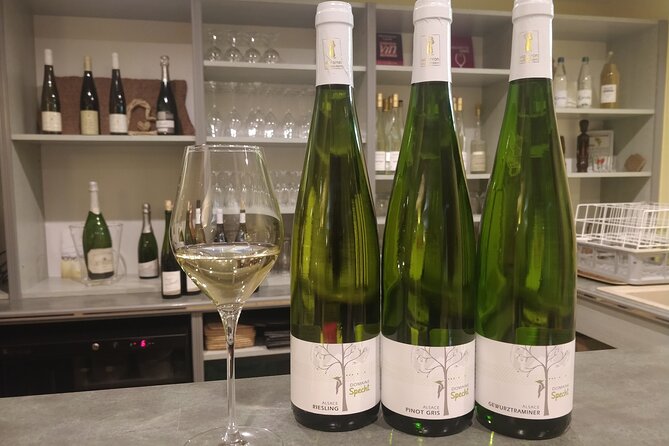
- A flexible tasting: You can taste a selection of estate wines, with Riesling, Gewurztraminer, and Pinot Noir among the varieties previously served.
- Real food with the wine: Cheese and charcuterie make this suitable for an aperitif or a light lunch.
- A small-group setting: The experience accepts no more than 15 people, which allows room for questions.
- Good value at $36.12: The price covers the cellar visit, wine tasting, and substantial local-style accompaniments.
Starting at the pressing hall in Mittelwihr
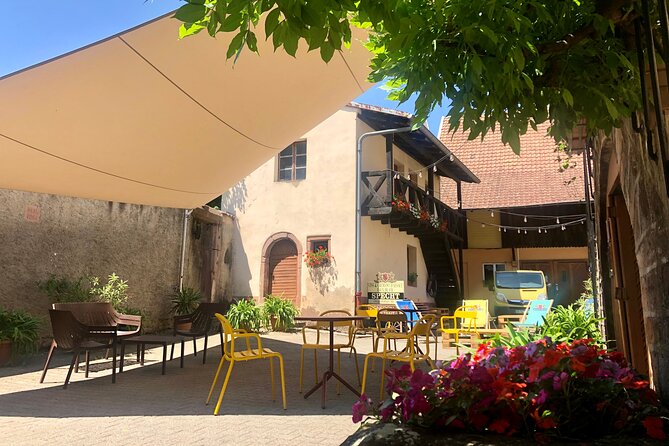
Your visit starts at Domaine Specht, at 2 Rue des Églises in Mittelwihr. The address matters because this is a village-based winery experience, not a tasting room in the middle of Colmar. If you are building a day around the Alsace wine route, the setting fits naturally. If you are staying in Colmar without a car, check your transport plans before booking, since no transfer service is included in the information provided.
The first stop is the pressing hall. This is a useful beginning because it shows where the process starts, before fermentation or aging changes the character of the wine. You are not simply handed a glass and asked to identify flavors. You first see the practical work behind it.
The pressing hall also gives the guide a clear way to explain how grapes become juice. The experience is not advertised as a full vineyard walk, so you should book it for cellar access and wine-making instruction rather than for views among the vines.
More Cheese and Charcuterie Boards in France
- Tasting of 6 Bordeaux wines and pairing charcuterie & cheese
★ 5.0 · 199 reviews - Bordeaux: Wine Masterclass with Cheese and Charcuterie Board
★ 4.9 · 184 reviews - Introduction to Bordeaux wines paired with cheeses & charcuterie
★ 5.0 · 175 reviews
Between stainless steel vats and wooden tuns
From the pressing hall, the tour moves among stainless steel vats. These modern vessels give the cellar a working, industrial feel, and they make the explanation of fermentation easier to follow. You can ask questions about the way wine develops after pressing, rather than trying to absorb technical information only during the tasting.
The tour then shifts to the historic part of the cellar, where wooden tuns are kept. This change in setting is one of the most interesting parts of the visit. In a short walk, you see both the modern equipment and the older storage tradition used at the estate.
I like this contrast because it gives you a sense of continuity without turning the visit into a museum tour. You see that wine-making includes both practical modern tools and older cellar methods. The exact technical detail will depend on your guide and your questions, but the visit is designed to explain fermentation and wine-making in accessible terms.
The group size helps here. With a maximum of 15 people, you have a fair chance to hear the explanation and ask about anything that catches your attention. Previous sessions led by Orianne and Herr Specht have been described as patient and informative, especially when people wanted to ask several questions.
Tasting Alsace in the cellar
The final part takes place in the tasting cellar. Here you move from production to comparison, tasting wines from the estate and considering how different grape varieties behave in the glass.
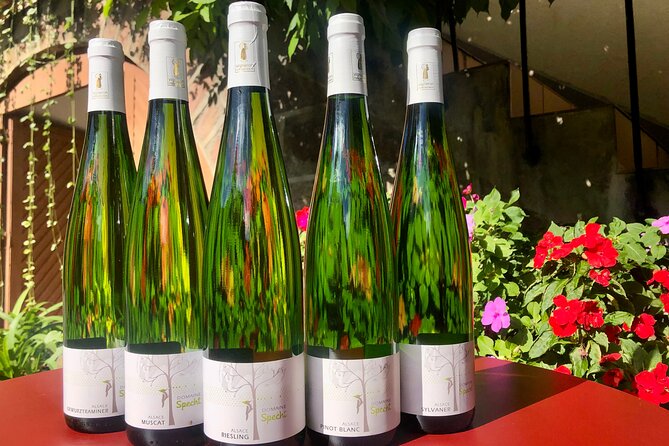
The wines previously tasted have included Riesling, Gewurztraminer, and Pinot Noir. That selection gives you a useful introduction to Alsace, where white wines are especially important but red wine still has a place. You may be able to choose which wines you taste, rather than following a rigid flight. That flexibility is a real advantage if you already know what you like or want to compare a few different styles.
Riesling is a natural choice if you prefer wines with a sharper, fresher character. Gewurztraminer offers a different direction, with a more aromatic profile. Pinot Noir gives the tasting a red wine option and prevents the experience from becoming only a lesson in white varieties.
You should not expect the tour to turn you into a professional taster in 90 minutes. Its value is more practical. You learn enough about the cellar and the wines to understand what you are drinking, then you have time to enjoy it without a formal classroom feel.
The wine quality has been one of the strongest parts of the experience. Every available rating is five stars, and the overall recommendation rate is 100 percent from 10 ratings. That is a small sample, so I would not treat it as a guarantee for every palate. Still, the consistent praise for the wines, the explanations, and the friendly service points to a well-run visit.
Why the cheese and charcuterie matter
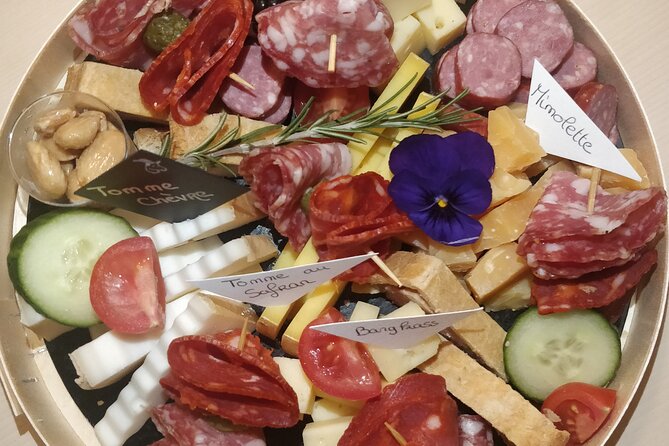
The food is more than decoration beside the glasses. The platter includes cheese and charcuterie, giving you salt, fat, texture, and stronger flavors to compare with the wine. It also turns the tasting into a social meal rather than a quick sip-and-spit stop.
This is especially useful if you schedule the visit around midday. The experience is described as suitable for an aperitif or a light lunch. I would not book it as a replacement for a large meal, but the platter should make the 90-minute session feel satisfying and complete.
The food also helps people who are less confident with wine. You can taste a wine on its own, then try it with cheese or cured meat. That simple comparison often makes the tasting easier to understand than technical descriptions alone.
The platter was praised as well matched to the occasion, and one anniversary visit found it perfect for the celebration. That makes this a sensible choice for a couple seeking something relaxed and special without committing to a long restaurant meal.
More Wine and Cheese Tastings in France
- Paris: Montmartre Cheese, Wine & Pastry Guided Walking Tour
★ 4.8 · 2,255 reviews - Private Montmartre Food Tour with Wine, Cheese & Pastries
★ 5.0 · 1,027 reviews - Paris Le Marais Food Tour With 10+ Tastings, Cheese, Wine & More
★ 5.0 · 985 reviews - Paris: Wine and Cheese Lunch
★ 4.9 · 596 reviews
A personal visit rather than a large wine show
The tone of this experience is personal. The small scale means you are not being moved through a crowded room on a strict production line. The guide can respond to questions, and you can spend more time on the wines that interest you.
That does not mean the visit is private. The maximum is 15 people, so you may share the cellar and tasting table with other participants. If you want a completely private appointment, the supplied details do not promise one.
The English option is important for international visitors. The experience is offered in English, and the strong praise for explanations suggests that the guide’s role is central to the visit. You may encounter Orianne or Herr Specht, names associated with warm, clear presentations, though the guide for your date is not specified in advance.
I particularly like the balance between instruction and choice. You learn how the estate works, then get some freedom in the tasting. That keeps the visit from feeling either too technical or too shallow.
What $36.12 gets you
At $36.12 per person, the price is fair if you want three things in one stop: a cellar tour, an explanation of wine-making, and a food-supported tasting. You are paying for an experience that lasts about an hour and a half, not just for a flight of wine.
The value is strongest for people who are curious about production. A basic tasting can be cheaper, but it will not usually show you the pressing hall, the stainless steel vats, and the wooden tuns. On the other hand, a visitor who only wants to buy a bottle may find the full visit more than necessary.
The cheese and charcuterie improve the value. They provide a light meal component and make the tasting easier to enjoy at a relaxed pace. If you are already planning to eat lunch elsewhere, you may prefer a shorter tasting, but this format can save you from arranging a separate snack.
The experience is often reserved about 25 days ahead. That suggests you should not leave it until the last minute if your dates are fixed, especially during a busy Alsace trip. A mobile ticket is provided, which makes the arrival process simple once you have planned your route to Mittelwihr.
Who will enjoy this visit most
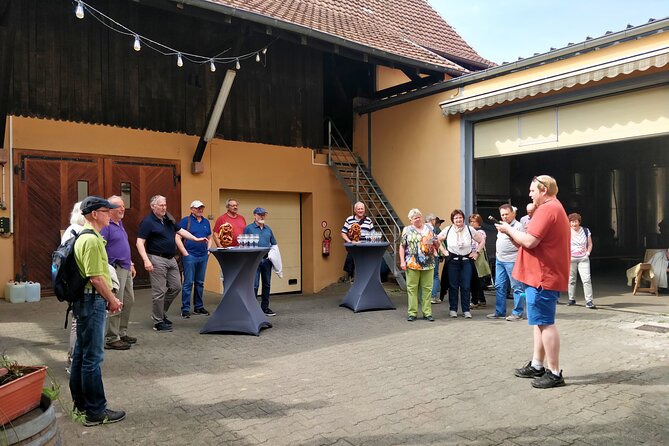
I would choose this for you if you want an introduction to Alsace wine without spending half a day at a winery. The 90-minute length fits neatly into a driving route through the wine villages or a day that includes other stops around Colmar.
It suits couples, small groups, and anyone who enjoys asking questions. The anniversary visit shows how well the format can work for a celebration, while the compact schedule keeps the occasion from becoming formal or tiring.
It also works for mixed groups. A serious wine drinker can ask about fermentation and aging, while a beginner can focus on the flavors and the food. The choice of wines makes it easier to find something approachable.
You may want to skip it if you are looking for a vineyard hike, a long food-focused lunch, or a large historical estate with many rooms to explore. The details support a focused cellar visit, not a full-day wine excursion.
Most people can participate, and service animals are allowed. The activity is in English. Those practical points make it easier for a mixed international group to book, though the information provided does not give details about every physical feature of the cellar.
Booking and cancellation details
You receive confirmation at the time of booking, and the mobile ticket is useful for keeping the meeting details on your phone. The activity ends back at the same meeting point, so you do not need to arrange a separate end location.
Free cancellation is available if you cancel at least 24 hours before the local start time. Cancellations made less than 24 hours ahead, along with late changes, are not refunded. Keep that cut-off in mind when planning around weather or transport.
Because the meeting point is fixed at Domaine Specht, allow enough time to reach Mittelwihr. The experience itself is short, but arriving late could reduce the time you have for the cellar and tasting.
Should you book Domaine Specht?
Book it if you want a friendly, compact introduction to Alsace wine with real cellar access and enough food to make the tasting feel like part of your day. The strongest reasons are the clear route through the pressing hall, vats, and wooden tuns, plus the chance to taste wines such as Riesling, Gewurztraminer, and Pinot Noir with cheese and charcuterie.
At $36.12, it offers good value for a 90-minute visit, especially if you would otherwise pay separately for a tasting and a light meal. I would be comfortable recommending it to couples, first-time wine visitors, and people who prefer a small group with room for questions.
Think twice only if you need central Colmar access, a substantial lunch, or a long vineyard outing. For an informative cellar visit with a relaxed tasting at the end, Domaine Specht is a sensible choice.
FAQ
Where does the wine and cheese tasting begin?
It begins at Domaine Specht, 2 Rue des Églises, 68630 Mittelwihr, France.
Where does the experience end?
The activity ends back at the meeting point in Mittelwihr.
How long does the experience last?
The visit and tasting last approximately 1 hour and 30 minutes.
Is the experience offered in English?
Yes. The experience is offered in English.
How many people can join the tour?
The activity has a maximum of 15 participants.
What wines might be included in the tasting?
The tasting can include estate wines such as Riesling, Gewurztraminer, and Pinot Noir. The available selection may vary.
Can I cancel for a full refund?
Yes. You can cancel for a full refund if you cancel at least 24 hours before the experience start time. Cancellations or changes made less than 24 hours in advance are not refunded.
New cheese trips in France
- Wine Masterclass & Cheese Tasting Workshop in Bordeaux★ 5.0 · 2 reviews
- Wine, Cheese and Charcuterie tasting★ 4.9 · 17 reviews
- Wine and Cheese experience★ 4.5 · 18 reviews
- Paris: Wine and Cheese Pairing★ 5.0 · 4 reviews
- Cheese food-tour through downtown Toulouse★ 4.5 · 7 reviews
- Wine and Cheese Tasting★ 4.5 · 17 reviews
- Paris Wine with Cheese Pairing & Tasting Small Group Class★ 5.0 · 6 reviews
- Paris Wine and Cheese Tastings Class near Le Marais★ 5.0 · 4 reviews
Cheese and Charcuterie Boards, compared.
Hungarian Wine Tasting (with Cheese and Charcuterie) in Budapest
Read our review →
Full-Day Group Wine Tour (with cheese and charcuterie) in Niagara-on-the-Lake
Read our review →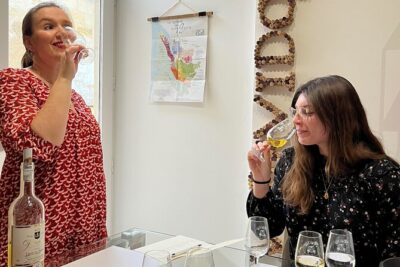
Tasting of 6 Bordeaux wines and pairing charcuterie & cheese
Read our review →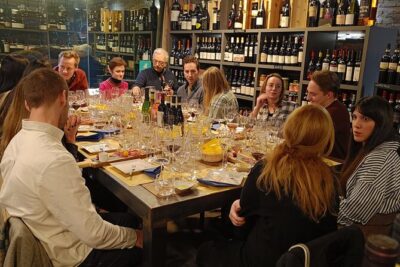
Taste of Lake Como: 4 Wines Paired with Local Cheese Charcuterie
Read our review →
Wine Masterclass with Cheese and Charcuterie Board
Read our review →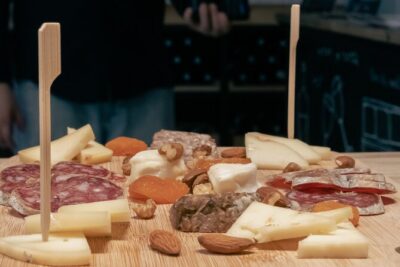
Introduction to Bordeaux wines paired with cheeses & charcuterie
Read our review →
Between the Lines Cheese and Charcuterie Picnic
Read our review →Browse the lists this tour appears in