Reviewed · MOZZARELLA AND BUFFALO CHEESE TOURS
Florence: Mozzarella Making Workshop with Wine Tasting
Fresh curds, warm hands, a cold glass of Prosecco, and a table full of Tuscan wine make this more than a cooking class. You’ll shape bocconcini, nodini, treccine, burrata, and stracciatella, then eat what you make instead of watching someone else do all the work.
I like the generous food and the relaxed family-kitchen mood. I also like that the class moves beyond mozzarella, giving you several cheese styles plus pairings such as stracciatella with bottarga and lemon zest. The main catch is simple: this is not for vegans or anyone with lactose intolerance, and two hours can pass quickly if you want a long, technical lesson.
What makes this Florence cheese class special
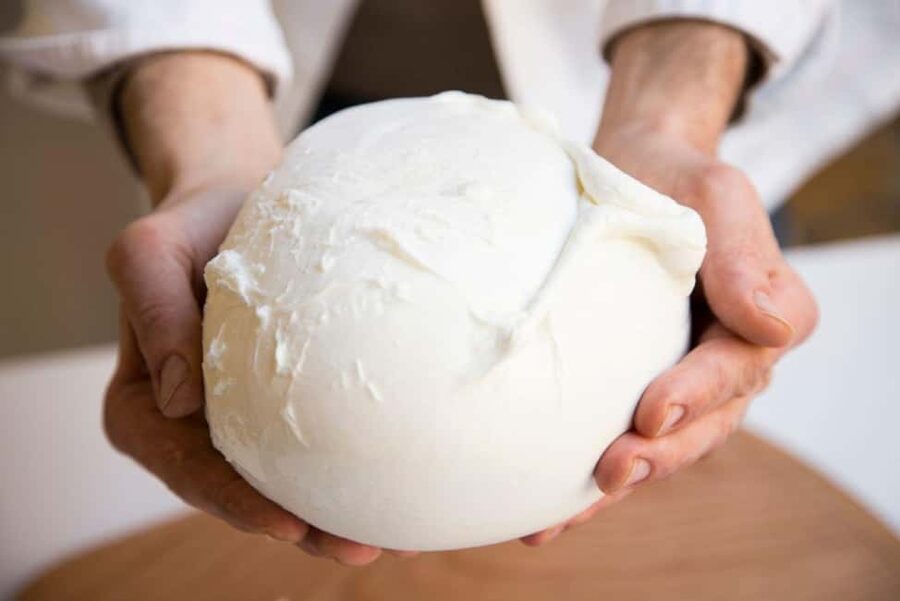
- You make several cheeses: Shape mozzarella, burrata, and stracciatella rather than learning only one recipe.
- You eat the results: Fresh cheese is served with seasonal dishes and Tuscan wines, including organic and conventional bottles.
- The teaching is hands-on: Instructors demonstrate each step, then help you work with the curds yourself.
- The mood is informal: Music, Prosecco, shared food, and a little kitchen disorder keep the class social.
- You get a recipe booklet: Take home a practical reminder of the techniques and ingredients.
- The price covers a full food experience: At $74, you receive instruction, cheese, wine, a seasonal meal, and the class materials.
Turning curds into mozzarella, burrata, and stracciatella
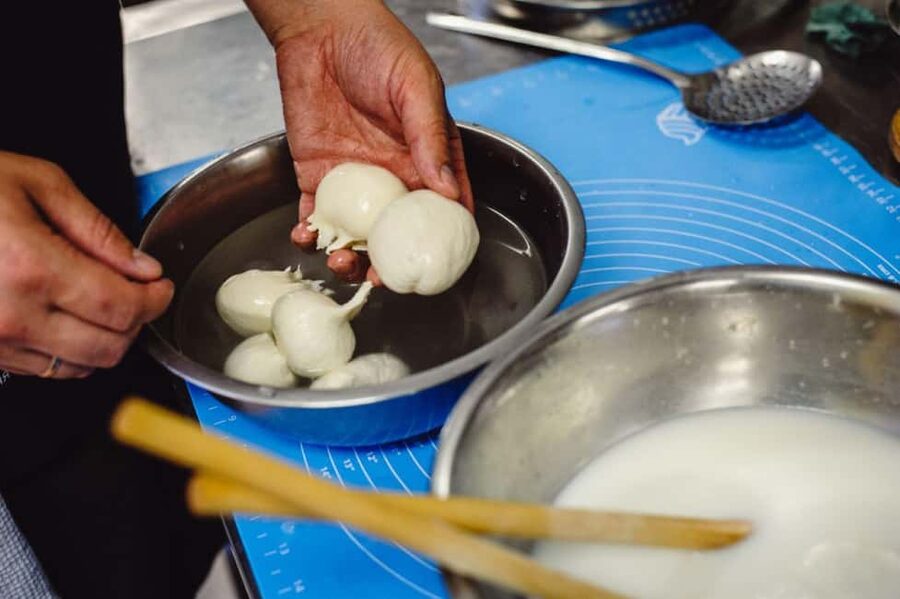
The heart of the experience is the cheese work. A master casaro, the Italian term for a cheesemaker, leads you through the process of taking fresh curds and turning them into familiar southern Italian cheeses.
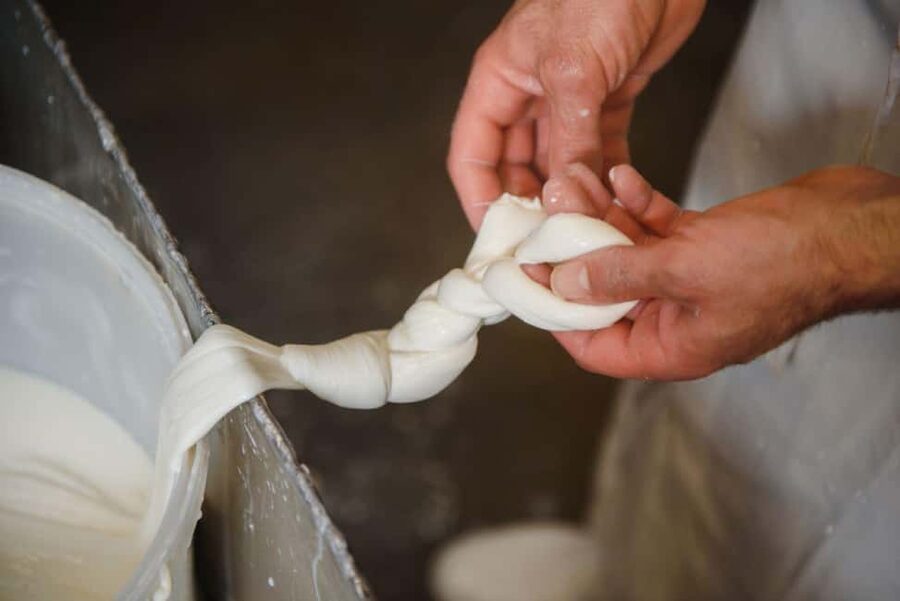
You start with mozzarella, learning how to work the curd into smooth, elastic pieces. The class includes several shapes, from small bocconcini to twisted nodini and braided treccine. These are not just pretty names on a menu. Each shape gives you a different way to handle the cheese and shows how much technique goes into something that may look simple on a plate.
Next comes burrata, the soft cheese with a mozzarella shell and creamy center. Stracciatella is the luxurious filling inside burrata, made from torn cheese mixed with cream. The class lets you prepare both, so you can understand the link between the cheeses instead of treating them as separate menu items.
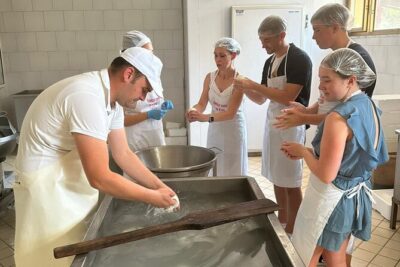
You will not be standing at the back of a room while a chef works alone. The format is hands-on, with the instructor first showing the process and then helping each person try it. Recent sessions have been led by teachers including Jess, Jessie, Alyssa, and Chef Vincenzo, with hosts such as Maria, Pepe, and Francesca also involved in creating a warm, social setting. The exact team can vary, but the teaching style is clearly built around personal help.
That matters for a food class. Cheese curds can be forgiving, but they can also become messy or uneven when you handle them for the first time. The small-group setup gives you a better chance to ask for help, fix a shape, and understand what your hands should be doing.
More Cheese Making Workshops in Italy
- Florence: Mozzarella Cheese Making with Wine and food Tastings
★ 5.0 · 37 reviews - Sorrento Half-Day Farm Experience: Pizza, Cheese Making and Wine
★ 5.0 · 17 reviews - Dolianova: visit and workshop in a cheese factory
★ 4.8 · 11 reviews
A welcome Prosecco sets the tone
The class begins with a glass of cold Prosecco. It is a small touch, but it tells you what kind of activity this is. You are here to learn, but not in a stiff classroom.
The atmosphere is cozy and music-filled, with the sort of friendly disorder that comes from several people handling warm cheese at once. You may leave with less-than-perfect braids, but that is part of the fun. The goal is to understand the method and enjoy the process, not produce a display case of identical cheeses.
I would arrive ready to participate. Wear something you do not mind getting a little food on, and keep your hands available for the practical work. Pets and smoking are not allowed.
The social side is a big part of the appeal for couples, friends, and families with older children. Children under eight cannot take part, but one family with two young children found the host especially welcoming and said both children had a wonderful time. The formal age rule still applies, so check that your children meet the minimum before booking.
Eating what you make, plus a seasonal meal
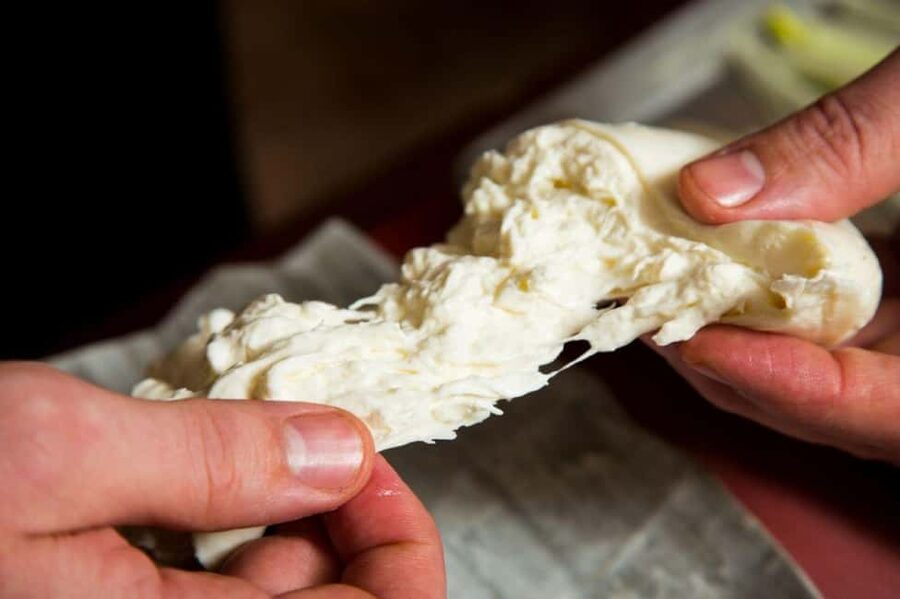
After the shaping comes the best part: eating the cheese. Your creations are served with selected Tuscan wines and creative seasonal dishes. The food may include combinations such as stracciatella with bottarga and lemon zest, along with deli-style foods and fresh products prepared by the kitchen.
Some sessions have included meatballs, caprese, truffle oil preparations, and other dishes from the day’s menu. The exact spread can change, since the experience includes seasonal food rather than one fixed plate. You should expect more than a token tasting.
This is one reason I would not book the class immediately after a large lunch. Go hungry. The cheese you make is only part of the meal, and the food and wine continue after the hands-on work ends. One participant even had enough cheese left to take back to an accommodation, though you should not count on leftovers being guaranteed.
The pairings also give the class more value than a basic demonstration. You taste the difference between newly made cheese and packaged mozzarella, then see how salt, citrus, cured fish, herbs, wine, and other ingredients change its character.
If you are vegetarian, the experience offers vegetarian-friendly options. Gluten-free choices are also available. You should still mention your needs when booking or on arrival, since seasonal dishes can vary. Vegans and people with lactose intolerance should skip this activity because dairy is the central ingredient.
Tuscan wines, including organic and conventional bottles
The wine tasting is guided rather than simply placed on the table. You try a selection of Tuscan wines and compare organic and conventional examples. That gives the tasting a bit of structure without turning it into a formal wine course.
You can sip, swirl, and decide which style you prefer while eating the cheese you just made. This is a useful pairing lesson because fresh mozzarella is mild, creamy, and lightly salty. Burrata and stracciatella are richer, so they respond differently to wine and food.
The experience does not promise a long winery lecture or a vineyard visit. That is worth noting if you are looking for a full wine tour. Here, the wine supports the workshop and meal. The focus remains on cheese, hospitality, and the pleasure of trying several combinations at one table.
The inclusion of both organic and conventional wines is a nice touch for curious drinkers. You can compare without being told that one choice is automatically better. I appreciate that practical approach. It leaves room for your own taste.
Because wine is served throughout the food portion, pace yourself. Two hours may sound short, but it includes instruction, hands-on shaping, eating, and tasting. The experience is compact and full, not a slow half-day food seminar.
More Wine and Cheese Tastings in Italy
- Florence Food Tour of 10+ Authentic Tastings with Cheeses & Wines
★ 5.0 · 155 reviews - Exclusive Emilia-Romagna,Parmigiano, Prosciutto, Balsamic, Wine
★ 5.0 · 38 reviews - Wine & cheese Lover’s Paradise in hart of Florence
★ 5.0 · 21 reviews - Emila-Romagna: Parmigiano, Prosciutto, Wine & Balsamic Tour
★ 4.9 · 18 reviews
The family-kitchen atmosphere
The strongest part of this class may be the hospitality. The setting at Simbiosi Farm is described as warm and personal, with several people working together to teach, cook, serve, and welcome the group.
That team approach helps the class feel less like a tourist production. Chef Vincenzo has been praised for his passion for the craft, while Jess has helped with stracciatella and led mozzarella instruction. Alyssa has guided cheese and wine sessions, and other hosts have added the personal touch that makes the meal feel generous.
I would not assume that a particular instructor will lead your booking. Names can change by date, but the repeated pattern is clear: the staff aims to explain the traditions behind the cheese, not just hand you a recipe.
The music and casual mood also matter. If you want silence and exact measurements, this may feel loose. If you want to laugh, work with your hands, and eat at the end, the informality is a strength.
The class is conducted in English or Italian. English-speaking instruction is available, which makes the techniques easier to follow for many international visitors. Still, food preparation can move quickly, so stay close to the demonstration and ask questions as you work.
Is $74 a fair price?
At $74 per person, this is not the cheapest way to eat mozzarella in Florence. You can buy a ball of cheese for much less. But that comparison misses what you are paying for.
The fee includes a two-hour small-group lesson with a professional chef, a welcome Prosecco, several hands-on cheese preparations, a seasonal meal, Tuscan wine pairings, and a recipe booklet. You also get the social value of a shared activity and the chance to make something with your own hands.
I consider it good value for anyone who wants a food experience rather than a simple tasting. The meal and wine help justify the price, especially if the portions are as generous as the sessions described. You are not paying only for a demonstration.
The value is weaker if you do not drink wine, dislike dairy, or mainly want a detailed cheesemaking course to repeat at home. You will receive recipes, but the class is also built around eating, conversation, and atmosphere. It is best seen as a culinary outing with instruction, not a professional certification lesson.
Compared with a standard cooking class, this one has a clear local identity. Mozzarella, burrata, and stracciatella are familiar worldwide, but tasting them immediately after making them gives you a better sense of texture and freshness.
Timing, meeting point, and planning details
The activity lasts two hours. Starting times vary, so check the available slot before you book. Meet the chef in front of Simbiosi Farm, and allow enough time to reach the meeting point without rushing.
The supplied information does not give a detailed transport plan or a precise neighborhood description, so do not assume that the meeting point is beside your hotel or a major Florence landmark. Put Simbiosi Farm into your map before leaving and confirm the directions shown with your booking details.
The class is small-group, which is important here. Cheese shaping works better when the instructor can see what you are doing and give you a quick correction. A large class would make the hands-on part less personal.
You can cancel up to 24 hours in advance for a full refund, and the reserve-now, pay-later option lets you hold a place without paying immediately. Those policies are useful when your Florence schedule is still changing, but you should still check the exact booking conditions for your date.
Who will enjoy it most
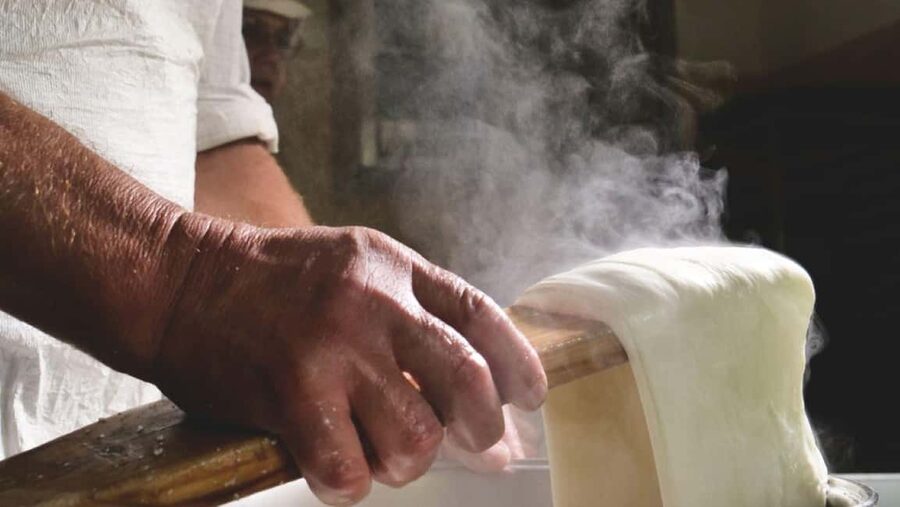
I would recommend this to food-focused visitors who want a break from museums and churches. It works especially well for couples, small groups of friends, and families with children aged eight or older.
It is also a good choice for anyone who likes practical souvenirs. A photograph of a meal fades quickly, but a recipe booklet can help you recreate part of the class at home. The results may not be identical if your local milk, curds, or equipment differ, but the basic ideas will travel well.
The experience suits curious beginners. You do not need to arrive with cheesemaking skills, and the instructors demonstrate the steps before you try them. If you are already a serious cheesemaker, the class may feel introductory rather than technical.
I would skip it if you want a quiet tasting, a vineyard excursion, or a strict cooking lesson with exact timing. I would also skip it if you have dietary restrictions that make dairy or gluten a problem and cannot confirm a suitable menu in advance.
Should you book this mozzarella workshop?
Book it if you want a friendly, hands-on meal where the food is both the lesson and the reward. The combination of fresh mozzarella, burrata, stracciatella, Tuscan wine, Prosecco, and seasonal dishes gives the two hours plenty to do.
The biggest reasons to choose it are the personal instruction, the chance to shape several cheeses, and the generous food and wine that follow. Go hungry, expect some delicious mess, and think of the class as an Italian kitchen experience rather than a polished cooking demonstration.
At $74, it is a sensible splurge for cheese lovers and food-minded families. Skip it only if you need a dairy-free activity, want a full-day technical course, or prefer to keep your Florence schedule focused on major sights.
FAQ
How long does the mozzarella-making workshop last?
The workshop lasts two hours. The experience includes the cheese lesson, tasting your creations, seasonal dishes, and a guided selection of Tuscan wines.
Where do I meet the chef?
Meet the chef in front of Simbiosi Farm. Check the available starting time and map the meeting point before setting out.
Which cheeses will I make?
You will make mozzarella, burrata, and stracciatella. The mozzarella portion includes shapes such as bocconcini, nodini, and treccine.
Is the workshop available in English?
Yes. The instructors speak English and Italian, and a professional English-speaking chef is included.
Is the experience suitable for children?
Children under eight are not permitted. Children aged eight or older may take part, subject to the activity rules.
Can people with dietary restrictions attend?
Vegetarian and gluten-free options are available. The activity is not suitable for vegans or people with lactose intolerance because dairy cheese is the focus.
More Cheese Making Workshops in Florence
- Paris Cheesemaking Workshop including Wine and Cheese Tasting with an Expert
★ 5.0 · 141 reviews - Dijon: Cheese and Burgundy Wine Tasting Workshop
★ 4.8 · 122 reviews - Fuerteventura: Artisan Goat’s Cheese Making at Local Farm
★ 4.9 · 112 reviews - Troodos Mountains Halloumi Making: All Inclusive Workshop & Tour
★ 5.0 · 109 reviews
More mozzarella and buffalo dairies in Florence
- Cooking class with Pasta, mozzarella and Tiramisu with wine
★ 5.0 · 549 reviews - Amalfi: Make Fresh Pasta, Mozzarella & Tiramisù with wine
★ 5.0 · 503 reviews - Amalfi: Prepare fresh pasta, mozzarella and tiramisu
★ 5.0 · 315 reviews - Amalfi: Make Fresh Pasta, Mozzarella, & Tiramisù with Wine
★ 5.0 · 305 reviews
New cheese trips in Florence
- Wine Tasting with Cured Meats & Cheeses in Florence★ 5.0 · 2 reviews
- Wines, Cheeses & Bruschettas Tasting in Chianti (Tour at the Winery included)★ 5.0 · 13 reviews
- Wine & cheese Lover’s Paradise in hart of Florence★ 5.0 · 21 reviews
- Journey through Italian Cheese★ 5.0 · 5 reviews
- Tuscany Private Tour with Wine and Cheese Tasting from Florence★ 4.5 · 17 reviews
- Florence Private Food Tour of 10+Tastings with Cheeses & Wines★ 5.0 · 15 reviews
- Semi Private tasting and Cheese-making Class in Florence★ 5.0 · 8 reviews
- 4 Wines Tasting with 2 Tuscan Cheeses & Tour at the winery★ 5.0 · 11 reviews
Mozzarella and Buffalo Cheese Tours, compared.
Cooking class with Pasta, mozzarella and Tiramisu with wine
Read our review →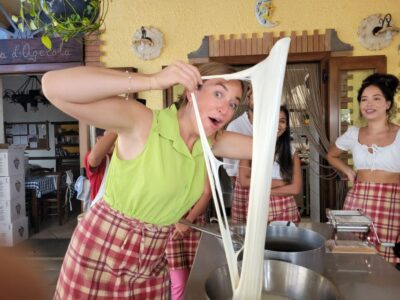
Make Fresh Pasta, Mozzarella & Tiramisù with wine
Read our review →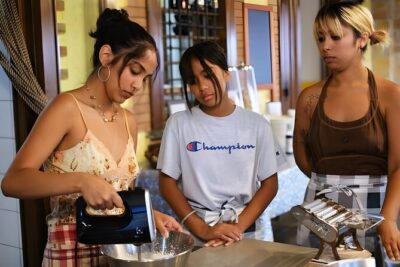
Make Fresh Pasta, Mozzarella, & Tiramisù with Wine
Read our review →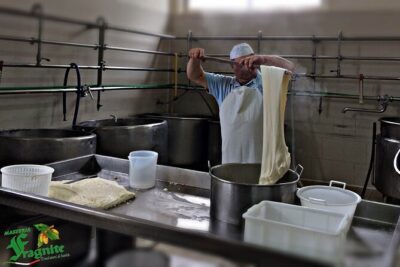
Mozzarella Experience – Cheese Tour and tastings to Masseria Fragnite
Read our review →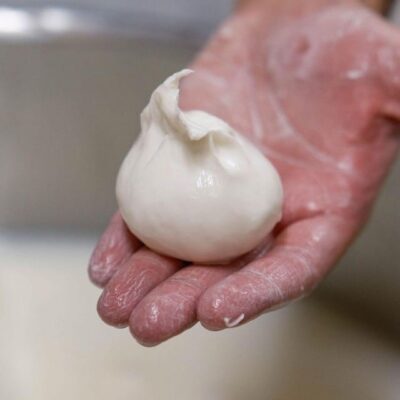
Masseria Seppunisi Tour, Cheese, Burrata Tasting
Read our review →