
Reviewed · CHEESE MAKING WORKSHOPS
Troodos Mountains Halloumi Making: All Inclusive Workshop & Tour
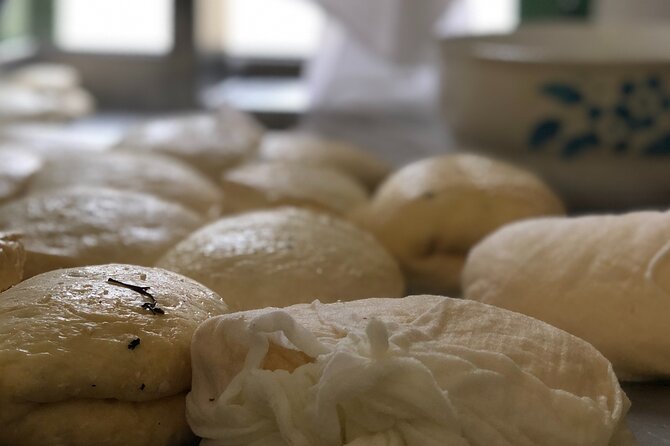
The best part of this Paphos day trip is getting your hands into the halloumi-making process rather than simply watching a demonstration. In a village home in Axylou, you help turn milk into halloumi and anari, then sit down to eat the results with breads, cheeses, jams, and other Cypriot foods. I like the small group size and the way the day connects food with real village life.
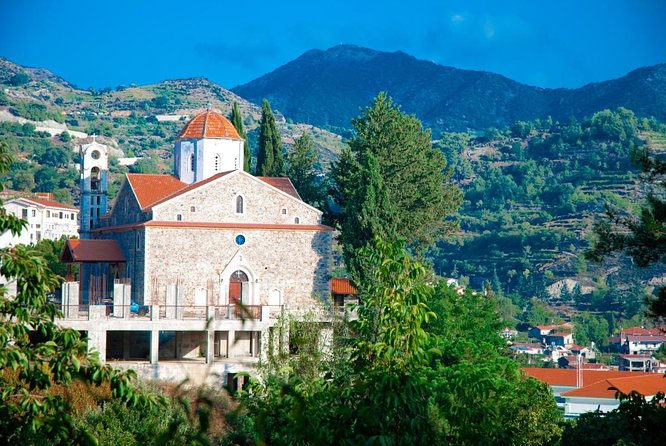
I also like that the tour keeps moving beyond the workshop. You may visit local makers of carob honey, wine, olive oil, jams, or traditional sweets, then stop at Chrysoroyiatissa Monastery and finish with loukoumi in Geroskipou. The main consideration is that the route is seasonal and flexible, so the exact producers and timing can change, and this is not a visit to Troodos Square.
Key points to know
- Hands-on cheese making: Help prepare halloumi and anari in Axylou, then eat the fresh cheese at a generous brunch.
- Small-group transport: Door-to-door pickup from most Paphos hotels, apartments, landmarks, and even the airport, with a stated maximum of six people.
- Food and wine included: Expect snacks, tastings, Cyprus coffee, tea, homemade lemonade, bottled water, brunch, and wine.
- Guides who shape the day: Christina, Myra, and Elena have led highly praised departures, with a focus on Cypriot food, wine, history, and local life.
- More than a cooking class: The route can include village producers, a mountain monastery, scenic drives, and a traditional sweet maker.
- Plan around a full day: The tour starts around 9:00 a.m. and lasts about seven hours, with timings that can shift.
Why halloumi is the right way to meet Cyprus
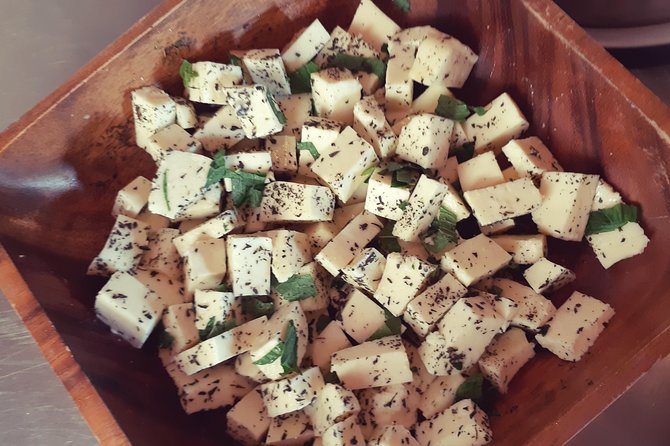
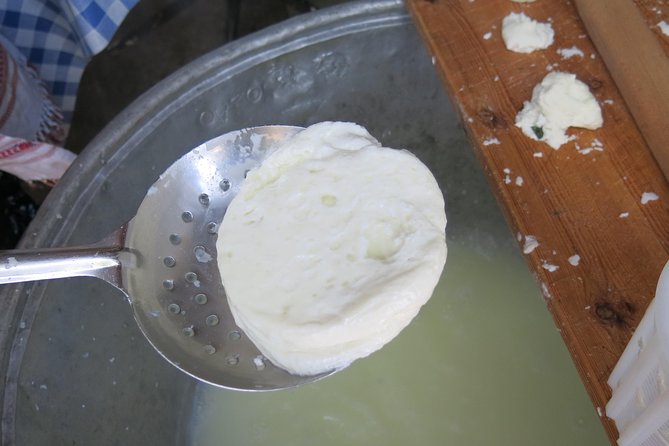
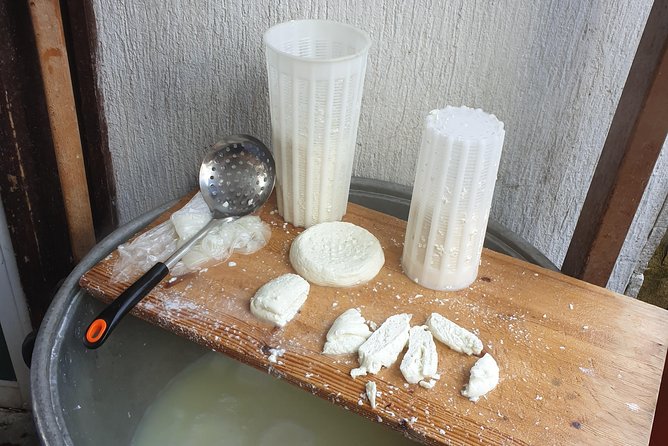
Halloumi is not just a snack to order beside a salad. It is one of the foods most closely tied to everyday Cyprus, and making it gives you a practical look at how village food traditions work. The workshop also covers anari, a softer cheese made during the same process, so you see more than one finished product.
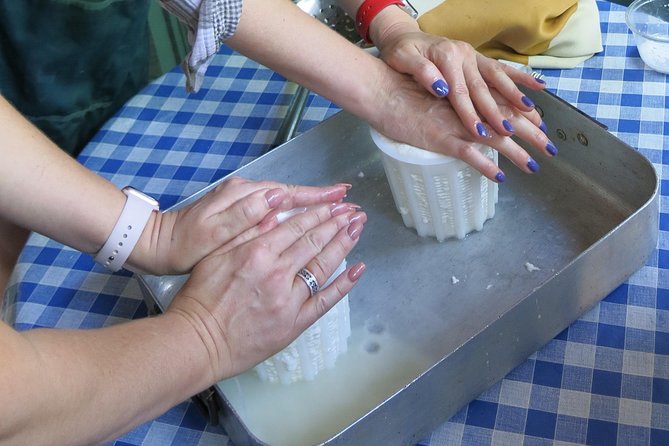
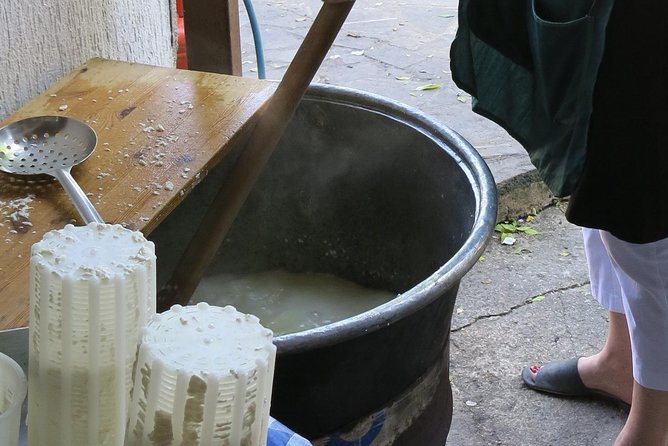
The format is hands-on. You are shown each stage, then invited to take part where possible. There is waiting time between parts of the cheese-making process, but that does not mean you are left with nothing to do. The guide may use that time to show you more of the village or explain local customs and food.
The workshop takes place at a local house in Axylou, not in a polished tourist kitchen. That is a real advantage if you want contact with ordinary village life. You may also see local people arriving to buy halloumi, which gives the stop a working, lived-in feel.
The cheese is tasted while it is still fresh, along with the other products made during the workshop. That simple moment is one of the strongest reasons to book this experience. You are not only told how halloumi is made. You get to understand its texture, warmth, saltiness, and place in a Cypriot meal.
More Cheese Making Workshops in the world:
- Paris Cheesemaking Workshop including Wine and Cheese Tasting with an Expert
★ 5.0 · 141 reviews - Dijon: Cheese and Burgundy Wine Tasting Workshop
★ 4.8 · 122 reviews - Fuerteventura: Artisan Goat’s Cheese Making at Local Farm
★ 4.9 · 112 reviews
The drive from Paphos into the Troodos villages
Pickup begins at about 9:00 a.m. from most locations in Paphos. The operator offers door-to-door transport from hotels, apartments, private accommodation, landmarks, and possibly Paphos Airport if arranged through the booking process.
The air-conditioned vehicle matters here. You spend much of the day on mountain and village roads, and the drive is part of the experience rather than a quick transfer. You pass through countryside, vineyards, and rural settlements as the city gives way to the Paphos side of the Troodos mountain region.
It is important to understand the geography before booking. This tour does not go to Troodos Square. The Troodos range spreads across several districts, and this route visits villages in the Paphos region rather than taking you to the best-known mountain resort area.
The operator describes the journey as bespoke, but that does not mean you can set every stop. The local people visited after the workshop have their own working schedules, so the guide may adjust the route according to the season and who is available to host the group.
Axylou and the three-hour cheese workshop
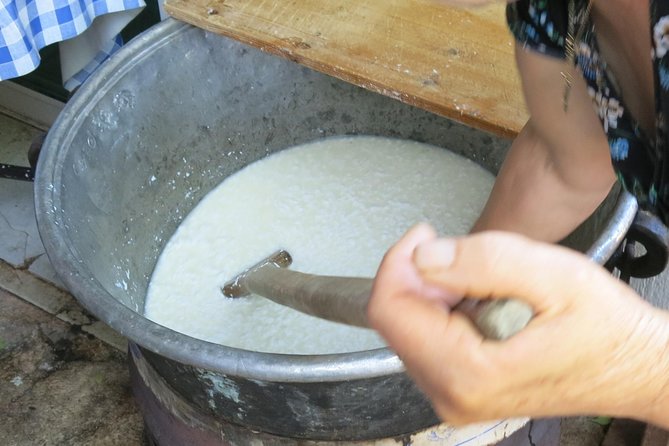
The main stop is Axylou, where a local village woman teaches the traditional method for making halloumi and anari. The workshop lasts about three hours, although the active cheese-making portion may feel shorter because some stages require waiting.
That is worth knowing if you expect three hours of constant cooking. This is closer to a village demonstration with active participation, conversation, tasting, and a meal. You will help with much of the process, but the host still guides the work carefully.
The reward is the brunch that follows. Expect an assortment of breads and cheeses, including the halloumi made during the session, along with local preserves and other Cypriot foods. One especially memorable combination described by the company is hawthorn jam with bread and cheese. Homemade lemonade, mountain tea, black tea, Cyprus coffee, and bottled water are also included.
The food is generous enough that you should arrive hungry. Snacks and tastings continue through the day, so this is not a good choice if you want a light, quick food stop. It is better suited to someone who enjoys sitting at a table, trying several unfamiliar products, and asking questions.
The host and guide are central to the experience. Guides such as Christina, Myra, and Elena have been praised for explaining the process clearly and keeping conversation going during the quieter moments. The tone may vary by departure, of course, but the strongest part of this tour is the personal contact, not a scripted cooking lesson.
Local producers, with the route changing by season
After Axylou, the day usually continues through the Statos and Agios Fotios area, where you visit two or three small producers. The exact mix can change. Possibilities include carob honey, traditional sweets, local jams, olive oil, wine, chocolates, or donkey milk products.
This flexible approach is both a strength and a limitation. You are more likely to meet working producers than to be taken through a fixed list of commercial attractions. On the other hand, you cannot be certain of visiting a particular winery or shop unless the operator confirms it for your date.
Carob products are especially useful for understanding Cyprus food beyond halloumi. Carob honey and carob syrup have a deep, sweet flavor and show how local ingredients become pantry staples. Tastings of jam, olive oil, sweets, or wine make this section feel like a moving meal, so keep room for more food after brunch.
The wine tasting is one of the most praised parts of the day. You may taste local wines on a patio or at a producer, with the guide explaining the grapes and the place of vineyards in the mountain villages. If you mainly drink dry European wines, you may find some bottles outside your usual preferences, but the setting and the explanation add value.
Wine is included, along with other alcoholic drinks served during the tastings. If you do not drink alcohol, the tour still includes plenty of food, coffee, tea, lemonade, and non-wine products, but you should not expect the wine portion to disappear from the schedule.
More cheese tours worth booking in the world:
- Amsterdam Classic Saloon Boat Cruise with Drinks and Cheese
★ 5.0 · 31,825 reviews - Amsterdam: Classic Saloon Boat Cruise with Cheese & Wine
★ 4.6 · 27,035 reviews - Krakow–Zakopane: Cable Car, Chocholow Baths, Cheese & Vodka
★ 5.0 · 10,720 reviews - Krakow–Zakopane: Cable Car, Chocholow Baths, Cheese & Vodka
★ 4.8 · 8,989 reviews
Chrysoroyiatissa Monastery and the mountain views
The itinerary includes a roughly 30-minute stop at Chrysoroyiatissa Monastery. It is a bonus historical and scenic pause rather than the central focus of the day.
That short visit breaks up the food stops and gives you a chance to see a quieter side of the Paphos countryside. The monastery is also useful context: this is not only a trip built around sampling products. The guide may connect the site to local history and religious life, adding depth to the drive through the mountains.
Do not book this tour as a dedicated monastery visit. Thirty minutes is enough for a look and some photographs, but not for an extended study of the complex. The value comes from fitting a cultural stop into a food-focused route without turning the day into a long list of churches and ruins.
Geroskipou and a sweet finish
On the return toward Paphos, the group stops in Geroskipou for a look at traditional sweets. The visit includes a tour and tasting at a small local workshop, usually lasting about 30 minutes.
Geroskipou is associated with loukoumi, often called Cyprus Delight. This is a pleasing way to end the food trail because it shifts from salty cheese and savory products to sugar, fruit flavors, and confectionery.
The stop is brief, so think of it as a focused introduction rather than a full pastry class. You may also receive other small tastes depending on the producer and the day. Since sweets are already part of the broader list of possible stops, the exact selection can vary.
I like the order of the route. You begin with the most active part, eat a substantial brunch, sample village products through the afternoon, take in a monastery, and finish with something sweet. It feels like a full portrait of rural Cyprus, even though no single stop lasts long enough to cover everything.
What the price includes at $142.71
At $142.71 per person, this is not the cheapest way to reach the Troodos region. The value depends on how much of the included food, transport, and personal guidance you would otherwise arrange yourself.
You get about seven hours of transport from Paphos, an air-conditioned vehicle, a bilingual local guide, the cheese workshop, brunch, snacks, wine, coffee, tea, lemonade, bottled water, tasting fees, and entrance to the monastery. You also avoid the work of finding small producers spread across rural villages.
A self-drive day might cost less at first glance, but it would not be easy to reproduce the same sequence of hosts and tastings. You would also need to decide who drives after wine tasting and manage mountain roads and changing opening times.
The tour offers particularly good value for three kinds of visitors: people without a car, food-focused visitors who want more than a restaurant meal, and first-time visitors who want a local guide to explain what they are tasting. If you only want a short halloumi lesson, the price may feel high because the workshop is one part of a much longer day.
The small group is another part of the value. The stated maximum is six people, allowing more conversation and less time waiting for a large coach group. A small group also suits the village setting, where a quiet visit feels more natural than a crowd moving through a home or workshop.
The guide makes a noticeable difference
The guide is not only driving. This person connects the food, villages, wine, and history. Christina has been praised for making the day friendly and informative, while Myra has been singled out for broad knowledge of Cyprus, local grapes, and history. Elena has also been praised for warmth, organization, photographs, and thoughtful extras such as a seasonal pastry or small treat bag.
Guides can differ in style, and one departure received criticism for a guide whose comments made some people uncomfortable. That is the only clear negative pattern in the supplied feedback, but it is still worth noting. Most of the praise is directed at the guides, yet no guided experience is entirely separate from the personality leading it.
If you enjoy asking questions, the format should suit you. The guides have room to explain what is happening, and small groups make it easier to talk during the drive. If you prefer to explore alone or keep conversation to a minimum, a private car day or independent food stop may be a better fit.
The company has operated since 2011 and presents itself as a small local business. Booking with it supports a local operator and the village producers visited along the way. That does not guarantee a perfect day, but it does explain why the experience feels more personal than a standard sightseeing transfer.
Timing, pickup, and practical cautions
The advertised duration is about seven hours, beginning around 9:00 a.m. The listed times are only guidelines. If you need to return to your accommodation by a fixed time, tell the operator before the day begins.
That warning matters. The route depends on local hosts, tasting stops, traffic, and the pace of the group. Do not schedule a tight appointment, airport departure, or evening event immediately after the tour unless the return time has been confirmed.
Pickup is offered from almost any Paphos location. If your exact address does not appear during booking, you can still book and the operator says it will arrange the pickup or provide a full refund if it cannot do so.
The activity is offered in English, with a local bilingual guide. Most people can participate, but the supplied information does not give a detailed accessibility assessment. If you have mobility, dietary, or other practical needs, ask before booking rather than assuming the village homes and rural stops will suit every requirement.
The cancellation policy allows a full refund when you cancel at least 24 hours before the start time. Late cancellations and changes are not accepted for a refund, and the tour may be rescheduled or refunded if its minimum number is not met.
Cruise ship passengers should not book this option through the standard platform. The operator specifically asks cruise passengers to contact it directly.
Who should book this day in the Troodos region?
I would choose this tour if you want food to be the main door into Cyprus. It suits couples, small groups, and solo visitors who enjoy meeting local hosts, eating a substantial meal, and hearing stories during the drive.
It is also a good choice for anyone who has already seen Paphos’s major sights and wants a change from beaches, ruins, and hotel restaurants. You will see villages, vineyards, producers, a monastery, and a sweet-making workshop in one day.
Families may enjoy the hands-on cheese process, but the seven-hour schedule and long meal should be considered. Children who like making food may have a great time, while children who need constant activity could find the waiting periods and drives slow.
Wine lovers should pay attention to the departure details, since the tastings are a meaningful part of the day. People with strict dietary requirements should check in advance because the brunch and tasting menu is built around dairy, breads, preserves, sweets, and local products.
Should you book the halloumi workshop?
Book it if you want a small-group food tour with real village contact, not just a quick cooking demonstration. The combination of hands-on cheese making, brunch, wine, local producers, monastery views, and Geroskipou sweets gives you a lot for a full day.
Skip it if you need a fixed timetable, want to visit Troodos Square, or dislike changing plans. The route is deliberately flexible, and the halloumi workshop is the anchor rather than the whole experience.
For most food-focused visitors staying in Paphos, the $142.71 price is fair because it covers transport, meals, tastings, entrance fees, and a guide who does the connecting work. The best reason to book is simple: you leave with a better sense of how Cyprus eats, works, and welcomes people in its mountain villages.
FAQ
Where does the tour start?
The tour starts with pickup at about 9:00 a.m. from almost any location in Paphos, including hotels, apartments, private accommodation, and landmarks. Pickup or drop-off at Paphos Airport may also be possible.
How long does the tour last?
The experience lasts approximately seven hours. The schedule is flexible, so the stated times are guidelines rather than fixed guarantees.
Does the tour visit Troodos Square?
No. The route visits villages within the Paphos region of the Troodos mountain range and does not visit Troodos Square.
How many people can join the tour?
The stated maximum is six people. This keeps the vehicle and village visits relatively small in scale.
What food and drinks are included?
The tour includes halloumi and anari tastings, brunch, snacks, local food tastings, wine, mountain tea, black tea, Cyprus coffee, homemade lemonade, and bottled water.
Is the halloumi workshop hands-on?
Yes. You are shown the traditional process and invited to help with many of the stages. The workshop also includes a tasting of the cheeses made during the session.
Can I cancel for a full refund?
Yes, if you cancel at least 24 hours before the experience start time. Cancellations or changes made less than 24 hours in advance are not refundable.
New cheese trips in the world
- Zermatt: Outdoor fondue “group experience under the stars”★ 4.7 · 3 reviews
- Zaanse Schans & Volendam Private Tour: Windmills and Cheese★ 5.0 · 5 reviews
- Zurich: Lucerne Trip, Igloo Fondue and Titlis Rotair Option★ 4.9 · 5 reviews
- Zurich Open-top Tour and Chocolate and Cheese Countryside★ 3.5 · 11 reviews
- Amsterdam: Zaanse Schans E-Bike Tour with Windmills & Cheese★ 4.5 · 12 reviews
- Wine Masterclass & Cheese Tasting Workshop in Bordeaux★ 5.0 · 2 reviews
- Wine Tasting with Cured Meats & Cheeses in Florence★ 5.0 · 2 reviews
- Wine, Cheese and Charcuterie tasting★ 4.9 · 17 reviews
Cheese Making Workshops, compared.
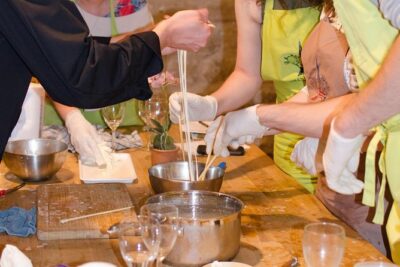
Paris Cheesemaking Workshop including Wine and Cheese Tasting with an Expert
Read our review →
Central Madrid: Sangría Workshop & Tasting with Local Cheese
Read our review →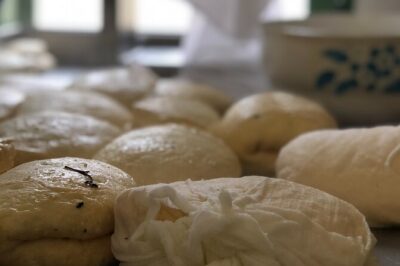
Troodos Mountains Halloumi Making: All Inclusive Workshop & Tour
Read our review →
Visit to the property and wine/cheese pairing workshop
Read our review →Browse the lists this tour appears in