
Reviewed · MUSEUMS
Gouda: Museum Gouda Entry Ticket
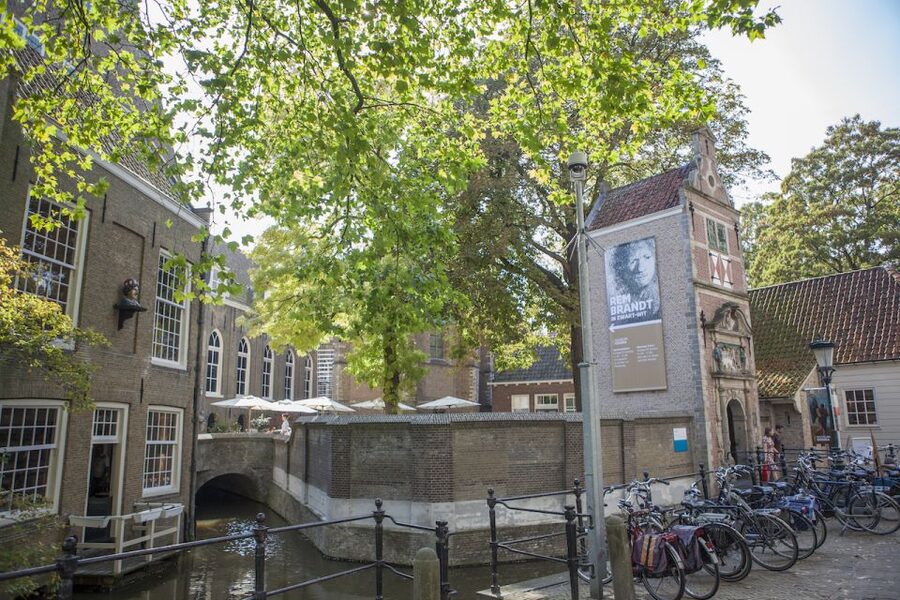
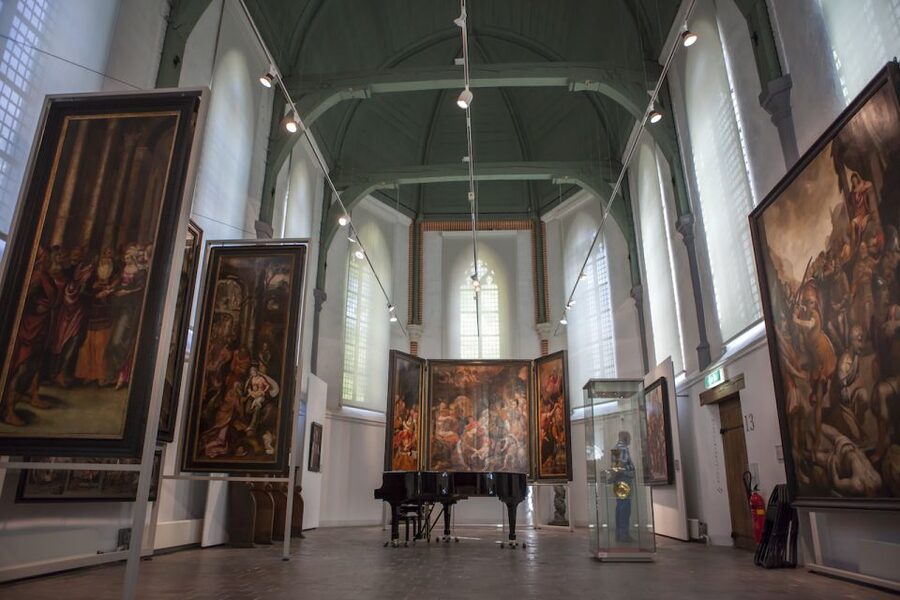
Museum Gouda packs six centuries of city life into a former 14th-century guest house. Its best surprises are the altar paintings that survived the 16th-century iconoclasm and the huge interactive model showing Gouda as it looked in 1562. You get art, local history, and a clear sense of how this cheese-famous city grew.
I like the mix of high art and everyday craft. Ferdinand Bol and Isaac Israels share space with Gouda clay pipes and decorative plateel pottery, so you are not looking at a narrow collection. I also like the one-day validity, which lets you fit the museum around Gouda’s market square, canals, and other sights.
The main drawback is the lack of a guide or audio guide. If you want every painting explained, bring patience and read the available labels carefully. One French-speaking visitor specifically found the number of works impressive but felt the explanations were too limited without audio support.
Key points to know before you go
- A 1562 Gouda model gives the museum a strong starting point: The large interactive maquette helps you picture the city before you study its paintings and objects.
- Six centuries appear under one roof: The collection runs from 16th-century religious art through 20th-century pottery.
- Rare altar paintings survived the iconoclasm: These works connect Gouda to the religious conflicts that reshaped the Netherlands.
- Ferdinand Bol and Isaac Israels add national art history: The museum is not limited to local objects.
- Gouda plateel explains the city’s pottery fame: Decorative ceramics provide a useful link between design, industry, and local identity.
- The $19 ticket is best for independent museum visitors: You receive entry for one day, but no food, parking, guide, or audio guide.
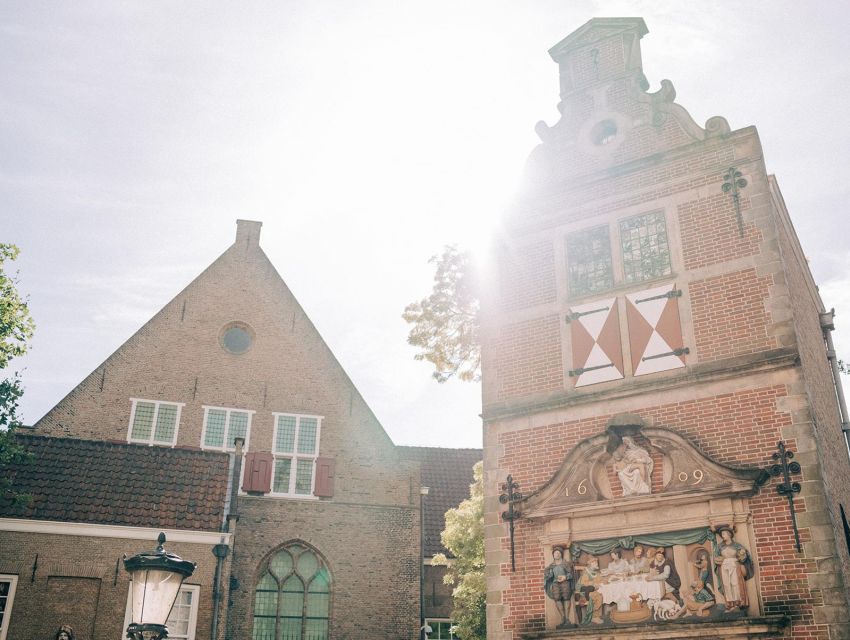
Entering a 14th-century guest house
The building matters here. Museum Gouda is housed in a 14th-century guest house, so your visit begins with a historic setting rather than a modern display hall. That gives the collection a local feel from the first room.
The museum’s permanent collection and temporary exhibitions cover about 600 years of Gouda’s story. The route moves across different periods and types of art, which makes this a useful stop if you want more than the usual postcard view of the city.
You should allow enough time to read, pause, and make connections between the rooms. The ticket is valid for one day, so you are not forced into a tight schedule. You can visit in the morning, see more of central Gouda, and return later if the admission terms and opening schedule allow your plans to do so. Check the available starting times when booking.
The museum suits independent visitors best. There is no named guide leading you through the building, and the ticket includes admission only. English and Dutch are the stated languages, but the amount of explanation may vary from one object to the next.
More cheese and food museums in Gouda:
- Guided Visit to the Estrella Galicia Museum with Cheese Pairing
★ 5.0 · 218 reviews - Paris: Living Cheese Museum Guided Tour with Cheese Tasting
★ 4.8 · 182 reviews - Fuerteventura: Tickets to Salt, Cheese and Windmill Museums
★ 4.4 · 129 reviews
Start with Gouda in 1562
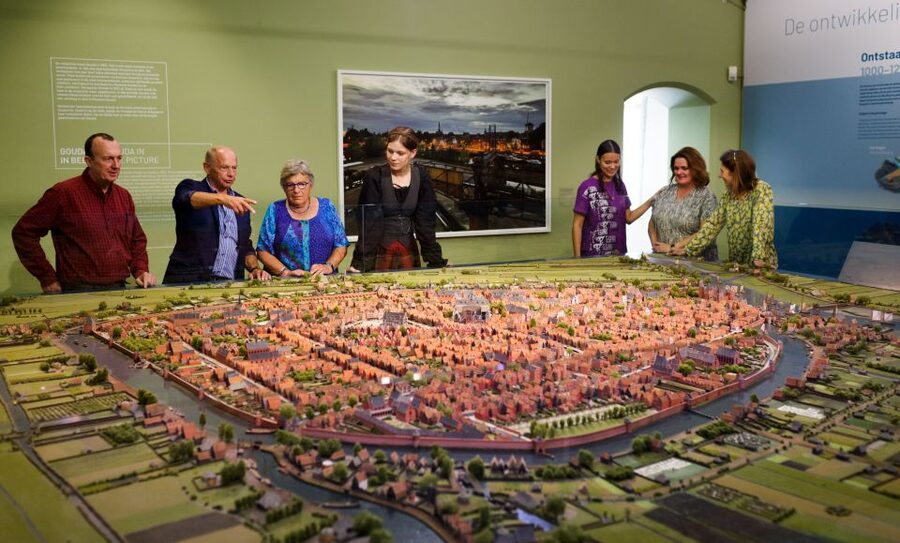
The large interactive maquette is one of the most useful parts of the visit. It shows Gouda in 1562, giving you a picture of the city at a moment when its streets, buildings, and defenses looked very different from today.
I would give this model your attention early in the visit. It helps you place the museum’s later art in a real city. After seeing the model, paintings and civic objects feel less like isolated pieces and more like parts of a town with institutions, trades, churches, and public life.
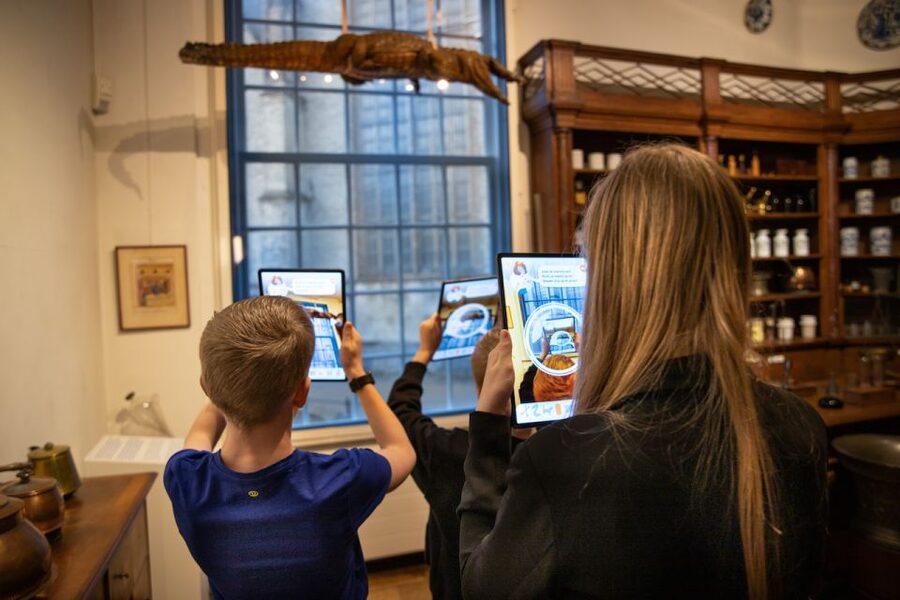
The interactive element also gives the museum an easy entry point for families and visitors who are not art specialists. You can begin with the physical city, then move toward the stories told through paintings and objects.
The available information does not specify exactly how every part of the model works, so do not expect a full guided presentation. Think of it as a visual tool that helps you get your bearings. If you prefer a detailed historical lecture, you may find the visit more rewarding with your own background reading.
The altar paintings that escaped destruction
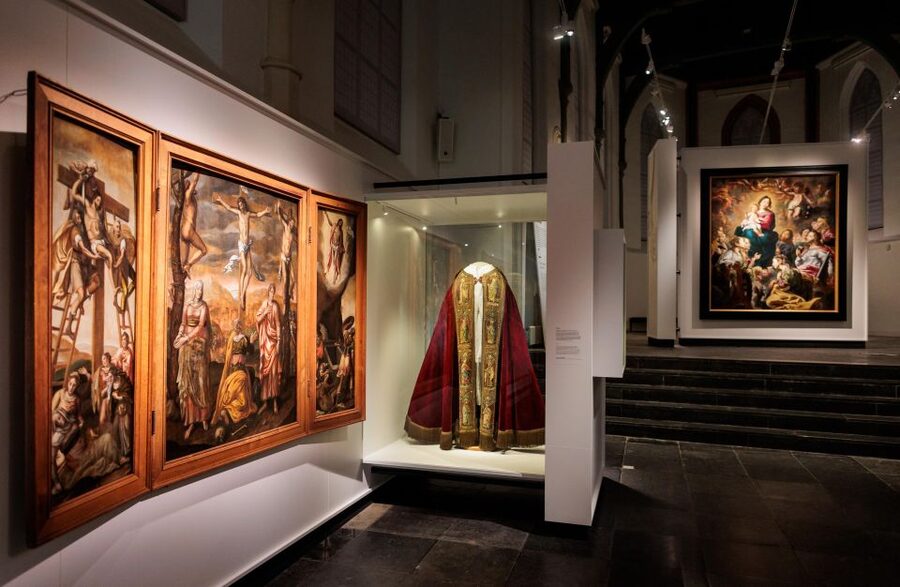
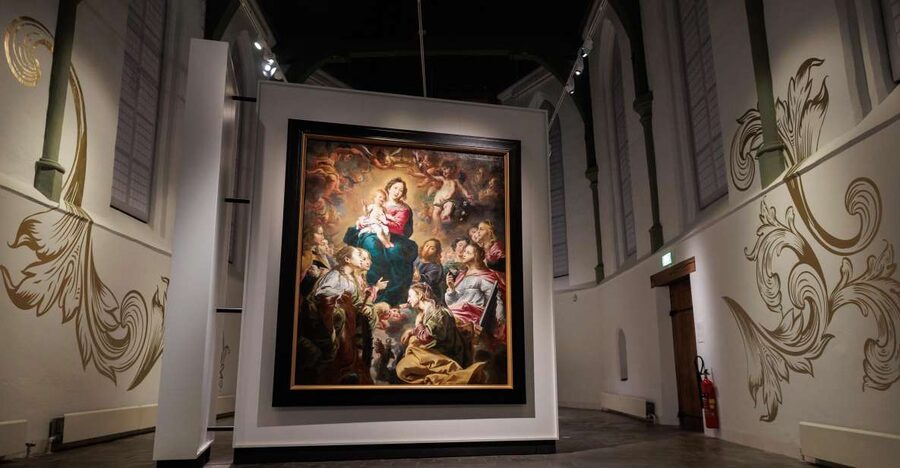
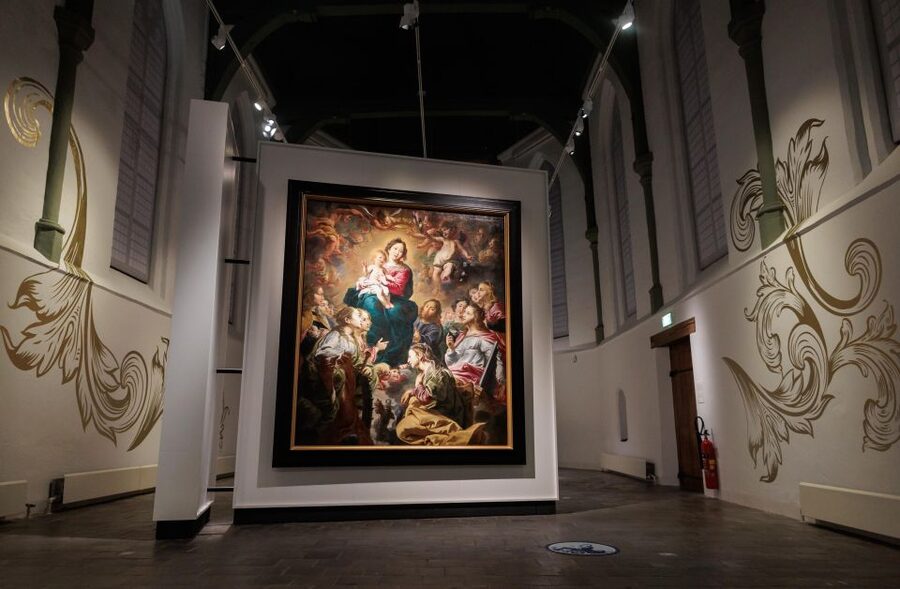
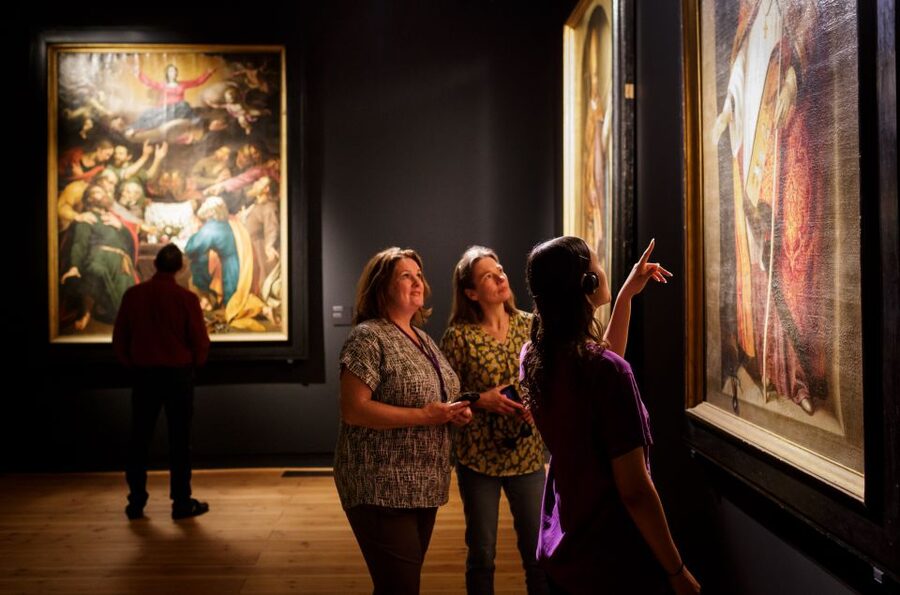
The museum’s most important works include altar pieces that survived the iconoclasm that swept through the Netherlands in the 16th century. During this period of religious conflict, many church images were damaged or destroyed. The surviving works are therefore valuable not only as paintings, but also as evidence of what was lost.
One of the stated highlights is a 16th-century triptych. That format gives you a chance to see how religious art could be arranged across several panels to tell a larger story. The collection includes only a few altar pieces that came through the period intact, which makes this part of the museum especially significant.
You do not need to know every detail of Dutch religious history to appreciate these works. Look for the contrast between their original religious purpose and their later life in a museum. The paintings now help explain Gouda’s past, even for visitors who are mainly interested in art technique or local history.
This is also where the lack of an audio guide matters most. Religious paintings can be hard to read without context, particularly when saints, symbols, and biblical scenes are unfamiliar. Read the labels, and consider using a guidebook or your own reference material if you want more than a quick look.
Civic guards, public pride, and group portraits
The collection then moves beyond church art into 17th-century civic guard pieces and militia group portraits. These works record the people and organizations that helped define public life in Dutch towns.
Group portraits are not always easy to love at first glance. Several people may appear in similar poses, and the names can feel like a long list. Yet they offer a different kind of information from religious painting. They show how local citizens wanted to be seen, how civic groups presented themselves, and how painting served public status.
I find this section useful because it shifts the focus from altar and church to city and community. Gouda was not only a place of worship. It was also a place of civic duties, organized groups, and local identity.
Give yourself time to look at the faces and clothing rather than rushing past. The collection description does not provide a detailed room-by-room route, so the exact order may vary. Still, the move from surviving religious art to civic portraits creates a sensible story about how Gouda’s public world changed.
More entry tickets in Gouda:
- Gouda: Gouda Cheese Experience Entry Ticket
★ 4.6 · 578 reviews - Gouda: Syrup Waffle Factory Ticket with a Waffle
★ 4.5 · 202 reviews - Parma: Parmigiano Reggiano Museum Ticket
★ 3.7 · 34 reviews - Edam: Edam Cheese Museum Entry Ticket
★ 4.7 · 33 reviews
Ferdinand Bol and Isaac Israels broaden the collection
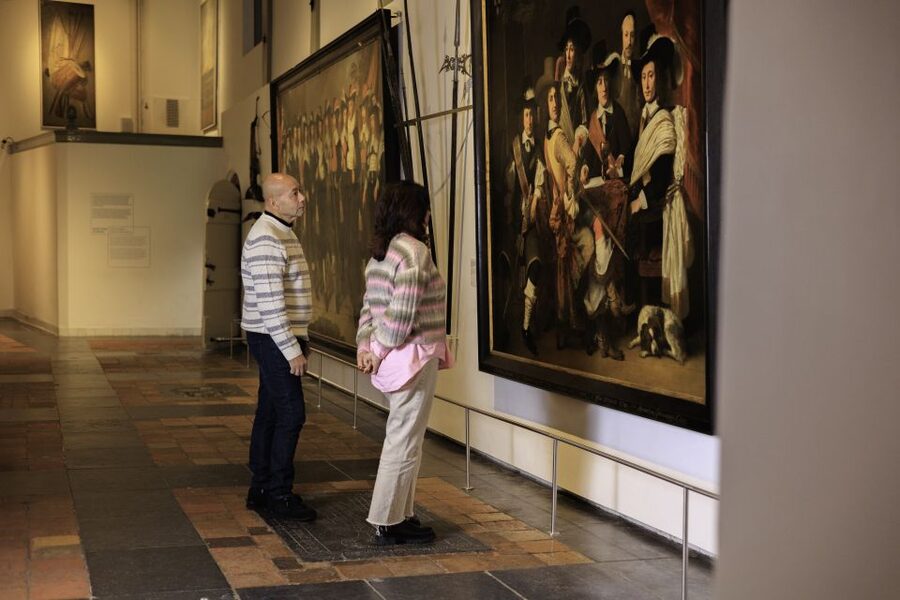
Museum Gouda also includes works by famous painters such as Ferdinand Bol and Isaac Israels. Their presence gives the museum a wider reach. You are not limited to objects made in Gouda or scenes directly tied to the city.
Ferdinand Bol is associated with the Dutch art world of the 17th century, while Isaac Israels represents a later period. Placing artists from different centuries in one museum lets you compare changes in style, subject, and artistic purpose.
The collection also includes 19th-century French and Dutch works. This provides a bridge between the older civic and religious pieces and the 20th-century pottery. If you enjoy seeing art develop across time, this range is one of the ticket’s strongest points.
Do not expect a museum devoted only to one famous master. The value here lies in the spread of material. You may recognize a painter, then find yourself just as interested in a local craft tradition or a small historical object nearby.
Gouda clay pipes and plateel pottery
Gouda’s pottery gives the museum a strong local finish. The collection includes the Gouda clay pipe and 20th-century decorative plateel, the pottery that helped make the city famous.
These objects add a practical side to the museum. Paintings show what people believed, admired, or wanted recorded. Ceramics reveal design choices, production, and the way a city could build an identity around a craft.
The term plateel refers to decorative pottery, and this section is especially worthwhile if you already plan to visit Gouda for its cheese, markets, and old streets. It shows that the city is more than a name on a food label.
I like this part because it keeps the museum from feeling too formal. You can move from major paintings to objects connected with work, trade, and daily life. That balance makes the visit easier to enjoy with mixed interests in your group.
Temporary exhibitions add a reason to return
Do not skip the temporary exhibitions. They are part of the museum’s program and may give you a different entry point into Gouda or its art.
The available information does not specify which temporary show will be on during your visit, so you should check before booking if a particular exhibition matters to you. The permanent collection is the reliable reason to go, while the temporary display may change the shape of your visit.
This also affects the value of the ticket. At $19 per person, admission is not a casual free stop, but it covers a full day rather than a timed few minutes. If you have a serious interest in art, local history, or Dutch pottery, the price is reasonable for the range under one roof. If you only have a short time in Gouda and mainly want to see the market square, you may prefer to keep the museum as an optional stop.
Food and drinks are not included, and parking is not included. Plan those costs separately. The ticket itself is focused on entry.
Is the $19 ticket good value?
For an art museum with permanent collections, temporary exhibitions, a historic building, and a six-century span, $19 can make sense. The strongest value comes from the variety: altar paintings, civic art, 19th-century French and Dutch works, famous painters, clay pipes, and plateel pottery.
The ticket is less attractive if you want a guided experience. No guide or audio guide is included, and that is the clearest weakness. The collection has plenty to see, but some objects may not explain themselves well, especially if you do not already know Dutch religious or civic history.
The free-cancellation policy also reduces the risk of fitting the museum into a changing day. You can cancel up to 24 hours in advance for a full refund. The reserve-now, pay-later option lets you hold a place without paying at the time of booking.
The museum is wheelchair accessible, which is useful when planning a full day in Gouda. The listed host or greeter languages are English and Dutch.
Who should book Museum Gouda?
I would recommend this admission to you if you like museums that connect art with a specific place. It works well for visitors who want to understand Gouda beyond its famous cheese and for anyone who enjoys moving between major paintings and local crafts.
Families may appreciate the 1562 city model, particularly if younger visitors need a visual starting point. Art lovers will find familiar names such as Ferdinand Bol and Isaac Israels, along with older religious works and later pottery.
You should think twice if you need a fully explained tour. The absence of a guide and audio guide means you must make your own route through the collection. That is not a flaw for independent museum visitors, but it can leave gaps for anyone who depends on spoken interpretation.
Should you book this entry ticket?
Book it if you have time for a proper museum visit and want a broad picture of Gouda’s past. The surviving altar paintings, 1562 city model, civic guard pieces, and plateel pottery give the museum a clear local purpose, while the work by Ferdinand Bol, Isaac Israels, and other Dutch and French artists adds wider interest.
Skip it if your Gouda stop is very short or if you want a guided art lesson. For everyone else, the $19 ticket offers a worthwhile look at the city’s art, faith, public life, and craft traditions, all inside a historic building.
FAQ
Where is Museum Gouda located?
Museum Gouda is in South Holland, Netherlands, in a 14th-century guest house.
How much does the Museum Gouda entry ticket cost?
The listed price is $19 per person.
How long is the ticket valid?
The ticket is valid for one day.
What does the ticket include?
It includes entry to Museum Gouda.
Are food and drinks included?
No. Food and drinks are not included.
Is parking included?
No. Parking is not included in the ticket.
Is Museum Gouda wheelchair accessible?
Yes. The activity is listed as wheelchair accessible.
What languages are available?
English and Dutch are listed as the available languages. The host or greeter languages are also English and Dutch.
Can I cancel the booking?
Yes. You can cancel up to 24 hours in advance for a full refund. You can also reserve now and pay later, subject to the booking conditions.
New cheese trips in Gouda
- e-Scavenger hunt Gouda: Explore the city at your own pace★ 4.5 · 19 reviews
- Discover Gouda with a self-guided Outside Escape city game tour!★ 5.0 · 13 reviews
- Explore Gouda with Self-Guided GPS and Audio Tour★ 4.0 · 2 reviews
- Escape Xperience in Gouda: The Legend of Jacoba★ 5.0 · 2 reviews
- Self-Guided Walking Tour of Gouda: Canals, Colonies, and Cheese★ 5.0 · 3 reviews
- Historical Gouda: Private Tour with Local Guide★ 5.0 · 2 reviews
- Gouda Cheese and Delft Blue: Full-Day Private Tour★ 5.0 · 4 reviews
- 90 Minutes Self-Guided Family Friendly Walking Tour in Gouda★ 5.0 · 2 reviews
Museums, compared.
Guided Visit to the Estrella Galicia Museum with Cheese Pairing
Read our review →
Living Cheese Museum Guided Tour with Cheese Tasting
Read our review →
Day Tour Parmigiano, Ferrari Museum, Balsamic, Lambrusco, Lunch with Transfer
Read our review →
Guided visit of the Cheese Museum with Tasting Included
Read our review →
Parmesan and Balsamic Food Tour with Ferrari Museum
Read our review →Browse the lists this tour appears in