
Reviewed · WINE AND CHEESE TASTINGS
Gourmet Experience: Tasting of Spanish Cheeses and Wines
Spanish cheese and wine make a fine Madrid pairing, especially when the tasting moves from Mahón-Menorca to Gamoneu and matches each cheese with a different regional wine. Near Plaza Mayor, a local guide leads you through four cheeses, four wines, and the food traditions behind them.
I like the wide regional spread: you taste products from Madrid, Asturias, Murcia, Menorca, Andalusia, Castilla-La Mancha, and Valencia in one sitting. I also like the friendly, personal format, with hosts such as Anthony, Yirelis, and Toni praised for clear explanations and warm service. The main consideration is that it is strictly for adults and not suitable for vegans, pregnant people, or those with hearing impairments.
Key points at a glance
- Four protected-origin cheeses: Taste cow, goat, sheep, and mixed-milk cheeses from several Spanish regions.
- Four regional wines: The lineup includes red, white, and fortified-style wines from Murcia, Andalusia, Castilla-La Mancha, and Valencia.
- Central Madrid setting: The venue is near Plaza Mayor, making it easy to fit into a day of sightseeing.
- Two hours of guided tasting: You get enough time for explanations and pairings without giving up half your day.
- Five possible languages: Sessions are offered in English, Spanish, Italian, French, and Portuguese.
- Strong value for food lovers: At $59 per person, the price covers eight tasting elements plus expert instruction and regional context.
What the Madrid cheese and wine tasting is really like
This is not simply a plate of cheese with a few glasses placed beside it. The point is to understand why a cheese changes when paired with a particular wine, and how climate, animal milk, aging, and local traditions shape the final flavor.
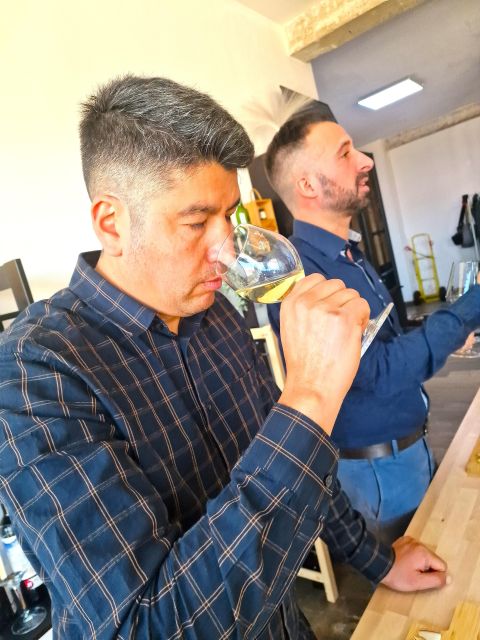
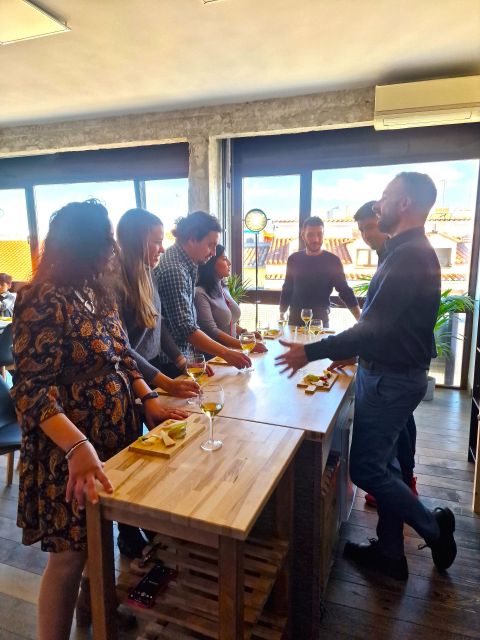
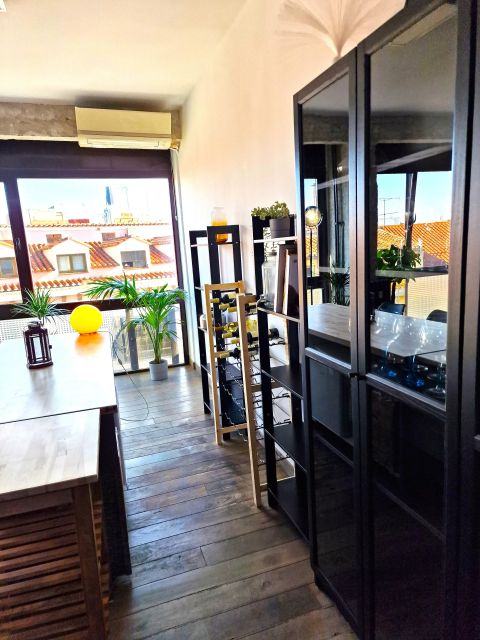
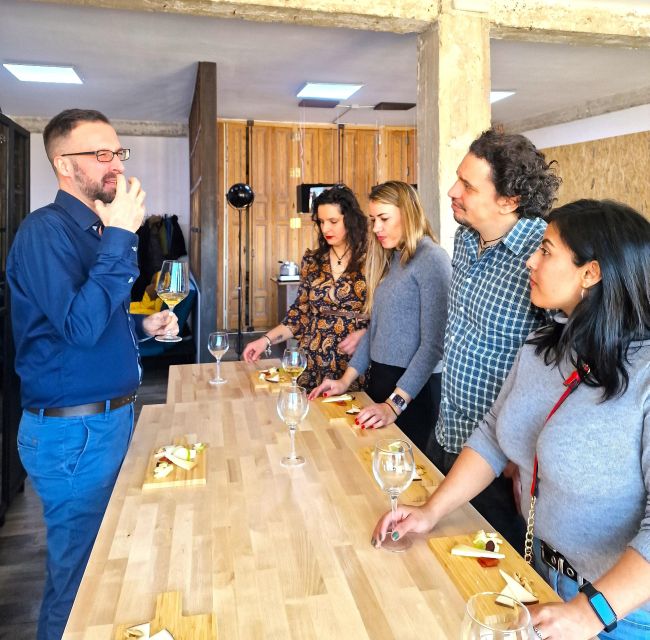
You sit down in a cozy, elegant setting in central Madrid. A local host introduces the tasting and explains how the session will work. From there, the food arrives as a guided progression rather than a free-for-all.
That structure matters. If you tasted eight items without help, you might remember only which cheese you liked best. With a guide, you get a clearer sense of what to notice: texture, salt, strength, sweetness, acidity, and the way wine changes the finish.
The two-hour length is well judged for this type of activity. It gives you time to ask questions and hear about each region, but it remains short enough to fit between major Madrid sights. You will not need transport during the tasting, since the venue is near Plaza Mayor and in the heart of the city.
More Wine and Cheese Tastings in Spain
- Tacoronte: Guided Winery Tour with Wine and Cheese Tastings
★ 4.6 · 481 reviews - Tenerife Bodegas Monje Winery Tour with Wine and Cheese Tasting
★ 4.5 · 121 reviews - Visit and wine tasting with sausage and BODEGA PIRINEOS cheese
★ 5.0 · 73 reviews
Four cheeses from Menorca, Madrid, Murcia, and Asturias
The cheese selection gives this tasting its strongest identity. You are not sampling a single style of Spanish cheese repeated four times. Instead, the table covers different milk types, regions, and production traditions.
Mahón-Menorca cow cheese
The first selection is a cow’s-milk cheese from the Mahón-Menorca designation of origin. Menorca is an island in the Balearic Islands, and Mahón cheese is one of its best-known food products.
This is a useful opening cheese because it gives you a clear reference point before the stronger selections arrive. The guide can explain how its island origin and cow’s milk production fit into the wider Spanish cheese map. Pay attention to texture and saltiness, then compare it with the goat and mixed-milk cheeses that follow.
Cabezuela goat cheese from Madrid
The next selection comes from the Madrid region and is made with goat’s milk. It gives the tasting a direct local connection, which I value more than simply presenting famous products from faraway parts of Spain.
Goat cheese can show a sharper, more distinctive character than cow’s-milk cheese. That makes it useful for learning how wine pairing works. A wine that seems too light beside one cheese may feel just right beside another, and the guide’s explanation helps you spot the difference.
Same region, a different board:
- Guided Visit to the Estrella Galicia Museum with Cheese Pairing
★ 5.0 · 218 reviews - Fuerteventura: Tickets to Salt, Cheese and Windmill Museums
★ 4.4 · 129 reviews - Fuerteventura: Artisan Goat’s Cheese Making at Local Farm
★ 4.9 · 112 reviews - Menorca: Guided visit to the Subaida cheese factory,
★ 4.5 · 96 reviews
Murcia cheese with wine
The Murcia selection is a cheese associated with wine, giving the tasting a particularly natural bridge between the two main ingredients. It comes from a protected designation of origin in Murcia and is paired with a red wine from the same region.
This is likely to be one of the most interesting moments for anyone curious about food production. The pairing is not random. It lets you compare a cheese and wine shaped by the same broad regional food culture, while also seeing how a wine-treated cheese differs from a more straightforward cow or goat cheese.
Gamoneu from Asturias
The final cheese is Gamoneu from Asturias, made with sheep’s, goat’s, and cow’s milk. That mixed-milk character gives you another useful comparison point, since it brings several milk sources into one cheese.
Gamoneu is a fitting later course because it adds complexity to the table. By this stage, you have already tasted individual cow and goat cheeses. The mixed-milk selection lets you consider how different milks work together, while the guide links the cheese to Asturias and its regional traditions.
The four-cheese lineup is the best reason to book this activity if your interest is more than simply eating something salty with a drink. It offers variety without becoming a large buffet, and each selection has a clear place in the story.
Four wines from four Spanish regions
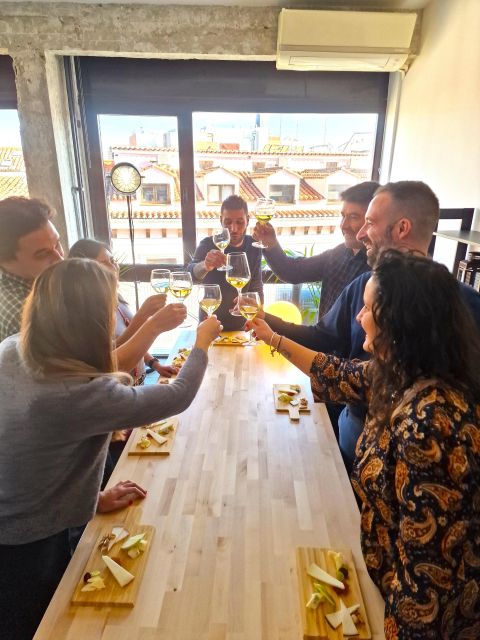
The wine selection follows a similar regional plan. You taste a red from Murcia, a fine wine from Andalusia, a white from Castilla-La Mancha, and a red from Valencia.
The phrase fine wine refers to a wine style associated with Andalusia, rather than simply a general quality claim. This gives you a chance to compare a fortified-style or aged Andalusian wine with the other wines on the table. The contrast is valuable because it shows how Spanish wine culture extends well beyond the familiar red wines.
The white from Castilla-La Mancha provides a change of pace. Castilla-La Mancha is one of Spain’s major wine areas, and the white selection helps prevent the tasting from becoming a steady run of reds. It also gives you another tool for pairing with cheese, since whites can work well with salty or tangy cheeses.
The red from Valencia adds a further regional comparison, while the Murcia red is paired with the Murcia cheese. I like this setup because you are not asked to judge each wine in isolation. You can think about both the drink itself and what happens when it meets a particular cheese.
Do not expect a full glass of every wine or a complete wine course. This is a tasting, not a winery visit. The supplied details identify the regions and styles, but not individual producers, vintages, pour sizes, or grape varieties. If those details matter to you, ask the host during the session.
Why the guide matters more than the table
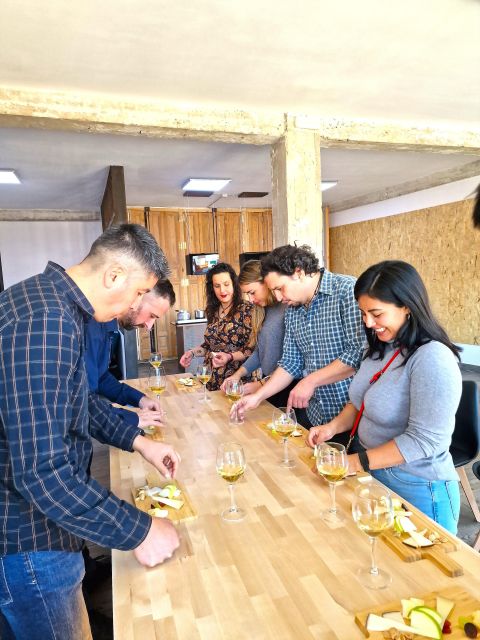
The food is appealing on its own, but the guide is what turns the tasting into an activity rather than a snack break. The host explains how to combine each cheese and wine, then places the products in their Spanish setting.
The language list is a practical advantage. You can book a session in English, Spanish, Italian, French, or Portuguese. That matters here because pairing advice and regional food terms are easier to follow in a language you understand well.
The individual hosts named in the booking feedback include Anthony, Yirelis, and Toni. Anthony was thanked for his help, Yirelis was singled out for guiding the tasting, and Toni was praised for his explanations and personal service. Those comments point to a host-led experience where the person at the table has a real effect on the mood and clarity of the session.
I would pay attention to the guide’s teaching style. The most useful explanations are not long lectures about Spanish food. They are practical instructions that help you taste: try the cheese alone, take a sip of wine, then taste them together. That simple sequence lets you notice how the pairing changes.
A convenient stop near Plaza Mayor
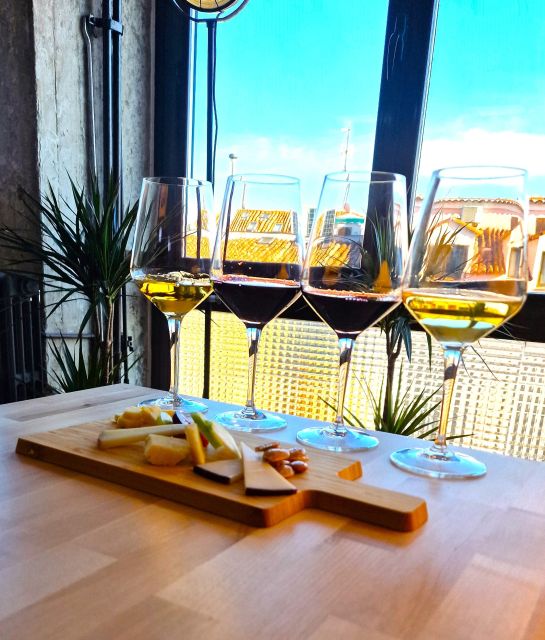
The location is one of the activity’s strongest practical features. You are in central Madrid, near Plaza Mayor, so the tasting can fit neatly into a walking day around the historic center.
The meeting instructions are simple but worth noting. Once you reach the address, go to the second floor and look for door A. This is not a street-level meeting point, so allow a few extra minutes to find the correct door, especially if you are arriving from another sightseeing stop.
Because the activity lasts two hours, it works well as a midday plan or an early evening appointment. The start time varies, so you need to check availability when booking. The central setting also means you can reach it as part of your Madrid itinerary rather than arranging a separate trip outside the city.
There is no information about group size, so I would not book this expecting a private tasting unless that is specifically confirmed. The atmosphere is described as cozy and elegant, but the exact room setup and number of participants are not provided.
Is $59 a fair price?
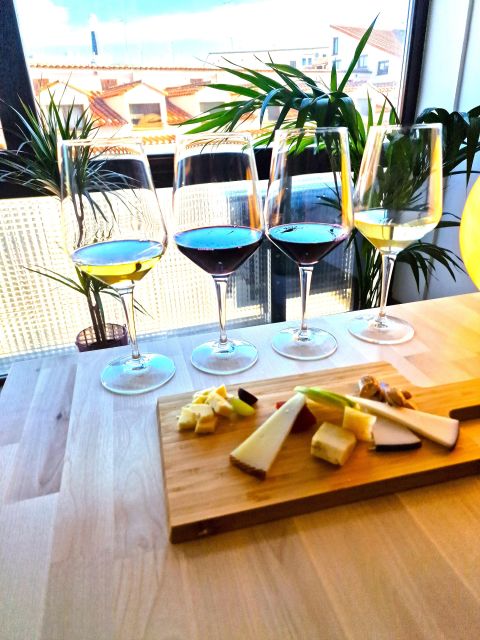
At $59 per person, this tasting is not the cheapest way to eat cheese in Madrid. You could buy cheese and wine for less at a market or shop. That comparison misses the main value, though.
You are paying for four protected-origin cheeses, four Spanish wines, a two-hour hosted session, pairing guidance, and regional food context. If you already know Spanish cheese and wine, the price may feel less compelling. If you want an easy introduction without researching producers, regions, and combinations yourself, it is more reasonable.
The strongest value comes from the range. In one central Madrid sitting, you move from Menorca to Madrid, Murcia, and Asturias on the cheese side, and from Murcia to Andalusia, Castilla-La Mancha, and Valencia on the wine side.
I would also consider the cost of your time. The activity does not require a day trip or a long train ride. For a visitor with only a few days in Madrid, that makes $59 easier to justify than a longer food excursion with added transport costs.
The price is best for people who enjoy guided tastings and want context. It is less suitable if you simply want a large meal, unlimited pours, or a detailed look at specific wineries and vintages.
Who will enjoy this most
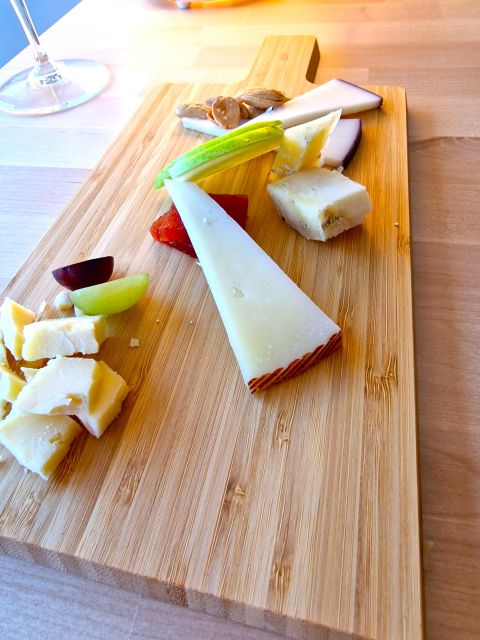
I would recommend this for adults who enjoy trying regional food in a structured setting. It works particularly well for couples, friends, and families with adult children. One of the strongest direct comments described it as a good plan with friends or family, thanks to the quantity, quality, explanations, and service.
It also suits first-time visitors who want a gentle introduction to Spain’s food culture. You do not need prior wine knowledge. The guide’s job is to explain the basics and help you compare the products.
This is a good choice for a rainy afternoon or for a break from monument-heavy sightseeing. It gives you a seated indoor activity in the center of Madrid, with enough substance to feel like a planned part of your trip rather than a quick stop.
You should skip it if you are vegan, pregnant, under 18, or unable to drink alcohol. It is also listed as unsuitable for people with epilepsy, people with a cold, people prone to seasickness, and people with hearing impairments. Some of those restrictions may seem unusual for a seated tasting, but they are part of the stated conditions, so take them seriously when deciding.
Smoking, vaping, alcohol or drug use beyond the tasting, explosive substances, and bare feet are not allowed indoors. The event includes alcohol, but it is presented as a guided tasting rather than a drinking session.
Cancellation and language choices
You can cancel up to 24 hours in advance for a full refund. You can also reserve now and pay later, which helps if your Madrid schedule is still changing.
The session is available in English, Spanish, Italian, French, and Portuguese. When you book, select the language that will let you follow the pairing explanations most easily. The wine and cheese are the same central focus, but the quality of the experience depends heavily on how well you understand the guide.
My verdict: book it for the regional comparisons
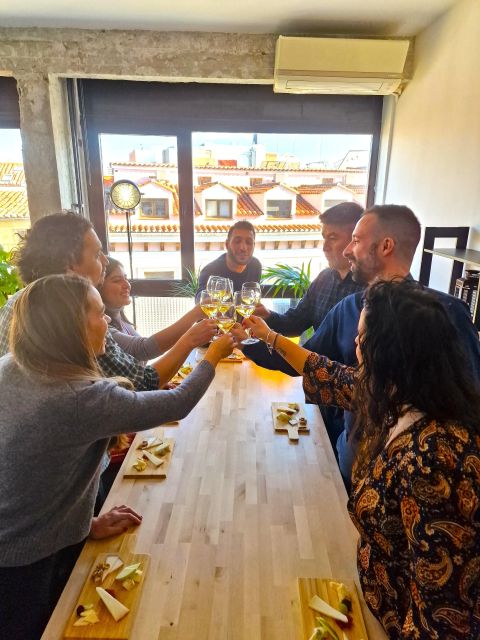
I would book this tasting if you want a compact, well-located introduction to Spanish cheese and wine, especially if you like learning while you eat. The four protected-origin cheeses give the activity a clear purpose, and the regional wine pairings make it more useful than a generic Madrid food stop.
The best reasons to go are the range of products, the central location, and the personal guidance from hosts such as Anthony, Yirelis, or Toni. The main limitations are the fixed two-hour format, the lack of stated producer and vintage details, and the adult-only rules.
For $59, I see good value if you would otherwise spend time trying to decode Spanish cheese counters and wine lists on your own. Book it when you want a relaxed indoor plan near Plaza Mayor, and choose something else if you are seeking a full meal, a winery visit, or an activity suitable for children.
FAQ
How long does the Spanish cheese and wine tasting last?
The tasting lasts two hours.
How much does the experience cost?
The price is $59 per person.
Where does the tasting take place?
It takes place in central Madrid in the Community of Madrid, near Plaza Mayor. At the address, go to the second floor and look for door A.
Which cheeses are included?
The tasting includes Mahón-Menorca cow cheese, Cabezuela goat cheese from Madrid, Murcia cheese with wine, and Gamoneu from Asturias made with sheep’s, goat’s, and cow’s milk.
Which wines are included?
You taste a red wine from Murcia, a fine wine from Andalusia, a white wine from Castilla-La Mancha, and a red wine from Valencia.
What languages are available?
The activity is offered in English, Spanish, Italian, French, and Portuguese.
Can I cancel for a refund?
Yes. You can cancel up to 24 hours in advance for a full refund. You can also reserve now and pay later.
New cheese trips in Spain
- Cheese Factory Workshop with Wine Tasting in Requena, Valencia★ 4.5 · 3 reviews
- Guided Tour Montesdeoca Cheese Factory – Cheese and Wine Tasting★ 4.5 · 6 reviews
- Hike the Cork Oak trail and try some Delicious Cheese★ 5.0 · 12 reviews
- Discover the Art of Idiazabal Cheese in the Basque Country★ 4.5 · 9 reviews
- Private Basque Cheese & Txakoli Wine Tour from San Sebastian★ 5.0 · 20 reviews
- Menorca: Cheesemaking and Farm-Fresh Product Tasting★ 5.0 · 29 reviews
- Mallorca Wine and Cheese Tasting★ 5.0 · 29 reviews
- Madrid Bike Tour with Churros and Wine, Ham, and Cheese Upgrade★ 5.0 · 8 reviews
Wine and Cheese Tastings, compared.
Classic Saloon Boat Cruise with Cheese & Wine
Read our review →
Montmartre Cheese, Wine & Pastry Guided Walking Tour
Read our review →
Evening Candle Light Cruise With Wine & Cheese
Read our review →
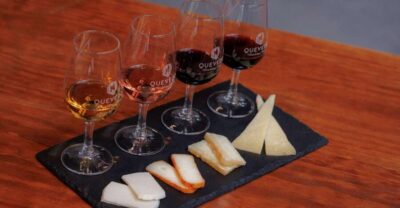
Vila Nova de Gaia: Port Wine Tasting with Cheese Pairing
Read our review →
Private Montmartre Food Tour with Wine, Cheese & Pastries
Read our review →
Paris Le Marais Food Tour With 10+ Tastings, Cheese, Wine & More
Read our review →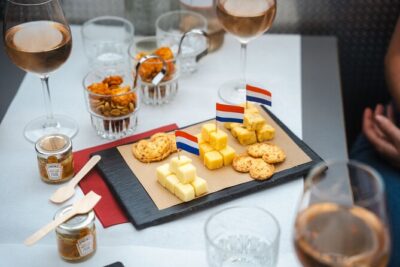
Browse the lists this tour appears in