
Reviewed · WINE AND CHEESE TASTINGS
Orange & Natural Wines Of Greece with Cheese & Olive Oils
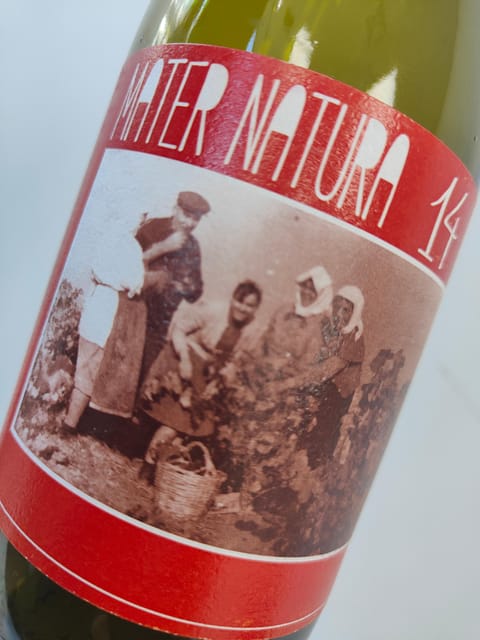
The most interesting part of this one-hour tasting is its focus on Greek wines that rarely appear on ordinary restaurant lists. With Anton, you sample six organic, biodynamic, natural, or orange wines, then match them with cheese, small nibbles, herbs, spices, grape must, and extra virgin olive oils.
I like the unusual wine selection, including limited bottles made in quantities as small as 200. I also like the practical food pairings, which help you understand how powerful flavors work together rather than simply drinking six unrelated samples.
The main consideration is time. One hour goes quickly when you are tasting six wines and discussing their origins, methods, and pairings. This suits a focused introduction, not a long afternoon of leisurely wine-country wandering.
Key points
- Six Greek wines in one hour: Taste organic, biodynamic, natural, and orange styles.
- Anton leads the tasting: Expect clear English, practical explanations, and advice about Greek wine.
- Pairings do real work: Cheese, olive oil, herbs, spices, grape must, and small nibbles show how flavor changes from one bite to the next.
- Ancient methods meet modern technique: Wines may be made in clay amphorae, stainless steel, cement, or oak.
- A strong choice for curious drinkers: The selection includes rare, limited-production bottles and indigenous Greek grape varieties.
- Adults only: Participants must be at least 18, and the activity is not suitable for people over 95.
Greek Wine Beyond the Familiar
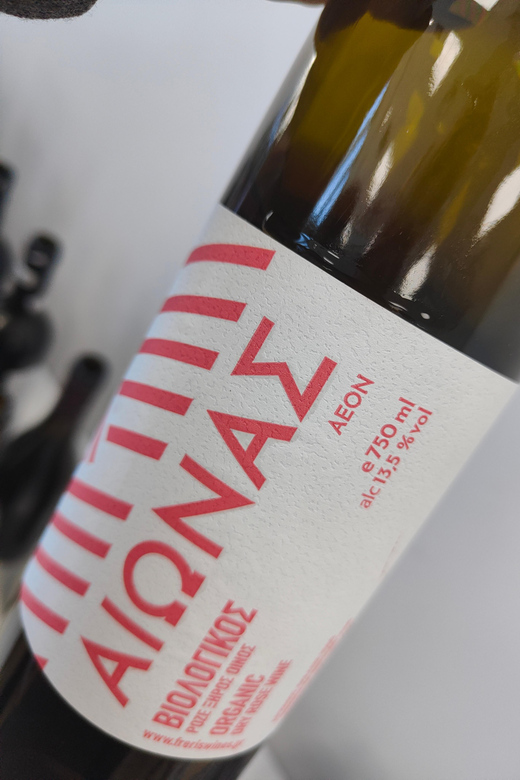
Greek wine can be much more than a familiar white poured beside grilled fish. This tasting puts the spotlight on bottles made with organic, biodynamic, and natural methods, along with orange wines that spend time in contact with grape skins.
That last category can surprise you. Orange wine is made from white grapes treated in a way more often associated with red wine, giving the finished drink deeper color, firmer texture, and sometimes earthy or savory notes. It may not be your favorite style, but it is exactly the kind of wine worth trying with a guide who can explain what is in your glass.
You also get a look at why Greece is well suited to this kind of winemaking. The country has many indigenous grape varieties, dry winds, hot days, and a long tradition of working with local fruit. The selection may include grapes and methods that are unfamiliar even if you already know European wine well.
I like this approach because it treats Greek wine as its own subject. You are not simply tasting versions of French or Italian styles. You are learning how local grapes, climate, old techniques, and current winemaking choices shape the result.
More Wine and Cheese Tastings in Greece:
- From Chania: Olive Oil, Wine, Cheese & Honey Tasting Tour
★ 4.6 · 490 reviews - Athens: Acropolis Wine Tasting with Cheese and Olives
★ 4.9 · 337 reviews - Cheese & Wine Trails – Naxos
★ 5.0 · 29 reviews
Six Glasses, Six Different Ideas
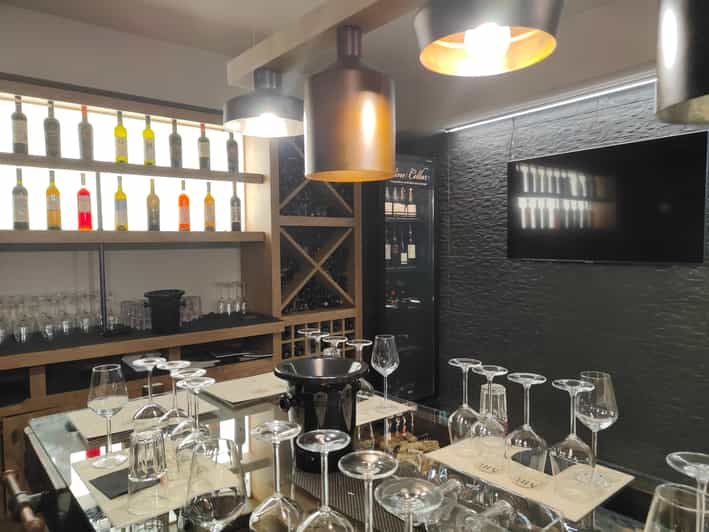
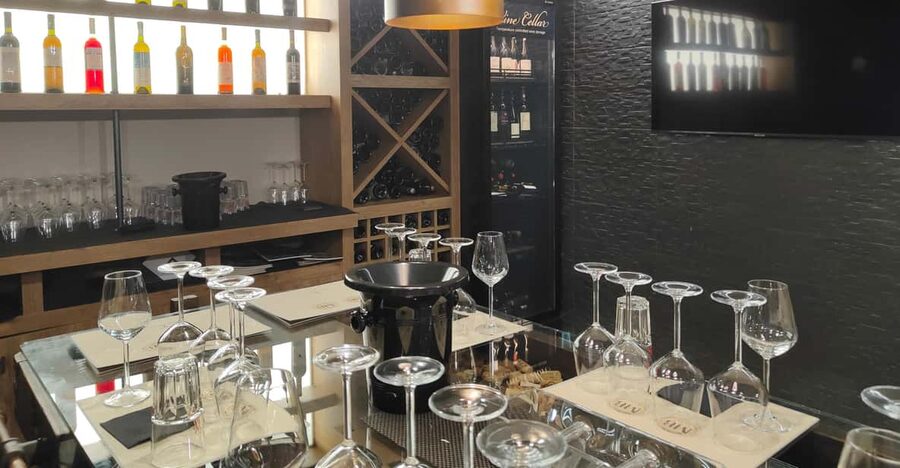
The tasting includes six wines. The exact bottles can vary, but the point is contrast. You may move among organic, biodynamic, natural, and orange examples, allowing you to compare how farming and cellar decisions affect aroma, body, acidity, texture, and finish.
The tasting is led in English by Anton, whose clear explanations and easy manner are a major part of the experience. His style is especially useful if you are new to natural wine and need straightforward answers rather than a lesson packed with technical terms.
You should expect more than a quick pour and a name. The session covers the story behind Greek wine, the importance of organic and natural production, and the way each wine is made. Some bottles use stainless steel, some may use clay amphorae, and others may involve cement, a small influence of oak, or lengthy bottle aging.
That range gives the tasting real purpose. You can compare not only grape varieties but also the vessels and timing used to make the wine. Clay can connect a modern bottle to an old tradition, while stainless steel often preserves a cleaner expression of the fruit. Cement and oak bring different textures and tones.
A one-hour format means the discussion must stay focused. That is helpful if you are fitting the tasting between other plans. It also means you should not expect a full technical seminar on every bottle. The experience works best as a lively introduction with enough detail to guide your next purchases.
Why Ancient Greek Methods Still Matter
Greek winemaking reaches back thousands of years, and this experience connects that past with present-day production. Amphorae, or clay jars, are part of the story, but they are not presented as a museum piece. They are one of several tools modern producers can use.
You may also hear about wines made in plain cement tanks, stainless steel vessels, and barrels. Some are aged for a long time in the bottle. These choices matter because winemaking is not only about the grape. Fermentation, storage, oxygen exposure, and aging all affect what you taste.
I find this especially useful for anyone who has wondered why two wines made from the same type of grape can taste so different. The answer may be the farming method, the vessel, the length of aging, or the winemaker’s decision to keep more of the wine’s natural character.
The phrase natural wine can cover a wide range of styles, so do not assume every glass will taste the same. Some may seem familiar and clean, while others may have stronger aromas or a more textured feel. Anton’s job is to give you a frame for those differences, helping you decide what you enjoy instead of telling you that one style is correct.
Pairings That Explain the Wine
The food is not just decoration. You taste the wines with cheese, small ancient-style nibbles, herbs, spices, condiments, concentrated grape must, and extra virgin olive oils.
This is where the tasting becomes useful for your own meals. A salty cheese can make a wine seem softer or fuller. A sharp herb or spice can bring out a different note. Grape must adds sweetness and concentration, while olive oil changes the texture on your palate.
One principle used during the session is simple: powerful flavors work best with powerful wines, and complex flavors need a wine that can keep up. You do not need advanced tasting skills to understand the idea. Try a bite, take a sip, and notice what changes.
The pairings also help you think beyond the usual cheese and wine formula. Greek food traditions make room for herbs, oils, fruit concentration, and strong seasonings. Those details give you ideas to take home, especially if you want to recreate part of the experience with bottles from the shop.
I would pay close attention to the olive oil portion. Extra virgin olive oil is often treated as a background ingredient, but the session presents it as a product with its own qualities and tasting points. You get a chance to notice how it works with wine and food instead of simply adding it to bread without thought.
More cheese tours worth booking in Greece:
- Crete: Farm Visit with Cheese Tasting and Milking Experience
★ 4.9 · 109 reviews - Cheese and Wine Tasting (Guided Tour INCLUDED)
★ 4.5 · 14 reviews - Beer Tasting Evening Experience in Athens with Greek Cheeses
★ 5.0 · 14 reviews - Naxos Mythology & Ancient Sites Tour with Cheese & Wine
★ 4.5 · 12 reviews
A Closer Look at Extra Virgin Olive Oil
The olive oil element makes this more than a standard wine flight. You are introduced to some of the less obvious features of extra virgin olive oil and how it fits into Greek food culture.
The goal is not only to taste oil on its own. You learn how it behaves alongside wine, cheese, herbs, spices, and other small bites. That can sharpen your palate in a different way from wine tasting, since oil brings texture, bitterness, fruitiness, and peppery notes.
This part also adds value for anyone planning to buy Greek food products. A bottle of oil can be a better souvenir than another generic item, but only if you know what you are looking for. The experience gives you a starting point for comparing oils and understanding why quality matters.
The same applies to concentrated grape must. It connects the wine in your glass with another form of the grape, showing how Greek ingredients can appear in several forms on the table.
Limited Bottles and the Shop Connection
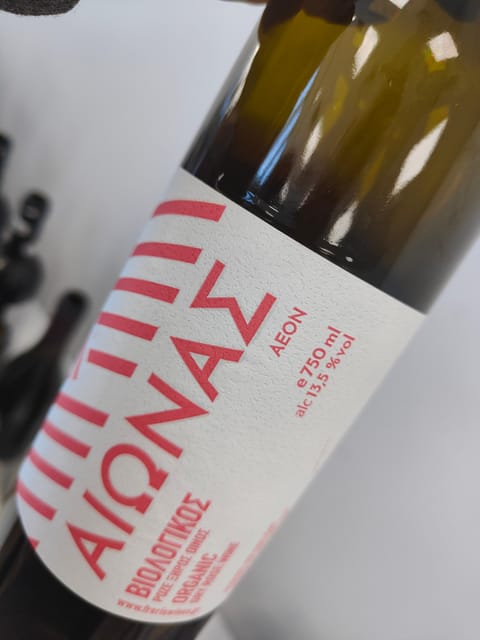
Some of the wines served are made in very small quantities, with production as low as 200 bottles. That is a real advantage if you are tired of seeing the same international labels everywhere.
It also creates a practical buying opportunity. Certain wines are available only through the shop and can be purchased or shipped. You can ask Anton about bottles you enjoyed and learn which ones make sense to take home.
Still, do not book this solely as a shopping stop. The value is in the tasting and explanation first. The limited bottles are an added benefit, especially if you want a souvenir with a clear connection to Greek producers and local varieties.
If you are flying home, check your own airline and customs rules before buying wine or oil. The supplied information confirms that shipping is available for certain bottles, but it does not specify destinations, costs, or delivery times, so ask before committing to a large purchase.
What Anton Adds to the Hour
A good tasting depends on the person pouring the wine. Anton is presented as a professional sommelier and wine-shop owner with a warm, humorous style. His English is strong, and he can explain flavors and production methods in an accessible way.
That matters because natural and orange wines can be unfamiliar. Instead of leaving you to decide that a wine is simply strange, he can explain the choices behind it and suggest how food changes the experience.
He also offers recommendations for other wineries during a trip through Greece. That is useful if you are planning to visit more wine regions or want to continue exploring after this session. The advice is more valuable when you tell him what you normally drink and which of the six samples you prefer.
The setting appears designed for conversation rather than a large formal class. The available information does not state the group size, so you should not assume a private tasting. Still, the personal approach described for Anton suggests that questions are welcome and that the session can respond to your interests.
Is $41 Good Value for One Hour?
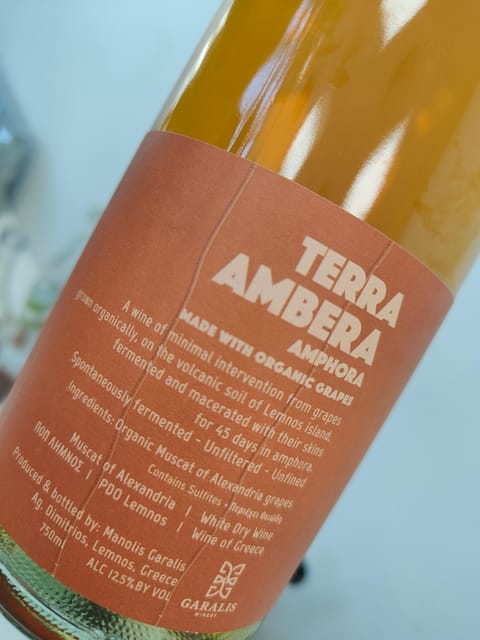
At $41 per person, this is not the cheapest way to drink six small glasses of wine. You are paying for more than the liquid, though. The price includes six wines, nibbles, olive oil, instruction, history, and an explanation of organic and natural winemaking.
The value is strongest if you would otherwise struggle to find these styles on your own. Limited Greek bottles, orange wines, and lesser-known indigenous grapes can be difficult to compare without guidance. Six samples in one sitting let you test a broad range before buying a full bottle.
The pairing element also improves the value. You are not only tasting wine but learning how to use it with food. That practical lesson can help you order better at Greek restaurants and choose more wisely in a wine shop.
The price is less compelling if you are looking for a long, relaxed food tour or a vineyard visit. This is a compact urban tasting, with no stated vineyard walk, transportation, or meal. Think of it as a focused introduction rather than a full day in the countryside.
Who Should Book This Tasting?
I would recommend it to adults who enjoy trying unfamiliar wine styles and want a clearer understanding of Greek bottles. It is particularly useful if you already like small-production wine, old grape varieties, or food pairings.
It also suits curious beginners. You do not need to know the difference between organic, biodynamic, natural, and orange wine before arriving. Anton’s explanations are meant to make those terms easier to understand.
This may not be the right pick if you prefer only classic, highly polished wines or if you want a large meal with your tasting. Natural wine can show more unusual aromas and textures, and the food is described as nibbles rather than lunch or dinner.
The age limits are firm in the supplied details. Children under 18 cannot take part, and the activity is not suitable for people over 95. The session is offered in English.
Practical Timing and Booking Advice
The experience lasts one hour, so allow yourself enough time to arrive without rushing. Check the available starting times when booking, since the schedule is not fixed in the information provided.
The reservation terms are useful for uncertain plans. You can reserve now and pay later, and cancellation is free up to 24 hours in advance for a full refund. That gives you flexibility, but you should still confirm the exact time before making other plans around it.
Because the session is short, avoid booking it when you need to hurry straight to a train, flight, or timed attraction. Wine tasting is more enjoyable when you have a little breathing room afterward.
Should You Book It?
Book this experience if you want a compact, well-guided introduction to the less familiar side of Greek wine. The strongest reasons are the six carefully chosen styles, Anton’s approachable instruction, the food and olive oil pairings, and access to rare bottles that may be hard to find elsewhere.
Skip it if your main goal is a vineyard visit, a full meal, or several hours of countryside scenery. At $41, it offers good value for focused tasting and education, but not for a full wine-day itinerary.
For most adults with an open mind and one free hour, I would book it early in a Greece trip. You can use what you learn when ordering wine, visiting other wineries, and choosing bottles to take home.
FAQ
How long does the wine tasting last?
The experience lasts one hour.
How many wines will I taste?
You will taste six wines.
What kinds of wine are included?
The tasting includes organic, biodynamic, natural, and orange wines from Greece.
Is food included?
Yes. Nibbles and cheese are included, along with extra virgin olive oils and other pairing ingredients.
Is olive oil part of the experience?
Yes. You will learn about and taste extra virgin olive oil, including how it works with wine and food.
Who leads the tasting?
Anton leads the tasting in English. He is described as a professional sommelier and wine-shop owner.
Is the activity suitable for children?
No. Children under 18 are not permitted.
Can I cancel for a refund?
Yes. You can cancel up to 24 hours in advance for a full refund.
Can I reserve without paying immediately?
Yes. You can reserve now and pay later, keeping your plans flexible.
New cheese trips in Greece
- Naxos Farm Experience and cheese making★ 5.0 · 5 reviews
- Naxos Mythology & Ancient Sites Tour with Cheese & Wine★ 4.5 · 12 reviews
- Ios: Cooking Experience with Cheese and Wine Tasting★ 5.0 · 6 reviews
- Culture & Taste Tour★ 5.0 · 6 reviews
- Cheese and Wine Tasting (Guided Tour INCLUDED)★ 4.5 · 14 reviews
- Cretan Farm Tour with Cheese-Making, Olive Oil Tasting & Picnic★ 5.0 · 10 reviews
- Explore Shepherd’s Hut and Cheese Making Process★ 5.0 · 2 reviews
- Cheese and Wine Tasting Tour From Chania★ 5.0 · 7 reviews
Wine and Cheese Tastings, compared.

Classic Saloon Boat Cruise with Cheese & Wine
Read our review →
Montmartre Cheese, Wine & Pastry Guided Walking Tour
Read our review →
Evening Candle Light Cruise With Wine & Cheese
Read our review →
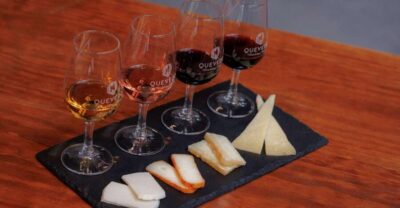
Vila Nova de Gaia: Port Wine Tasting with Cheese Pairing
Read our review →
Private Montmartre Food Tour with Wine, Cheese & Pastries
Read our review →
Paris Le Marais Food Tour With 10+ Tastings, Cheese, Wine & More
Read our review →
Browse the lists this tour appears in