
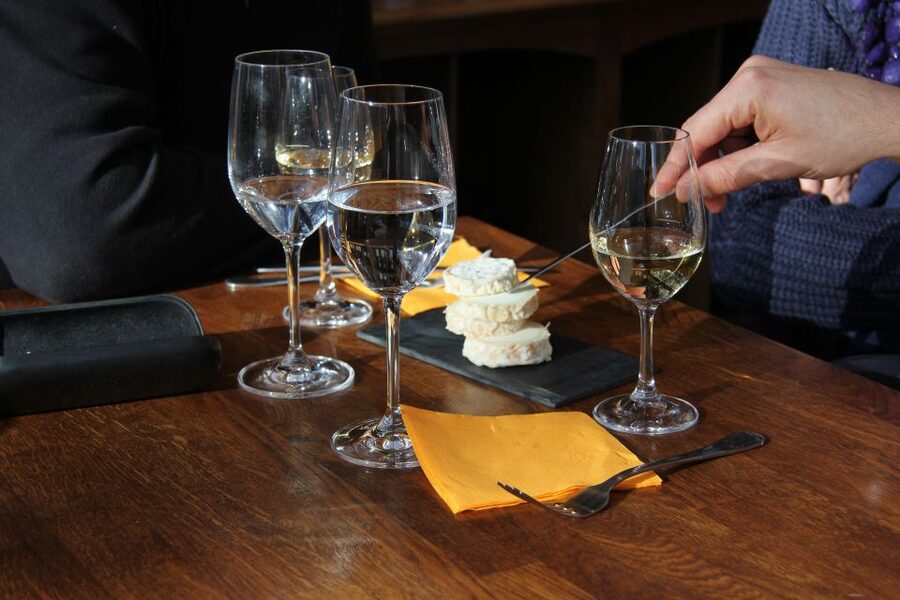
Reviewed · WINE AND CHEESE TASTINGS
Paris: Wine and Cheese Tasting
French wine makes more sense when you can see where it comes from, feel samples of the soil, and taste it beside cheese. This 90-minute tasting takes place in a working Paris wine shop, where maps and soil samples turn an abstract lesson about terroir into something you can grasp.
I like the small groups of up to eight and the chance to taste bottles from independent producers rather than only famous labels. I also like the relaxed, helpful teaching style, with guides such as Camille, Julian, and Constance praised for explaining grapes, regions, and food pairings clearly. The main drawback is that this is a boutique, not a restaurant, so toilet access may be limited, and the meeting point can vary by booking option.
Key points at a glance
- Three French wines from small producers: Taste reds, whites, or rosés selected around the group’s interests.
- Terroir made practical: Maps and real soil samples help explain why French wine varies so much from one region to another.
- Cheese pairing included: Try the wines with hard and soft cheeses, plus bread and water to refresh your palate.
- A genuinely small group: With no more than eight people, you can ask questions without shouting across a room.
- Bilingual instruction: Sessions are offered in English or French, with guides including Camille, Julian, and Constance.
- A shop where you can buy favorites: If a bottle catches your attention, you can purchase it after the tasting, though shopping is optional.
Inside the Paris cave à vin
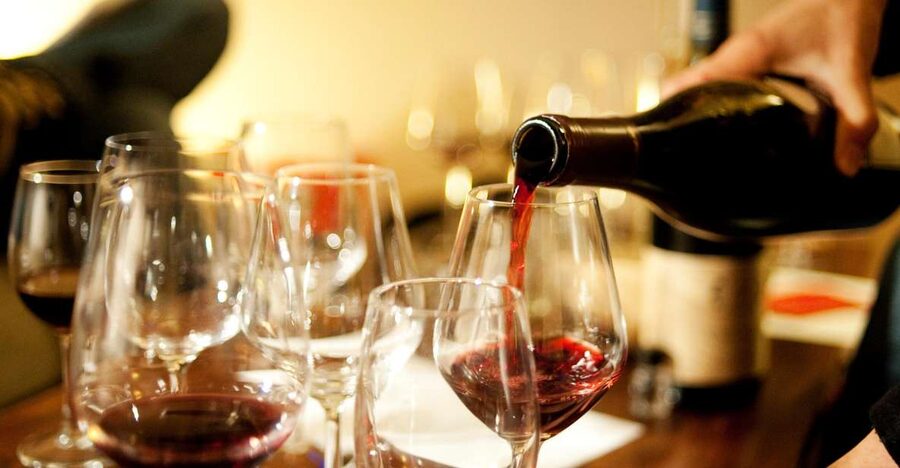
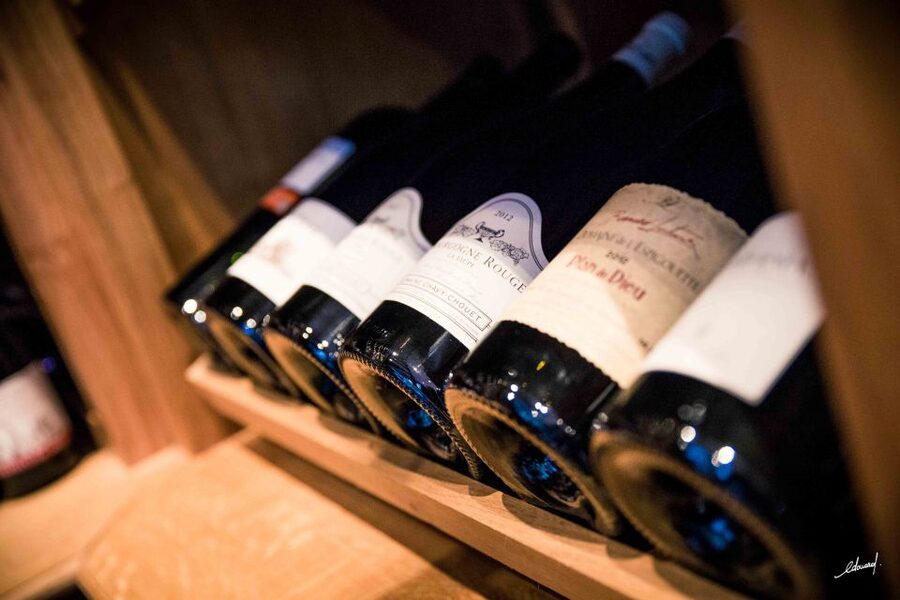
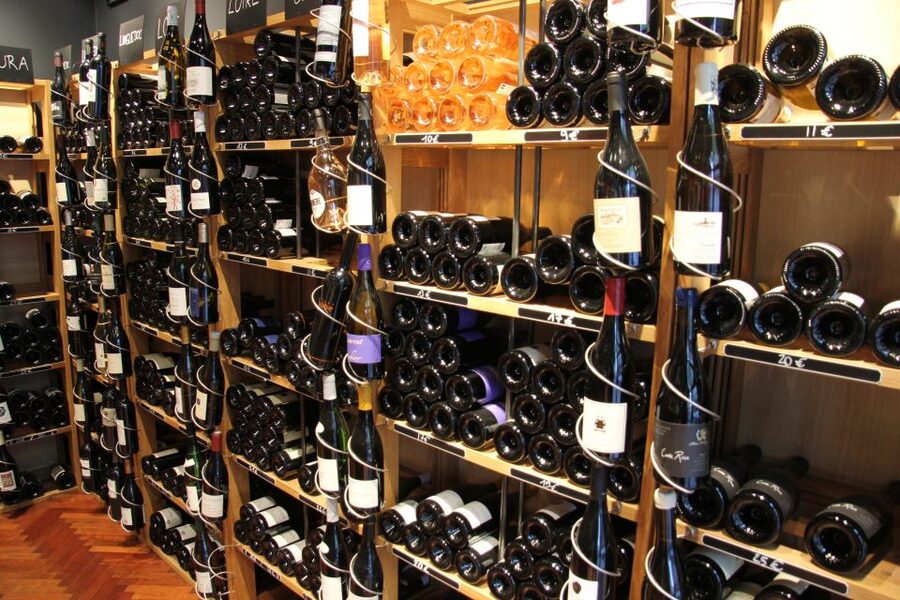
You begin in a cave à vin, the French term for a wine shop or cellar. Expect shelves filled with reds, whites, and rosés from different parts of France rather than a formal restaurant dining room.
That setting matters. You are surrounded by actual bottles for sale, so the tasting feels connected to everyday French wine culture. You are not simply sampling anonymous pours in a hotel meeting room. You can look at the labels, ask where the wines came from, and decide if one deserves a place in your luggage.
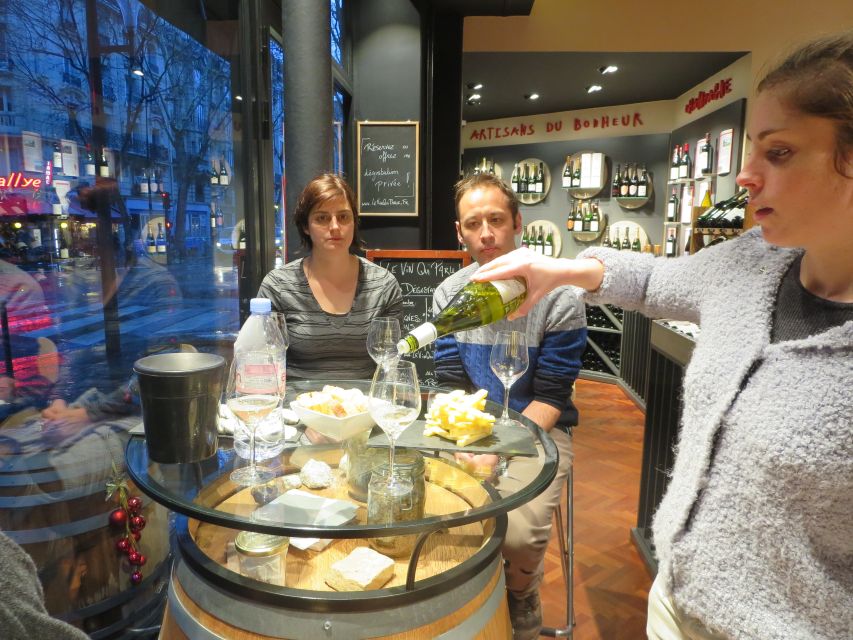
The tasting area is prepared inside the boutique. Staff greet you, settle you in, and introduce the wine guide. Since the group is capped at eight, the session should feel more like a conversation than a lecture. That is useful if you are new to wine and want to ask basic questions without feeling out of place.
The shop setting also has limits. This is not a full meal, and you should not expect restaurant facilities. Bread, water, wine, and cheese are provided, but the experience is built around tasting rather than lunch. Toilet access may not be easy or readily available, so plan accordingly before you arrive.
More Wine and Cheese Tastings in France
- Paris: Montmartre Cheese, Wine & Pastry Guided Walking Tour
★ 4.8 · 2,255 reviews - Private Montmartre Food Tour with Wine, Cheese & Pastries
★ 5.0 · 1,027 reviews - Paris Le Marais Food Tour With 10+ Tastings, Cheese, Wine & More
★ 5.0 · 985 reviews
Maps, soil, and the meaning of terroir
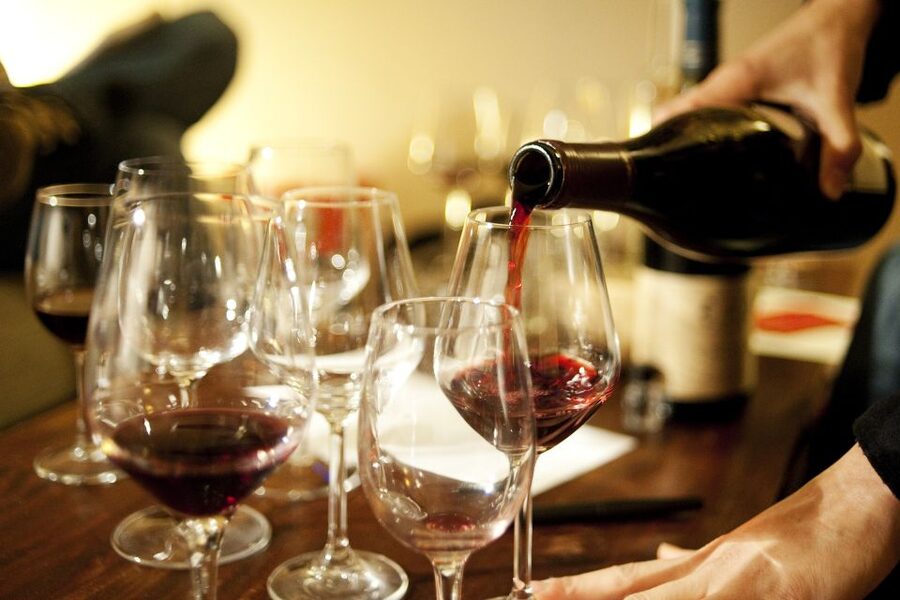
The most useful part of the introduction is the explanation of French wine regions. Your guide uses maps and authentic soil samples to show how geography affects what ends up in your glass.
Terroir is often treated as a fancy wine word, but this presentation gives it a physical meaning. Soil, terrain, climate, and local growing conditions all help shape the grapes. France has a wide range of regions and growing conditions, which helps explain why its wines can vary so much even when the labels seem equally French.
You will also hear about grape differences and wine production. The aim is not to turn you into a sommelier in an hour and a half. It is to give you a working vocabulary and a few reference points, so the next French wine menu feels less intimidating.
I especially like the use of soil samples. A map can show distance, but touching different soils gives you a stronger sense that wine begins in a place, not just in a bottle. This is a modest teaching tool, yet it helps connect the regions, grapes, and finished wines.
Guides take different approaches, and that is part of the appeal. Camille is praised for being warm and helpful, Julian for explaining varieties and pairings, and Constance for guiding the session clearly in English. Your guide may tailor the talk to the group, so the exact emphasis can change.
Choosing three wines from independent producers
The standard tasting includes three wines. The selection may include red, white, or rosé wines from different parts of France, with the guide choosing bottles based on the group’s interests.
You can ask for direction if you already know what you like. Perhaps you prefer crisp whites, fuller reds, or something completely unfamiliar. The guide can shape the tasting around those preferences while still introducing new varieties.
The focus on small, independent producers is one of the strongest reasons to book this experience. You are less likely to spend the session tasting only the most obvious supermarket names. Instead, you have a chance to discover bottles that show a more personal style of production.
The exact bottles are not fixed in the information provided, and that is worth noting. You should not book expecting a particular famous appellation or vintage. The strength is the explanation and the range, not a guaranteed list of labels.
Some sessions have included four wines or a surprise pour at the end, but the standard format is three. Treat any extra tasting as a bonus, not part of the promise. The same goes for the cheese count, since the main description focuses on a hard cheese and a soft cheese, while the inclusions refer to three types of cheese.
The cheese pairing is more than a snack
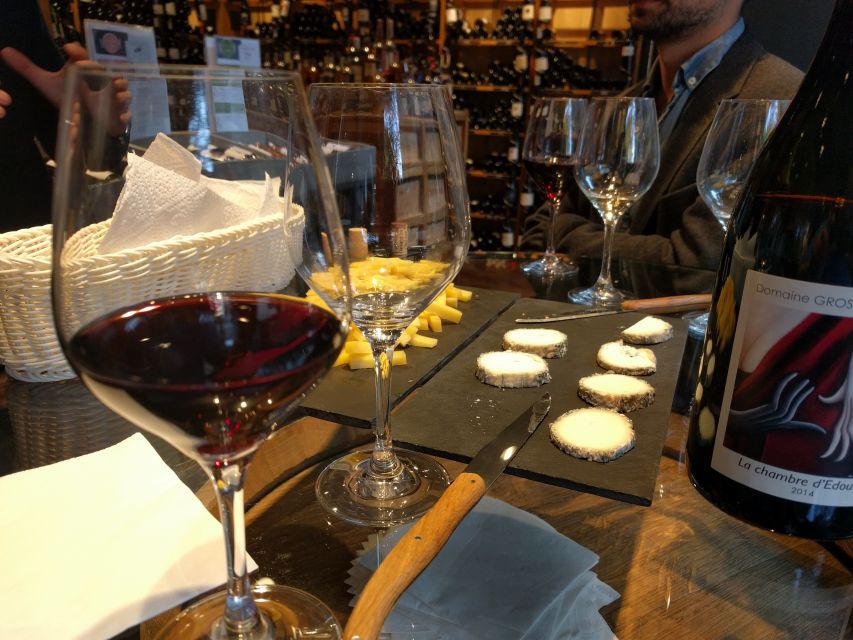
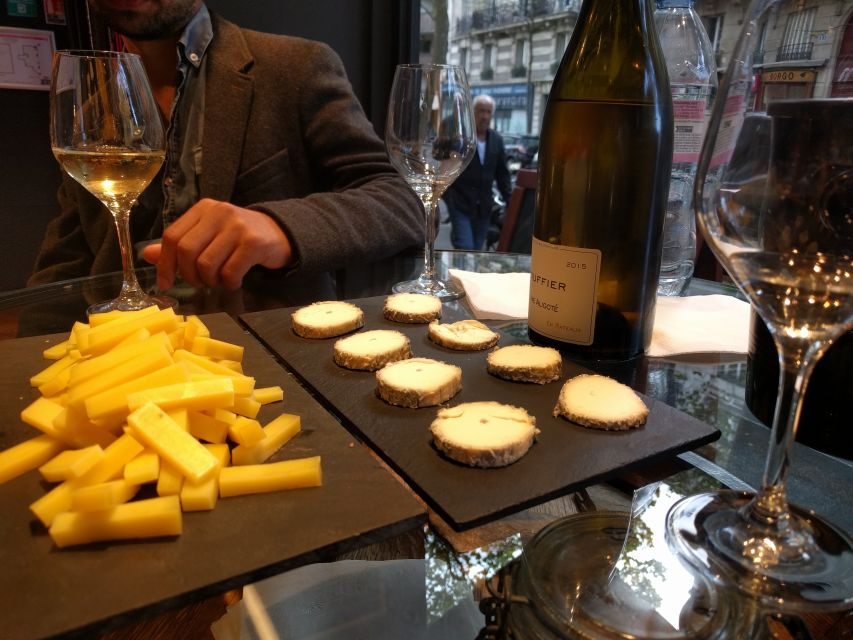
The cheese is there to show how food changes wine. You taste a wine on its own, then try it with cheese, and notice how the flavors shift.
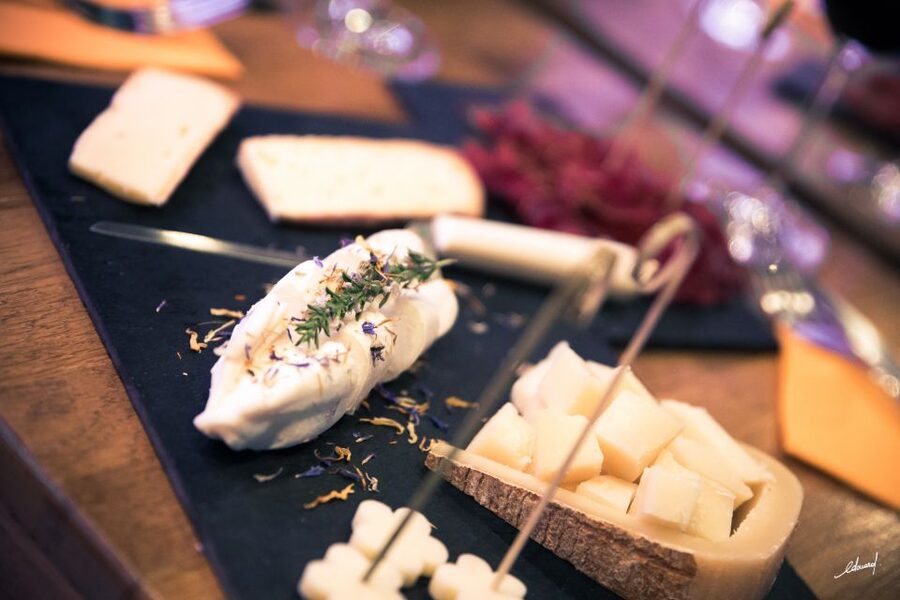
The usual pairing includes a hard cheese and a soft cheese sourced from a nearby artisanal cheese shop. Bread helps clear the palate, and water keeps the tasting comfortable. These small additions matter because repeated wine tasting can quickly blur your sense of flavor.
A hard cheese may make a wine seem rounder or bring out its fruit. A soft cheese can create a different balance, changing the way you notice acidity, texture, or finish. Your guide shows you which combinations work best rather than leaving you to guess.
I like this part because it gives you something concrete to remember. Regional wine theory can fade once you leave the shop, but the lesson that one cheese improves a certain wine is easy to use at home or at a Paris market.
This is still a tasting, not dinner. If you are hungry, eat beforehand or plan a meal afterward. The portions are intended for sampling and comparison, not for filling you up.
More Wine and Cheese Tastings in Paris
- Paris: Wine and Cheese Lunch
★ 4.9 · 596 reviews - Cheese & Wine Tasting in Montmartre with Local Cheesemonger
★ 5.0 · 470 reviews - French Wine, Champagne And Cheese Tasting Paris SECRET WINE DOOR
★ 5.0 · 464 reviews - Paris Wine Tasting plus Cheese Lunch with an Expert Sommelier
★ 5.0 · 424 reviews
A teaching style that suits beginners
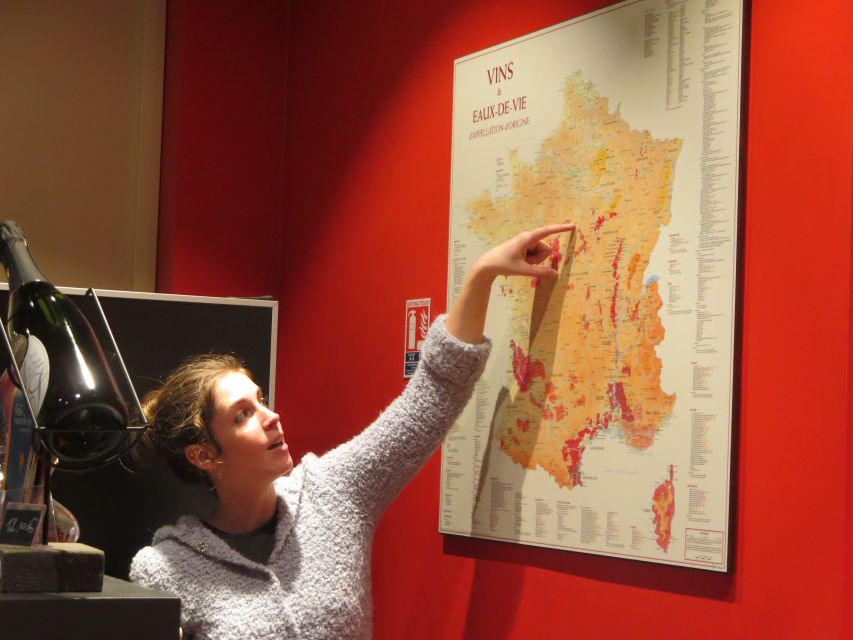
You do not need a strong wine background. One of the best features of this activity is that guides explain the basics without making the session feel like an exam.
You can learn how grapes differ, how French wines are produced, and how to think about flavor. A basic wine drinker can leave with more confidence, while someone who already knows a little can ask more detailed questions about regions and pairings.
The guide is also there to answer questions as they come up. That personal contact is easier in a group of eight than in a large tasting room. If you are unsure how to describe what you taste, you can listen to how the guide frames it and then use those ideas yourself.
The available languages are English and French. English-speaking visitors have specifically found guides such as Constance, Camille, and Julian easy to follow. Still, guide assignments can vary, so the name of your host is not guaranteed.
The mood is relaxed rather than stiff. You are in a shop, seated around a prepared tasting area, with bottles and staff nearby. That makes this a comfortable choice for couples, friends, and first-time wine tasters who want useful information without an overly formal class.
What the 90 minutes feel like
The session has a clear rhythm:
- You arrive at the boutique and settle into the tasting area.
- The guide introduces French wine regions, grapes, production, and terroir.
- You taste the selected wines and discuss their flavors and origins.
- You compare the wines with hard and soft cheeses.
- Bread and water refresh your palate between samples.
- You can ask questions and may have the chance to buy a favorite bottle afterward.
Ninety minutes is enough time for a proper introduction without taking up an entire afternoon. I would place it between other Paris plans rather than treating it as the main event of the day.
The meeting point may differ depending on the option you book, so read your confirmation carefully. That is especially important if you are arranging lunch, a museum visit, or a train departure nearby.
The experience is led live in English or French. It is not a self-guided tasting, and the value comes from the guide’s explanations. If you want only a quick drink and a snack, this will feel too instructional. If you want to understand what you are tasting, the format earns its time.
Is $76 a fair price?
At $76 per person, this is not a bargain glass of wine. You are paying for three tastings, cheese, bread, water, a live guide, and a lesson about French wine in a small group.
The price makes more sense if you value personal instruction. A large public tasting might offer more pours for less money, but it may not give you the same chance to ask questions or compare wine and cheese with guidance.
The independent-producer focus adds value for curious drinkers. You are not only sampling familiar labels. You may discover a bottle you want to buy, and several people have left with one of the wines they tasted. That purchase is optional, so you can enjoy the session without committing to more spending.
The experience is less valuable if you want a full meal, a grand cellar tour, or a long list of rare wines. None of those is the point. This is a compact lesson with food pairings in a Paris shop.
The booking terms also add flexibility. You can cancel up to 24 hours ahead for a full refund, and you can reserve now while paying later. Check the exact option details, especially since the meeting point may vary.
Who should book this tasting?
I would recommend it to first-time visitors who want a friendly introduction to French wine. It also works well for people who drink wine casually but would like to understand regional differences and food pairing.
Couples and small groups will appreciate the intimate format. It can also suit a solo visitor, since a small table and a live guide make it easier to meet others than at a private bottle shop visit.
This is a good choice for a mixed group. One person can be a serious wine fan while another is just curious. A past participant who did not usually drink wine still found the event worthwhile because the guide explained the subject in a welcoming way.
You might skip it if:
- You want a substantial meal.
- You need guaranteed restroom access during the session.
- You expect a specific list of famous wines.
- You prefer a large, lively tasting with many different pours.
- You have little interest in learning about wine production or terroir.
If you are sensitive to alcohol or simply want to taste without drinking every pour, a spittoon is provided. That lets you take part without consuming everything in your glass.
My practical take before you book
I would schedule this when you have a free 90-minute window and a relaxed afternoon ahead. Wine tastings are more enjoyable when you do not have to rush away for a timed attraction.
Eat something light beforehand, but leave room for the cheese. Bring questions. Ask why one wine works with the hard cheese and another works with the soft cheese. Ask about the region, grape, and producer. The guide can tailor the experience more effectively when you show interest.
Do not expect every session to be identical. The wines are selected around the group, and the guide may offer an extra pour or surprise tasting, but the reliable format is three wines with cheese, bread, and water.
Also, keep your shopping expectations sensible. The boutique sells wines from independent producers, and you may find a bottle you want to take home. But the point is to taste and learn, not to pressure you into buying.
Should you book Paris Wine and Cheese Tasting?
Book it if you want a personal, beginner-friendly way to understand French wine without leaving central Paris for a vineyard. The best parts are the small group, the soil samples, the independent bottles, and the practical cheese pairings.
At $76, it is a considered purchase, but the cost is fair for a live 90-minute lesson with food and wine in a group limited to eight. I would choose it over a generic tasting if you care about learning why French wine differs from region to region.
Skip it if you want dinner, a large number of wines, or guaranteed facilities. For everyone else, especially curious first-time tasters, this is a useful and enjoyable pause in a Paris itinerary.
FAQ
How long does the Paris wine and cheese tasting last?
The tasting lasts 90 minutes.
How many wines are included?
The standard experience includes three types of wine. Some sessions may include an additional pour or surprise tasting, but that is not guaranteed.
How many cheeses are included?
The main tasting description features a hard cheese and a soft cheese from a nearby artisanal cheese shop. The listed inclusions refer to three types of cheese, so the exact number may depend on the option booked.
Where does the tasting take place?
It takes place in a Paris cave à vin, or wine boutique. The exact meeting point may vary depending on the option you select.
Is the tasting offered in English?
Yes. The experience is offered in English and French.
How large is the group?
The group is limited to eight participants.
Are bread and water included?
Yes. Bread and water are provided as palate cleansers during the tasting.
Can I avoid swallowing the wine?
Yes. A spittoon is provided for anyone who wishes to use it.
Are toilets available?
Toilets may not be readily available or easy to access in the boutique, since the tasting does not take place in a restaurant.
Can I cancel my booking?
You can cancel up to 24 hours in advance for a full refund. The reserve-now, pay-later option is also available, depending on the booking terms.
New cheese trips in Paris
- Paris: Wine and Cheese Pairing★ 5.0 · 4 reviews
- Paris Wine with Cheese Pairing & Tasting Small Group Class★ 5.0 · 6 reviews
- Paris Wine and Cheese Tastings Class near Le Marais★ 5.0 · 4 reviews
- French Wine and Cheese Master Class Near the Eiffel Tower★ 5.0 · 6 reviews
- Paris Marché d’Aligre Walking Tour with Chocolate and Cheese Tasting★ 3.5 · 24 reviews
- Paris Wine and Cheese Pairing Private Masterclass in a Bistrot★ 5.0 · 7 reviews
- Wine and cheese tasting at Latin Quarter★ 5.0 · 15 reviews
- Wine & Cheese in Montmartre: A True Taste of France 6-ppl Max★ 5.0 · 6 reviews
Wine and Cheese Tastings, compared.
Classic Saloon Boat Cruise with Cheese & Wine
Read our review →
Montmartre Cheese, Wine & Pastry Guided Walking Tour
Read our review →
Evening Candle Light Cruise With Wine & Cheese
Read our review →
Vila Nova de Gaia: Port Wine Tasting with Cheese Pairing
Read our review →
Private Montmartre Food Tour with Wine, Cheese & Pastries
Read our review →
Paris Le Marais Food Tour With 10+ Tastings, Cheese, Wine & More
Read our review →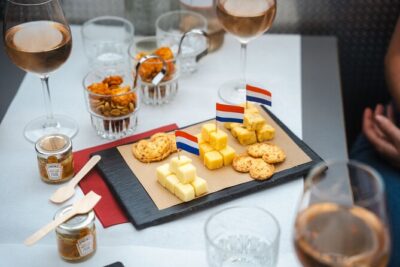
Browse the lists this tour appears in