Reviewed · WINE AND CHEESE TASTINGS
Sofia: Wine & Cheese Tasting Experience
Bulgaria’s wine story is the real star here. At Tempus Vini, you taste five wines from across the country, including rare Bulgarian grape varieties, while learning how winemaking has shaped the country for roughly 5,000 years. It is a neat way to meet Bulgaria through its vineyards rather than only through its churches and ruins.
I like the small-shop setting, which keeps the tasting personal, and the pairing of local cheeses with artisanal bread sticks. I also like the range: white, rosé, red, and sometimes orange wine, with enough variety to suit different tastes.
The main thing to watch is timing. The official length is one hour, but several sessions have run closer to two, especially when questions and conversation get going. If you have a dinner reservation afterward, leave room in your schedule.
Key points at a glance
- Five Bulgarian wines: Taste wines from several Bulgarian regions, with an emphasis on local grapes and boutique producers.
- A history lesson with a glass in hand: Learn how Bulgaria’s 5,000-year wine tradition connects with its regions and culture.
- Cheese pairings included: Local craft cheeses and bread sticks give you something useful to eat between tastings.
- A personal host: Kalin, the shop owner, commonly leads the session and explains both the bottles and the wider wine trade.
- Central Sofia location: Tempus Vini is at 81 Knyaz Boris I Street, making this easy to fit into a city day.
- Good value at $21: Five pours, food pairings, water, and an hour or more of instruction make this a modestly priced Sofia activity.
Why Bulgarian wine makes this tasting worthwhile
Bulgaria is an old wine country that many visitors know surprisingly little about. Winemaking here reaches back about 5,000 years, yet Bulgarian bottles remain less familiar internationally than wines from Italy, France, or Spain.
That unfamiliarity gives this tasting a clear purpose. You are not simply sampling five drinks. You are being introduced to grapes and producers you are unlikely to encounter in a standard international wine bar. The focus is on local character, regional differences, and the newer boutique wineries bringing attention back to Bulgarian wine.
The selection is meant to show range rather than hammer home one style. You might taste a Moscato, a rosé, an orange wine, and two reds. The exact bottles can change, but the idea remains the same: compare different colors, grapes, regions, and winemaking methods in one sitting.
The experience is particularly useful if you do not know what Bulgarian wine tastes like. A countrywide overview in five glasses gives you a starting point. You can decide which styles suit you, then ask the host for a bottle to buy from the shop.
More Wine and Cheese Tastings in the world:
- Amsterdam: Classic Saloon Boat Cruise with Cheese & Wine
★ 4.6 · 27,035 reviews - Paris: Montmartre Cheese, Wine & Pastry Guided Walking Tour
★ 4.8 · 2,255 reviews - Amsterdam: Evening Candle Light Cruise With Wine & Cheese
★ 4.6 · 1,774 reviews
Arriving at Tempus Vini on Knyaz Boris I Street
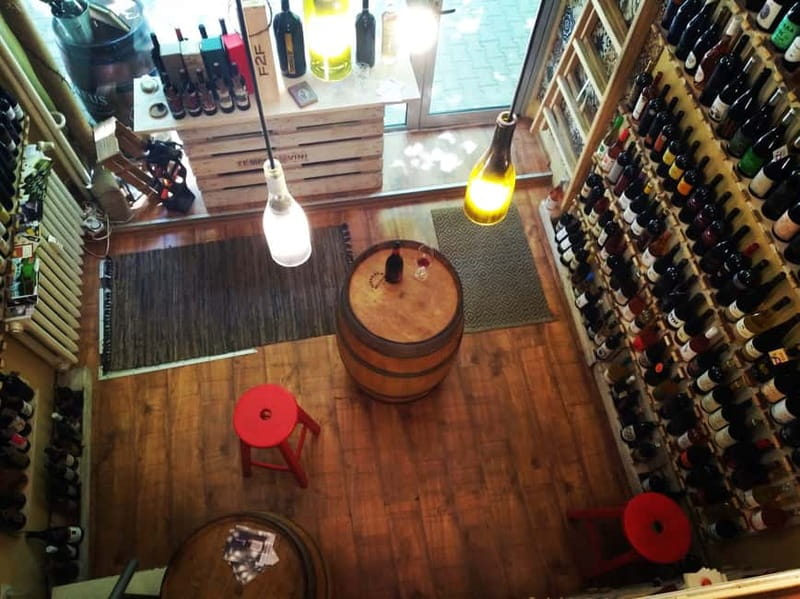
The meeting point is Tempus Vini Wine Point, a small boutique wine shop at 81 Knyaz Boris I Street in central Sofia. This matters because the experience is not held at a grand cellar or a vineyard outside town. You walk into an operating wine shop, surrounded by bottles and local products, and begin the tasting there.
Give yourself a few extra minutes to find the entrance. One person arriving after a delayed flight found the next-day arrangement helpful, while another arrived rushed after having trouble locating the shop. The practical lesson is simple: use the full address and remember that you are looking for a shop, not a large tour office.
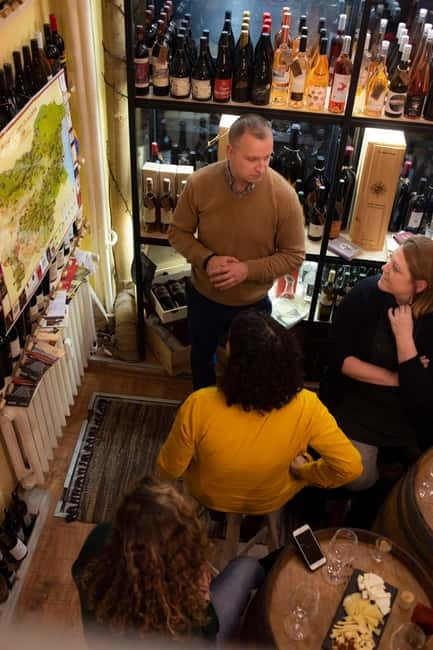
For a small party, the tasting takes place in the shop itself. That creates a cozy, informal feel and makes it easier to ask questions. For larger groups, the session may move to a nearby multimedia room with special tasting equipment. The exact atmosphere therefore depends partly on group size.
The room is also a social part of the experience. You may be seated with couples, friends, or solo visitors from several countries. That can make the tasting more lively, though you should not expect a private appointment unless your booking happens to be small.
Meeting the host and hearing Bulgaria’s wine story
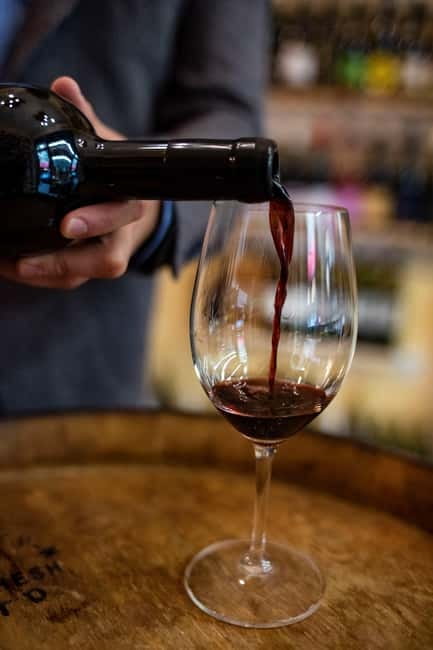
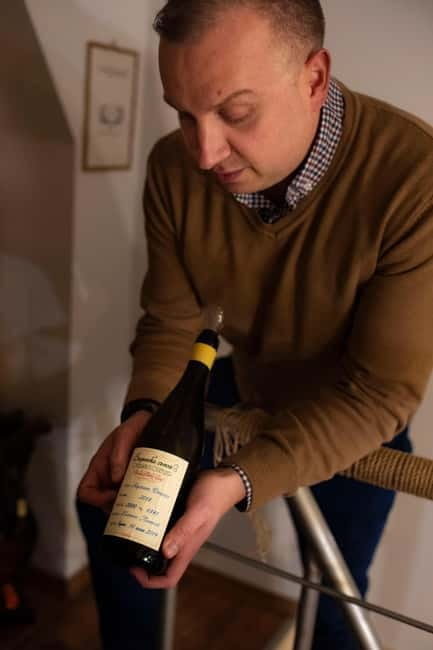
Kalin, the shop owner, is commonly the person guiding the tasting. His role gives the session a useful advantage: he is not simply reading a script about Bulgarian wine. He can explain the bottles sold in the shop, answer questions about production, and suggest wines based on what you like.
Some sessions have been led by people named Peter or Karin, so the host can vary. The important point is that the presenter is an English-speaking member of the Tempus Vini team, with Bulgarian also available.
The opening talk places the tasting in context. You learn about Bulgaria’s old winemaking tradition, the country’s different production areas, and how wine fits into Bulgarian culture. The subject can reach beyond the bottle in front of you, linking wine with geography, trade, and changes in Bulgarian production over time.
I like this part because it keeps the tasting from becoming a string of disconnected pours. You learn why a wine comes from a particular part of the country and what makes Bulgarian grapes worth seeking out. The explanations are aimed at ordinary drinkers, not only people who can already identify tannin levels by scent.
Kalin also has a personal connection to production, and some sessions include wines made by Tempus Vini or by the host’s own winery. That can make the discussion more direct. You may hear how a particular wine was made rather than receiving only a broad description of Bulgarian wine.
The five-glass tasting: variety over volume
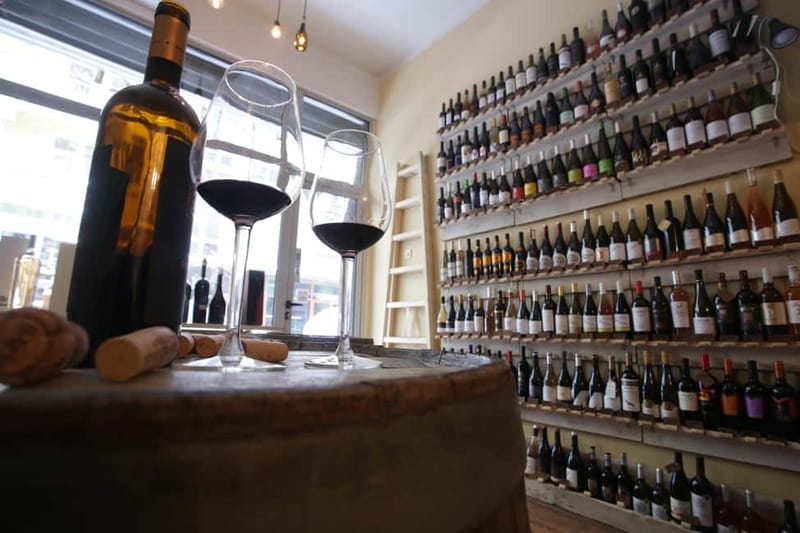
The advertised tasting includes five local wine varieties. The wines are served in one glass, with the host moving through the selection in a way designed to build intensity and aromas.
That arrangement is practical in a small shop. You do not need a fresh glass for every pour, and the focus stays on comparing the wines rather than managing a formal restaurant-style service. If you are accustomed to professional tastings with separate glasses, this will feel simpler, but it suits the relaxed setting.
The selection can include several styles:
- White wine, including Moscato-style examples
- Rosé
- Orange wine
- Two red wines
- Wines made from Bulgarian grapes, sometimes blended with international varieties
Orange wine is an especially useful inclusion. It gives you a style that many casual drinkers have not tried and shows that Bulgarian producers are not limited to traditional reds and whites. One tasting participant particularly enjoyed its complex character, but your own preference may land elsewhere.
The point is not to rank the wines. It is to notice how different they can be. One may smell floral, another may feel fuller or more structured, and a third may offer a style you rarely find at home. You do not need technical vocabulary. Ask what you like, what you do not like, and which bottle would pair best with a Bulgarian meal.
One detail worth knowing: a few descriptions refer to four wines rather than five, while the advertised format calls for five. This may reflect a particular session or a change in the selection. If the exact count matters to you, confirm it when booking.
More cheese tours worth booking in the world:
- Amsterdam Classic Saloon Boat Cruise with Drinks and Cheese
★ 5.0 · 31,825 reviews - Krakow–Zakopane: Cable Car, Chocholow Baths, Cheese & Vodka
★ 5.0 · 10,720 reviews - Krakow–Zakopane: Cable Car, Chocholow Baths, Cheese & Vodka
★ 4.8 · 8,989 reviews - Amsterdam: Guided Zaanse Schans, Windmills & Cheese Tour
★ 4.4 · 4,826 reviews
Bulgarian cheeses make the tasting more useful
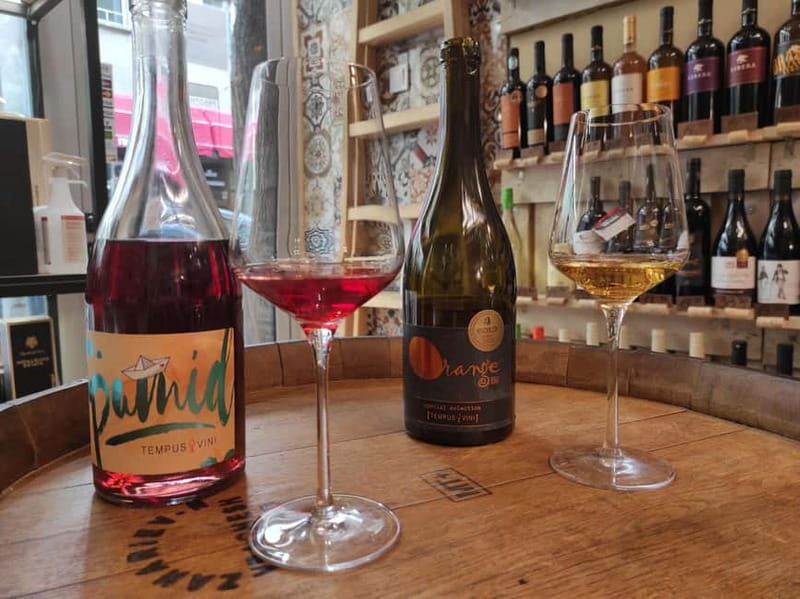
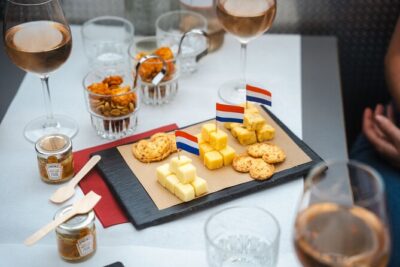
Wine without food can become tiring, especially when you are tasting several styles close together. Tempus Vini includes Bulgarian craft cheeses, artisanal bread sticks, and mineral water, which makes the experience more comfortable and turns it into a light snack before dinner.
The cheeses are not just decoration. They give you a way to compare how the same wine changes with food. A salty or creamy bite can soften a red wine, sharpen a white, or make a fruitier pour seem less sweet. You do not need to analyze the pairing formally. Take a sip, try the cheese, and notice what changes.
The amount appears generous enough for a tasting rather than a full meal. I would treat it as a pre-dinner activity, not a substitute for dinner. That timing works well because the central Sofia location lets you continue on foot to a restaurant or evening sightseeing afterward.
The pairings also add local context. Imported crackers and generic cheese would make the activity feel like any wine class anywhere. Bulgarian cheeses and local snack foods give you a small taste of the country’s food culture alongside its wines.
What the one-hour schedule really means
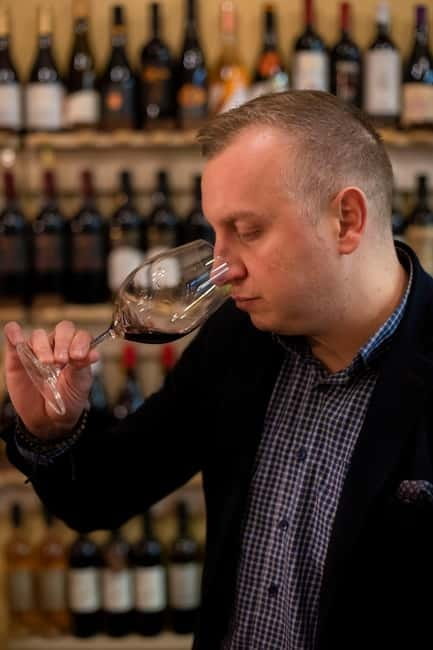
The stated duration is one hour. That is enough time for five small tastings, a short talk, cheese pairings, and questions if the group stays focused.
In practice, you should allow up to two hours. Some sessions have lasted around two hours because the host spends time on the wine regions, production methods, and individual bottle stories. A small group may also ask more questions, while a larger group may move at a steadier pace.
This flexibility is usually a benefit, but it affects planning. Do not schedule this immediately before a fixed-time dinner, theatre performance, or airport transfer. If you have an open evening, the longer format gives you time to chat and meet other people without feeling hurried.
The social side varies too. A session might have only two people, or around ten participants in small groups. Small numbers make the presentation more personal. A larger room offers more of a shared evening atmosphere, with a chance to compare impressions with people from different backgrounds.
Is $21 a fair price?
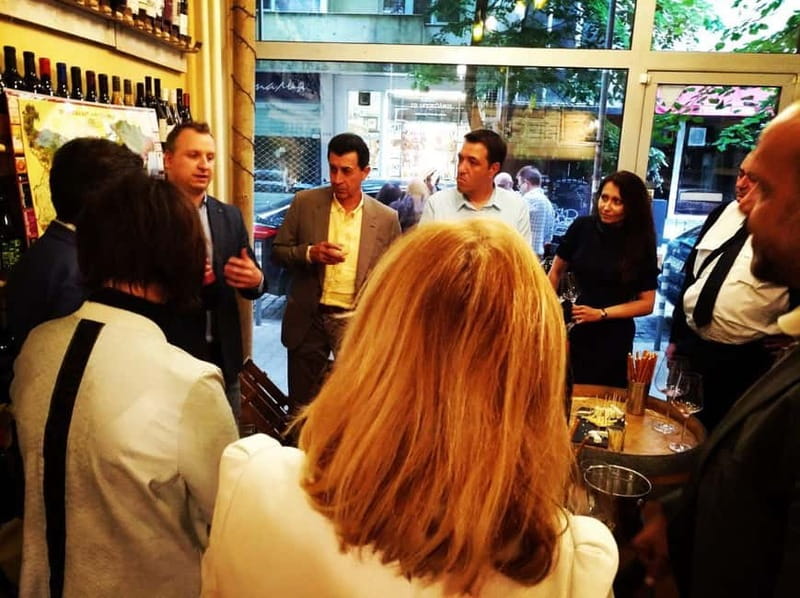
At $21 per person, this is strong value for central Sofia. You receive five wine tastings, craft cheese, bread sticks, mineral water, and an explanation of Bulgaria’s wine traditions. The price is especially reasonable if the session runs longer than the advertised hour.
You are also paying for access to local bottles that may be difficult to identify on your own. A supermarket visit might cost less, but you would miss the explanation of Bulgarian grapes, the regional context, and the chance to ask which bottle suits your taste.
The value is best for people who care about context, not just quantity. If your only aim is to drink as much as possible, this is the wrong format. If you want a guided introduction and a light food pairing in a central location, the price is easy to justify.
Several people have bought bottles after the tasting, including wines made by Tempus Vini. That can be a nice bonus if you find a favorite. Plan ahead, though: wine may not fit into a small carry-on bag, and the experience does not solve the problem of transporting bottles home.
Who should book this Sofia wine tasting?
I would recommend it first to wine drinkers who want to try grapes and styles they do not normally see. It also suits curious beginners. You do not need to know the difference between a dry and sweet wine before arriving, and the range makes it likely that at least one pour will appeal to you.
It is a good choice for couples and friends, but it also works for solo visitors because the format encourages conversation. If you enjoy meeting people during a city break, the shared table and informal presentation help.
This is also a smart activity for a short Sofia visit. It requires no trip into the countryside, no transport connection, and no full afternoon. You can fit it between sightseeing stops, then continue with dinner or an evening walk.
I would not book it for children or anyone under 18. All participants must be at least 18 and bring a passport or ID card. It is also not suitable for pregnant women. Baby strollers, large bags, luggage, outside food and drinks, bikes, and alcohol or drugs are not allowed.
The activity is wheelchair accessible, which is useful for many visitors, though the exact room may depend on group size. English and Bulgarian are the available languages.
Small drawbacks to keep in mind
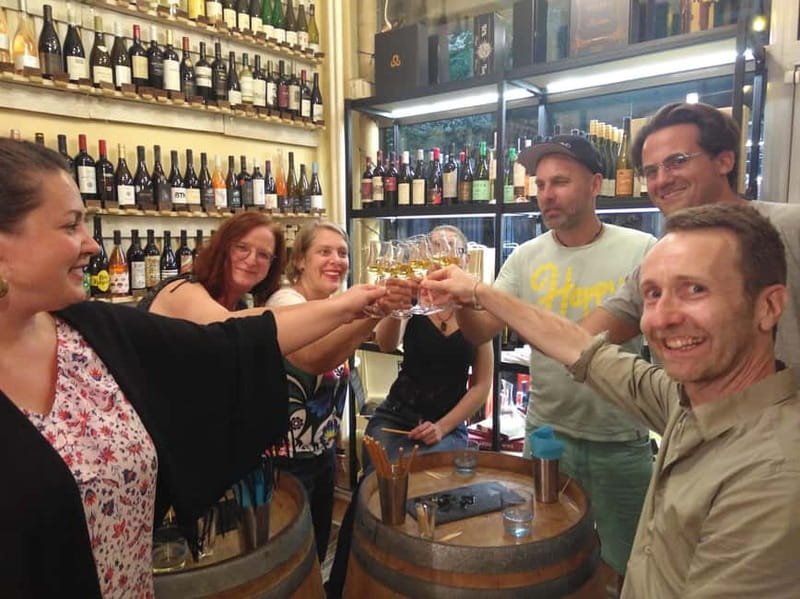
The shop setting is part of the charm, but it may not suit someone expecting a vineyard tour, a cellar visit, or sweeping countryside views. You remain in Sofia throughout, with the focus on tasting and explanation.
The wines are local in spirit, but not every bottle is necessarily made from a grape found only in Bulgaria. One tasting included Bulgarian grapes mixed with foreign varieties. If you want an all-native grape lineup, ask the host what is being poured on your date.
The schedule can also be longer than advertised, and the shop may be tricky to spot if you arrive without checking the address. These are small issues, but they matter if you are trying to fit several activities into one day.
Finally, the selection changes. That is good for freshness, but it means you should not book expecting one exact Moscato, orange wine, or red. The experience is about discovering what is available rather than choosing a fixed menu.
Should you book Tempus Vini?
Book it if you want a friendly, affordable introduction to Bulgarian wine without leaving Sofia. The strongest reasons are the local focus, the five-style comparison, the cheese pairings, and the chance to learn directly from the shop owner or another member of the Tempus Vini team.
Skip it if you want a formal vineyard excursion, a full meal, or a tightly controlled one-hour appointment. Otherwise, I would put this near the top of a Sofia food-and-drink list. Arrive early, bring your passport or ID, leave large bags behind, and keep your evening open enough for the conversation to run long.
FAQ
Where does the wine tasting take place?
It takes place at Tempus Vini Wine Point, a small boutique wine shop at ul. Knyaz Boris I 81, 1000 Sofia Center, Sofia, Bulgaria. Larger groups may use a nearby multimedia room.
How many wines are included?
The experience includes five local wine varieties. The exact selection can change, and some descriptions refer to four wines in a particular session.
What kinds of wine might I taste?
The selection may include white wine, Moscato, rosé, orange wine, and red wines. The wines come from regions across Bulgaria and may include Bulgarian grapes blended with international varieties.
Is food included?
Yes. Bulgarian craft cheeses, artisanal bread sticks, local snacks, and mineral water are included. Treat the food as a tasting accompaniment or light snack rather than a full meal.
How long does the experience last?
The official duration is one hour. Some sessions can last closer to two hours, depending on the group, questions, and discussion.
What languages are available?
The experience is offered in English and Bulgarian.
What should I bring?
Bring your passport or ID card. All participants must be at least 18 years old.
Can I cancel or pay later?
You can cancel up to 24 hours in advance for a full refund. A reserve-now, pay-later option is also available.
New cheese trips in the world
- Zermatt: Outdoor fondue “group experience under the stars”★ 4.7 · 3 reviews
- Zaanse Schans & Volendam Private Tour: Windmills and Cheese★ 5.0 · 5 reviews
- Zurich: Lucerne Trip, Igloo Fondue and Titlis Rotair Option★ 4.9 · 5 reviews
- Zurich Open-top Tour and Chocolate and Cheese Countryside★ 3.5 · 11 reviews
- Wine Masterclass & Cheese Tasting Workshop in Bordeaux★ 5.0 · 2 reviews
- Wine Tasting with Cured Meats & Cheeses in Florence★ 5.0 · 2 reviews
- Amsterdam: Zaanse Schans E-Bike Tour with Windmills & Cheese★ 4.5 · 12 reviews
- Wine, Cheese and Charcuterie tasting★ 4.9 · 17 reviews
Wine and Cheese Tastings, compared.

Classic Saloon Boat Cruise with Cheese & Wine
Read our review →
Montmartre Cheese, Wine & Pastry Guided Walking Tour
Read our review →
Evening Candle Light Cruise With Wine & Cheese
Read our review →
Vila Nova de Gaia: Port Wine Tasting with Cheese Pairing
Read our review →
Private Montmartre Food Tour with Wine, Cheese & Pastries
Read our review →
Paris Le Marais Food Tour With 10+ Tastings, Cheese, Wine & More
Read our review →