
Reviewed · WINE AND CHEESE TASTINGS
Testaccio: Exclusive tasting of PDO wines, cheeses, and cured meats from Lazio
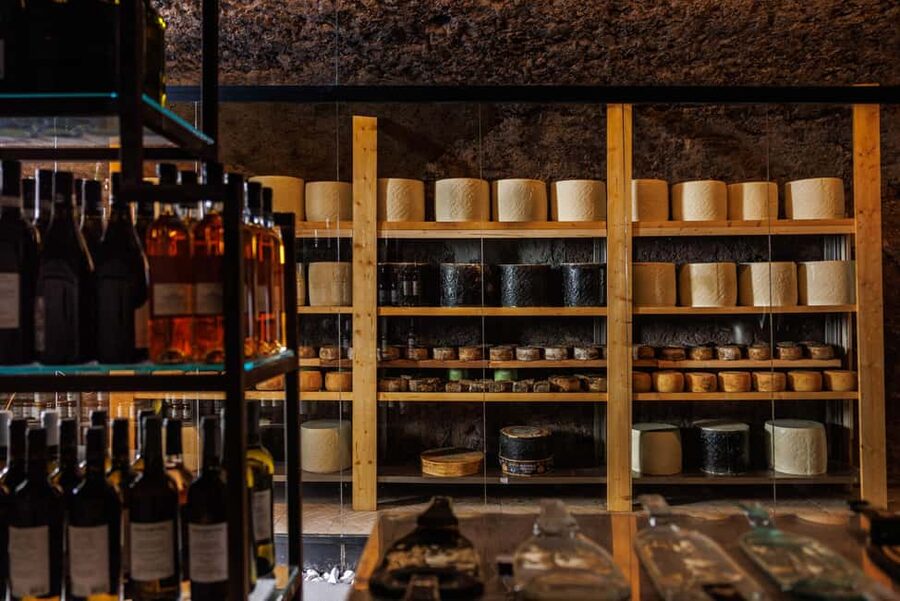
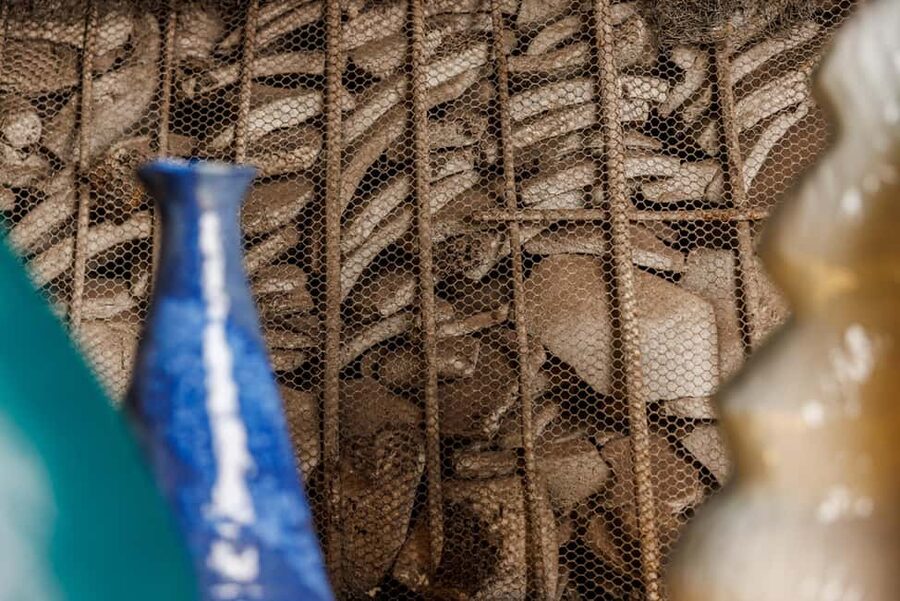
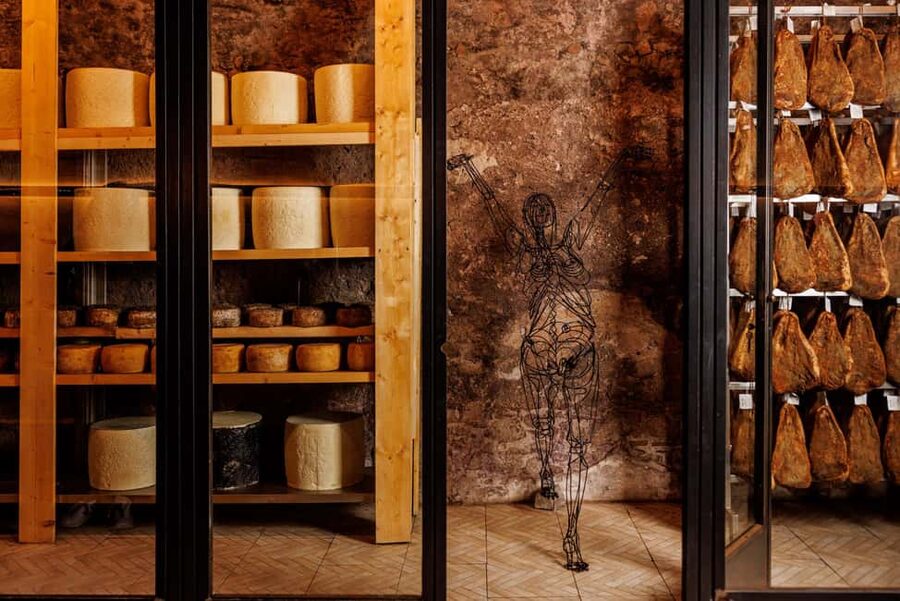
The most unusual part of this Testaccio food stop is below ground: you taste Lazio cheeses and cured meats inside a Roman cave where the temperature stays between 10 and 15 degrees Celsius. Ancient amphora fragments sit among cheese-aging spaces and changing art displays, making this far more than a standard restaurant platter.
I like two things here. First, the focus stays on small Lazio producers, not generic Italian foods you could buy anywhere. Second, the one-hour format gives you a compact way to connect local food with Roman archaeology. The main drawback is practical: the entrance can be hard to spot, so arrive about five minutes early and bring a jacket.
Key points at a glance
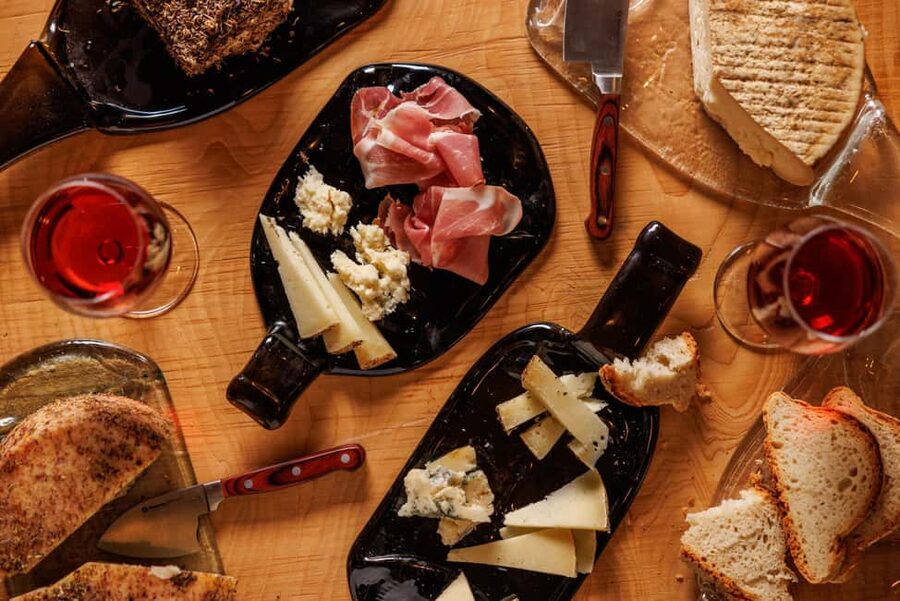
- Roman cave beneath Monte dei Cocci: Taste your way through Lazio in a genuine archaeological setting with ancient terracotta pieces.
- Ten regional food samples: The tasting includes five PDO cheeses and five artisanal cured meats from small local producers.
- Two local wines: Two glasses are paired with the food, with the selection designed to show how wine changes the tasting.
- A private one-hour format: This suits visitors who want a focused food experience rather than a long meal or full-day tour.
- English and Italian guidance: The host explains production, aging, pairings, and Lazio food traditions.
- Jacket and extra minutes needed: The cave remains cool, and the location may not be immediately obvious from the street.
Why this Testaccio tasting feels different
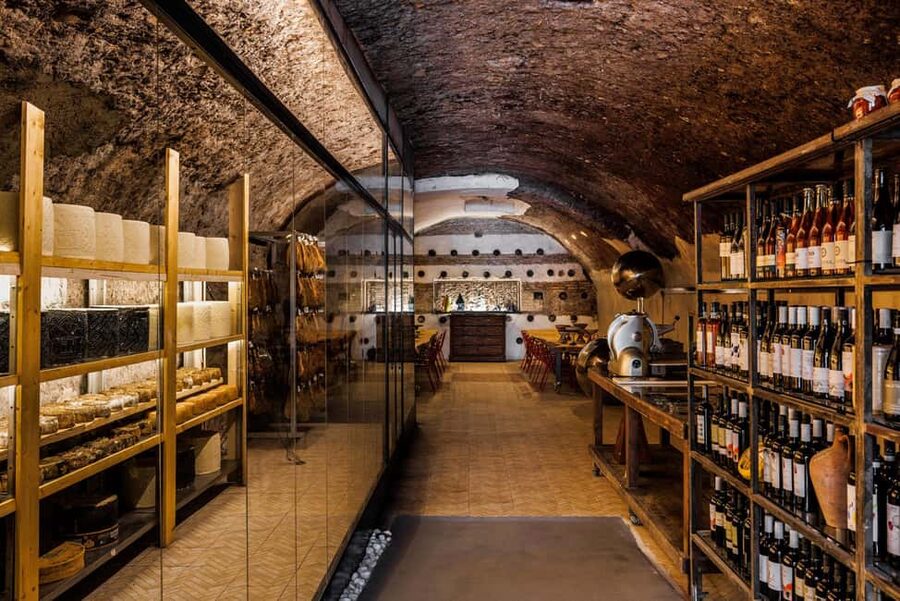
Rome has no shortage of food tours, cheese plates, or wine bars. This experience earns its place by putting the food in a setting that explains part of its character. The cave beneath Monte dei Cocci has the steady cool conditions needed for cheese aging, with temperatures listed at 10 to 15 degrees Celsius.
That is not just a bit of atmosphere. Cheese changes as it ages, and a stable environment matters. Here, the cave is part of the food story rather than a decorative room added after the fact. You can look at fragments of ancient amphorae while hearing how the space is used today.
The combination is especially fitting for Testaccio. The neighborhood is known in the experience description as a place where real Romans eat, away from the city center’s most obvious tourist stops. You are not being taken to a famous monument and then handed a snack. Instead, archaeology, local production, and Roman identity are brought together in one small place.
The setting also includes periodic art exhibitions by emerging Roman artists. That adds a modern note to the old stone and terracotta. The result is a room with several layers: Roman remains, contemporary art, aging food, and a guide explaining how Lazio tastes today.
More Wine and Cheese Tastings in Italy
- Authentic Farm Tour with Pizza, Cheese, Wine & Limoncello Tasting
★ 5.0 · 698 reviews - Cooking class with Pasta, mozzarella and Tiramisu with wine
★ 5.0 · 549 reviews - Amalfi: Make Fresh Pasta, Mozzarella & Tiramisù with wine
★ 5.0 · 503 reviews
Entering the cool cave beneath Monte dei Cocci
The visit begins with the cave itself. You will visit the cheese-aging area and learn why the space is useful for maturing dairy products. The constant temperature is one of the important details to notice, especially if you have visited other Roman ruins where the history is mostly visual.
Here, the past has a working role. Ancient amphora fragments appear in the walls and shadows, while the cave continues to support a food tradition. That makes the first part of the visit more than a quick photo stop.
The cave is also the main reason to bring a jacket. Ten to 15 degrees Celsius can feel cold if you have spent the day walking Rome’s streets. The advice is simple, but easy to ignore. Carry a light layer even in warm weather.
The entrance may take a little attention to locate. One French visitor found it poorly marked and advised allowing five extra minutes. I would not cut this close to the starting time, especially because the experience lasts only one hour. A few spare minutes will help you arrive calm and ready to listen.
Five PDO cheeses from Lazio
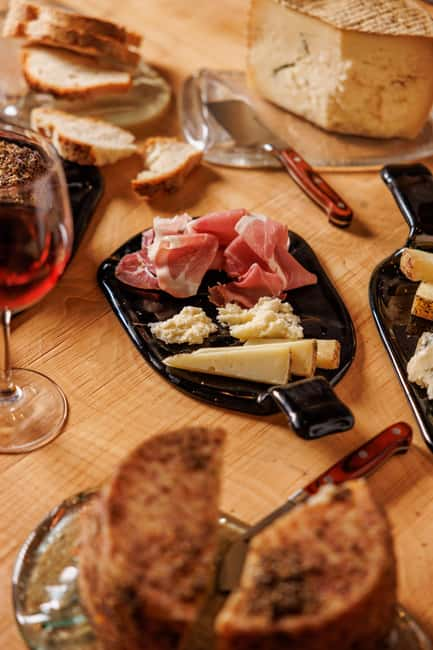
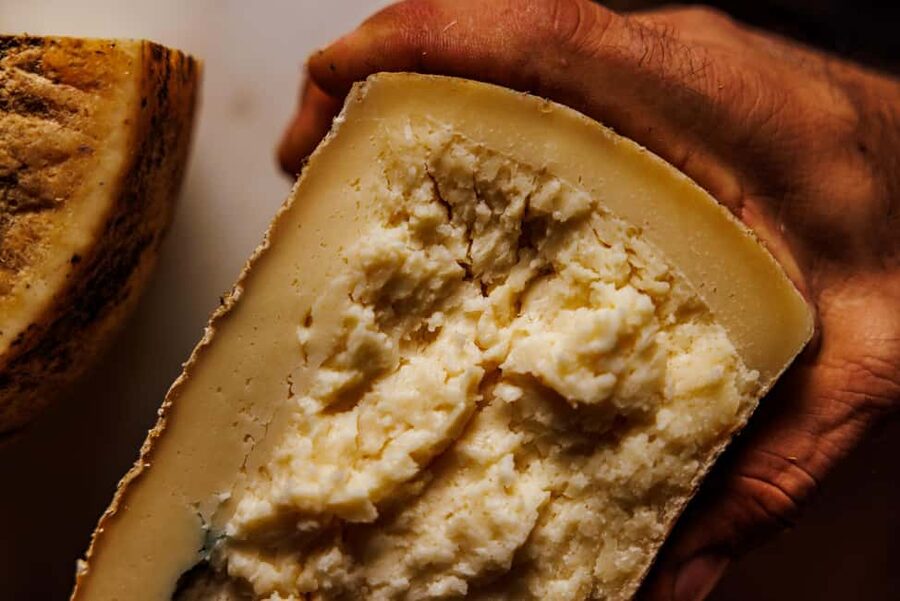
The cheese tasting is the heart of the visit. You will sample five PDO cheeses from Lazio, with the guide explaining the differences between the main protected regional varieties and the techniques used to make and age them.
PDO means Protected Designation of Origin. In practical terms, it links a product to a defined place and set of production rules. That matters when you want to understand why a cheese belongs to Lazio rather than simply being labeled Italian.
You are not given five interchangeable bites. The point is to notice how milk, production, aging, and local practice affect flavor and texture. The tasting may help you identify what you prefer: a younger and gentler cheese, a firmer aged style, or something with a stronger finish.
The cheeses come from small producers rather than large supermarket brands. That is valuable for two reasons. You get products that are less likely to appear on a routine restaurant menu, and you hear the stories of the people who still make them on a limited scale.
The guide also explains how cheese is aged in the cave. This gives the tasting a useful connection to what you saw at the start. Instead of hearing production details in the abstract, you are sitting in the kind of environment that helps shape the final product.
If you love cheese, this is the strongest reason to book. If you are only mildly interested in cheese, the archaeological setting and wine pairing still give the tasting another point of interest.
Five cured meats from small Lazio producers
The cured meat selection adds salt, texture, and contrast to the cheese. You will taste five local artisanal cured meats, again sourced from small producers in Lazio.
The guide explains the origin of each product and how it fits into local food traditions. That context helps you slow down and compare rather than simply eat your way through a large platter. You can pay attention to seasoning, texture, and how each meat works with the cheeses and wines.
The quantity is generous for a one-hour tasting. One couple described the cheese and cured meat board as abundant for two people. That makes the $47 price easier to assess, especially since the cost also includes the cave visit, guidance, and two glasses of wine.
This is not intended to replace a full Roman dinner. It is a substantial tasting, but the experience is built around explanation and comparison. If you arrive expecting a long meal with several courses, you may find the format short. If you want a well-filled introduction to Lazio products, the portion size should work well.
The focus on regional food also keeps the experience from slipping into a generic Italian sampler. You are not simply checking off prosciutto, salami, and cheese. The purpose is to learn what makes Lazio’s products different and why small-scale production matters.
Same region, a different board:
- Sorrento Farm by Tuk Tuk: Cheese, Limoncello & Hands-On Pizza
★ 5.0 · 628 reviews - Tour Parmigiano Reggiano dairy and Parma ham
★ 5.0 · 601 reviews - Parma: Parmigiano Production and Parma Ham Tour & Tasting
★ 4.9 · 554 reviews - Sorrento: Farm Tour with Cheese Tasting & Pizza Making Class
★ 5.0 · 503 reviews
Two wines and the art of pairing
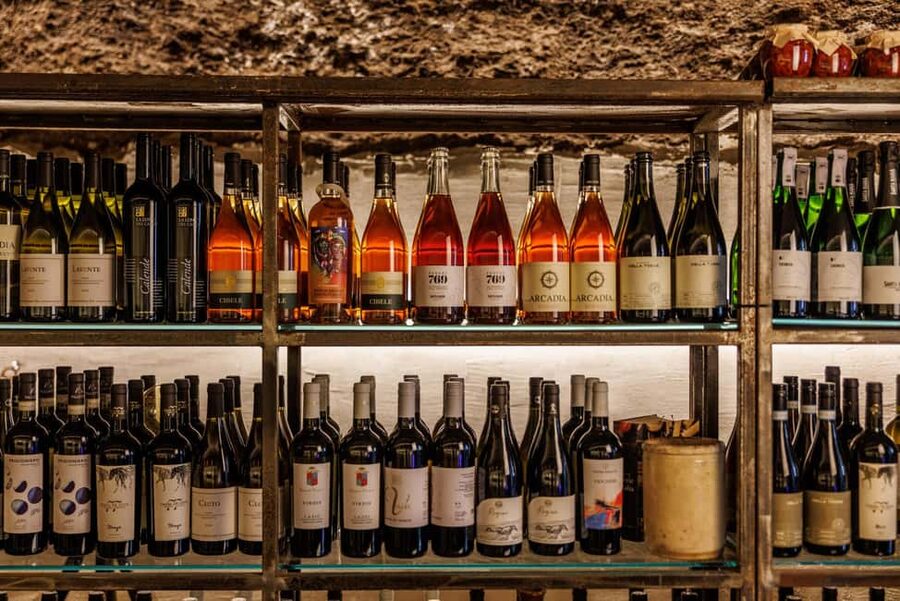
Two glasses of local wine are included. The wines are paired with the cheeses and cured meats, so you can see how the same bite changes when matched with a different glass.
The available information does not specify the exact labels or grape varieties. That is worth knowing if you want to choose a tasting based on particular wines. The value here is the regional connection and the pairing lesson, not a promised bottle list.
One session included both red wine and sparkling wine, and the hosts also offered regional olive oil to try with the food. The listed inclusion is two glasses of wine, so extra pours or additional items should not be treated as guaranteed. Still, the experience clearly places attention on how Lazio’s drinks work with its food.
I like this approach because it gives the tasting a bit of structure. You can start with the food, taste the wine, and then try the combination again. That small comparison often teaches more than a long explanation of wine terms.
If you do not drink alcohol, the available details do not confirm a nonalcoholic alternative. Ask about your needs when booking, just as you should report allergies or dietary restrictions in advance.
The guides make the difference
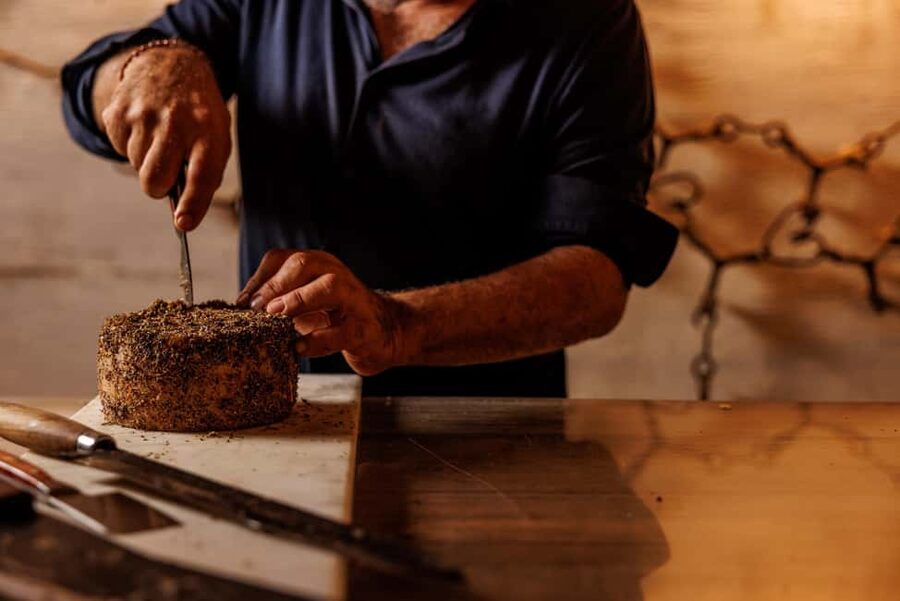
A tasting in a cave could easily become a quick sequence of names and samples. The guide is what turns it into a useful cultural stop. The host explains the products, aging methods, pairings, and link between food and Roman identity.
The hosting team includes Alessia and Vincenzo, both praised for their warm and passionate approach. The experience is offered in Italian and English, and the group is private. That combination should make it easier to ask questions and spend more time on the products that interest you.
You should expect a personal explanation rather than a formal lecture. The strongest comments about the hosting focus on clear information, care for the cave, and enthusiasm for the producers. That matters because many small food products are unfamiliar even to people who already know Italian cuisine.
The guide also gives you a local connection. You hear where the products come from and why they matter to the region, rather than receiving only tasting notes. For me, that is the difference between eating a good plate and understanding what is on it.
A one-hour stop that fits a Rome itinerary
The duration is one hour. That makes this easy to add between other Testaccio plans, but it also means the schedule is focused.
You will visit the cave, hear about its role in aging, taste five cheeses and five cured meats, and pair them with two wines. There is no need to set aside half a day or travel into the countryside. For a short Rome visit, that is a real advantage.
At the same time, do not expect a leisurely afternoon tasting. The host needs to cover many products in a limited period. If you want to ask detailed questions about every cheese or linger over every glass, the hour may feel brisk.
The private-group format helps. You are not simply moving through a large public tasting line. You can ask about ingredients, production, or the specific items on the board. Since some content may be presented in its original language, English speakers should feel comfortable with the stated bilingual guide service, while recognizing that every product explanation may not follow an identical script.
Is $47 a fair price?
At $47 per person, this sits above the cost of buying a few supermarket snacks, but that is the wrong comparison. You are paying for ten regional food samples, two wines, a guided explanation, and access to a cave that is not freely open to the public.
The setting is the biggest part of the value. A cheese board in a normal wine bar might offer similar categories of food, but it would not put you among ancient amphora fragments in a Roman aging cave. The private format and local sourcing add more value.
The amount of food also helps. Five cured meats and five cheeses make this more than a token sampling. For two people, the board can be abundant enough to function as a light meal, though I would not book it as your only planned dinner.
There are limits. The experience lasts just one hour, and the exact wine selection is not listed. If your main aim is a long Roman cooking class, a market visit, or a full meal, this is not the right product. If you want a compact cultural tasting with unusual access, the price is reasonable.
You can also buy cheeses, cold cuts, wines, oils, legumes, local spirits, and boxes for amatriciana and carbonara after the tasting. That is useful if you want to take a taste of Lazio home, but those purchases cost extra.
Who should book this experience?
I would recommend it most strongly to cheese lovers, food-focused visitors, and anyone who has already seen Rome’s major monuments and wants a more local stop. It also suits repeat visitors who would rather spend an hour in Testaccio than join another standard city-center food walk.
The cave makes it a good pick for history fans who want something smaller and less predictable than a major archaeological site. The art displays may appeal to people who enjoy the meeting of old and new.
Families and mixed-interest groups could also find it useful because the experience has several entry points. One person can focus on the cave, another on the food, and another on the wine. The one-hour length is manageable for many schedules.
It may be less suitable if you have serious dietary restrictions and cannot confirm that the tasting can be adapted. The experience specifically asks you to share allergies and restrictions, so do that before arrival. It is wheelchair accessible, which removes one concern for many visitors, but you should still communicate access needs when reserving.
What to buy after the tasting
The tasting ends with the option to purchase local products. Available items include cheeses, cured meats, wines, oils, legumes, local spirits, and boxes designed for making and tasting amatriciana and carbonara at home.
This is a practical finish, particularly if you want food gifts that connect directly to the tasting. You have already heard about the producers and tasted the products, so you can make a more informed choice than you might in a large shop.
Do not feel pressured to buy. The core experience is complete without shopping. But if you enjoy bringing home edible souvenirs, this is a useful chance to choose products from the same local focus that shapes the tasting.
My call: book it if the setting matters as much as the food
I would book this experience if you want a short, unusual food stop with a strong sense of place. The combination of a Roman cave, ancient amphora fragments, five PDO cheeses, five cured meats, two wines, and an English or Italian guide gives you more than a routine snack break.
The best parts are the private setting, the small-producer focus, and the hosts’ clear enthusiasm for Lazio food. Alessia and Vincenzo have been especially warm hosts, and the cave gives their explanations a memorable backdrop.
Keep your expectations practical. This is a one-hour tasting, not a full dinner, and finding the entrance may take a few extra minutes. Bring a jacket, report dietary needs ahead of time, and book it if you like the idea of learning where your food comes from while sitting in a place shaped by Rome’s past.
FAQ
How long does the Testaccio tasting last?
The experience lasts one hour.
What food is included?
You will taste five PDO cheeses from Lazio and five artisanal cured meats from small local producers.
How much wine is included?
The tasting includes two glasses of local wine paired with the food.
Is the experience offered in English?
Yes. A live guide is available in Italian and English.
Is the tasting private?
Yes. The experience is offered as a private group activity.
Should I bring anything?
Bring a jacket because the cave temperature remains between 10 and 15 degrees Celsius.
Can I buy local products afterward?
Yes. You can purchase cheeses, cured meats, wines, oils, legumes, local spirits, and amatriciana or carbonara boxes to prepare and taste at home.
New cheese trips in Italy
- Wine Tasting with Cured Meats & Cheeses in Florence★ 5.0 · 2 reviews
- Vico Equense: Tour in the dairy “Mozzarella Experience”★ 5.0 · 19 reviews
- Turin: Gastronomy tasting through oil, wine and cheese★ 5.0 · 2 reviews
- From Parma/Cinque Terre: Truffle & Parmesan Picnic (Tasting)★ 5.0 · 2 reviews
- Tuscany: Ripalte Design Winery Wine and Cheese Tasting Tour★ 4.7 · 15 reviews
- The Valpolicella food & wine driving tour: cheese factory+ winery★ 5.0 · 6 reviews
- Full Day Prosecco and Cheese Tasting from Venice★ 5.0 · 9 reviews
- Prosecco Hills Wine and Cheese Gourmet Discovery★ 5.0 · 6 reviews
Wine and Cheese Tastings, compared.

Classic Saloon Boat Cruise with Cheese & Wine
Read our review →
Montmartre Cheese, Wine & Pastry Guided Walking Tour
Read our review →
Evening Candle Light Cruise With Wine & Cheese
Read our review →
Vila Nova de Gaia: Port Wine Tasting with Cheese Pairing
Read our review →
Private Montmartre Food Tour with Wine, Cheese & Pastries
Read our review →
Paris Le Marais Food Tour With 10+ Tastings, Cheese, Wine & More
Read our review →
Browse the lists this tour appears in