
Reviewed · CHEESE MAKING WORKSHOPS
Central Madrid: Sangría Workshop & Tasting with Local Cheese
The best part of this Madrid activity is that you do not simply order a glass of sangria. You help make it. Over about two hours, you cut fruit, measure ingredients, mix two or three styles, then taste the results with local cheeses. That gives you a better feel for how small changes in wine, fruit, sweetness, and spice affect the drink.
I like the hands-on format, which makes this a good choice for solo visitors, couples, and groups who want an easy social evening. I also like the four-cheese tasting, especially the Manchego pairing, because it turns a basic drink lesson into a small introduction to Spanish food.
The main thing to consider is the setting. The workshop takes place in a central building, and one participant found the room a little awkward and small. You also need to meet outside the building, with the guide coming to collect you. A tattoo shop is used as a useful landmark, so arrive alert and look for the guide or sign.
At a glance
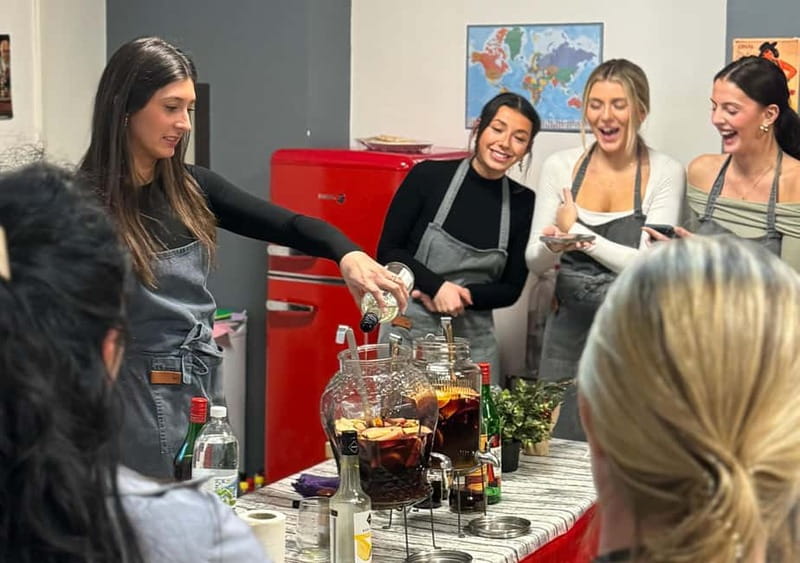
- Two or three sangria styles: You may prepare classic red, white, or sherry-infused versions, with each recipe offering a different flavor.
- Four local cheeses: The tasting includes Manchego, a Spanish sheep’s milk cheese with a buttery, nutty taste.
- A social class: Icebreakers and shared preparation make it easy to talk with people you have just met.
- Recipes to take home: You receive a PDF afterward, so the workshop is useful beyond your Madrid stay.
- Good value at $33: The fee includes the instruction, ingredients, equipment, cheese tasting, and several servings of sangria.
- Flexible for different diets: Nonalcoholic and vegan options are available, but the standard activity is for adults age 18 and older.
Starting with a glass, a knife, and a little Spanish food lore
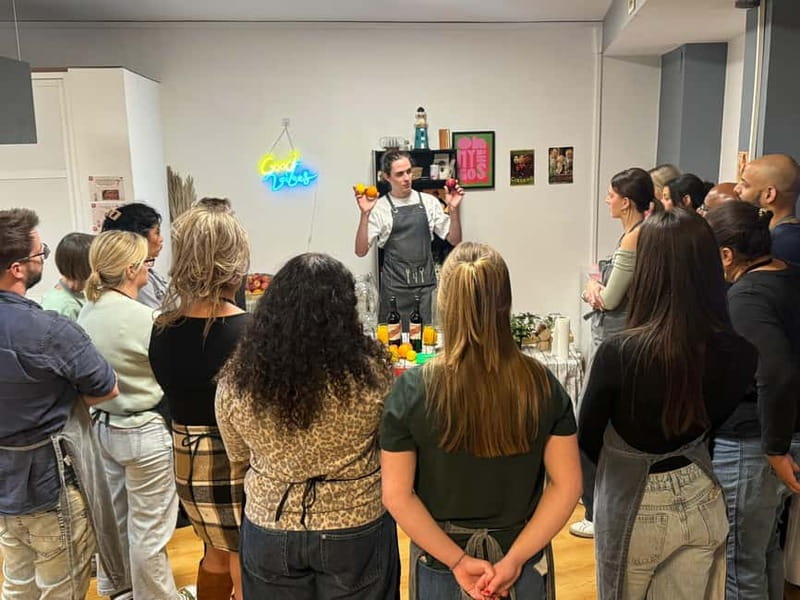
The workshop begins in central Madrid, where you meet the host outside the building and go upstairs together by elevator or stairs. The meeting arrangement is worth taking seriously. The location may not look like a polished cooking school from the street, and the guide may meet you near the tattoo shop with a sign shortly before the start time.
Once everyone is together, the tone is informal. The session includes simple icebreakers, which matter more than they might sound. Sangria making involves shared bowls, fruit, jugs, and glasses, so a little conversation helps the group settle in before everyone starts chopping and pouring.
The hosts named in the booking information and participant feedback include Lila, Miguel, Iván, Silvana, and other English- or Spanish-speaking instructors. The strongest part of their role is keeping the class moving while making room for questions. Lila is often praised for her warm, personal approach, while Miguel is described as funny and good at making a compact room feel lively. Iván is noted for explaining the drinks and food in a clear, friendly way.
You should expect a relaxed social lesson rather than a formal culinary lecture. The hosts explain where the ingredients come from, how sangria developed, and why the balance of fruit, wine, sweetness, and other additions matters. The history is brief enough to leave plenty of time for drinking and tasting.
More Cheese Making Workshops in Spain
- Fuerteventura: Artisan Goat’s Cheese Making at Local Farm
★ 4.9 · 112 reviews - Sangria Workshop and Tasting with Local Cheese
★ 5.0 · 86 reviews - Menorca: Cheesemaking and Farm-Fresh Product Tasting
★ 4.9 · 57 reviews
Making the red sangria
The classic red sangria is usually the most familiar version, and it gives the class a useful starting point. You take part in the preparation rather than watching the instructor do everything. That can mean cutting fruit, adding the ingredients, and mixing the drink with the rest of the group.
This is where the workshop earns its keep. A restaurant may serve you a pleasant pitcher, but it rarely explains why one sangria tastes heavy and another tastes fresh. Here, you learn that the basic idea is simple, but the final result depends on proportion and restraint.
The process also makes the activity social without forcing you into a staged performance. One person may handle the fruit while another pours, and the instructor guides the group through each step. You get a direct role, but you do not need previous cooking experience.
The red version is paired with cheese so you can compare how the drink behaves alongside salty, creamy, or nutty flavors. The pairing is not meant to turn you into a sommelier. It simply helps you notice that sangria is not only a sweet party drink. It can work with food when the balance is right.
Comparing white and sherry-based styles
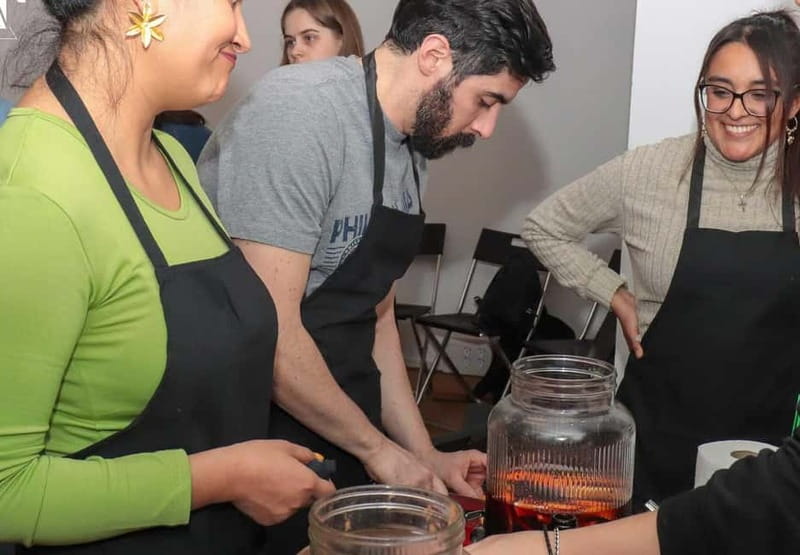
Most sessions prepare two sangrias, often red and white. The white version offers a useful contrast to the classic recipe, with a lighter look and a different flavor profile. Some sessions include a sherry-infused blend or a third style, adding another layer of Spanish character.
The exact combination may vary, so do not book expecting one fixed menu of recipes. The activity description promises two or three distinct styles, and the available feedback describes red and white sangrias most often, along with a sherry-based option.
I like this comparison because it turns the class into a small experiment. You can see how changing the base and other ingredients alters the drink. The instructor also encourages personal touches, which means you leave with principles rather than one rigid formula.
There is plenty to drink during the session. Several participants specifically note multiple refills, so pace yourself. Two hours of tasting can catch up with you, especially if you have dinner plans afterward or are visiting Madrid during a hot spell.
The activity includes alcohol, and you must be at least 18 years old. Children under 18 cannot join. Nonalcoholic options are available, so you can still take part in the preparation and tasting format without drinking wine.
Four cheeses, with Manchego at the center
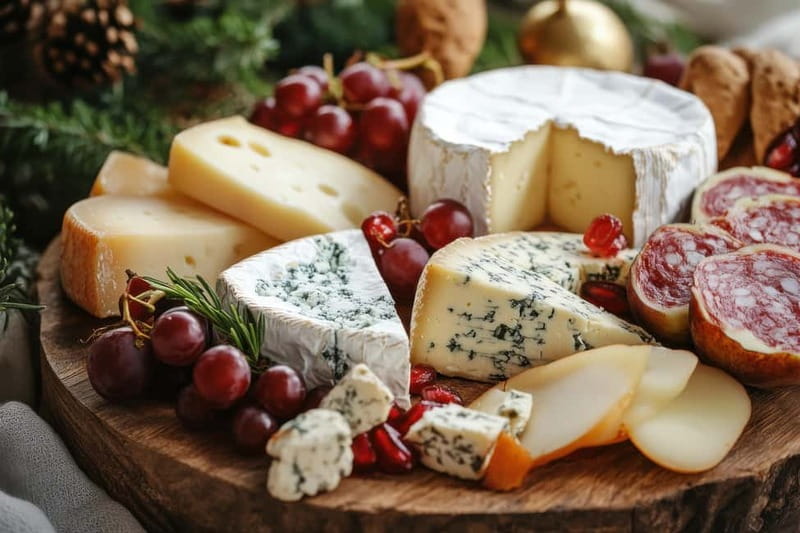
The cheese course gives the workshop more substance than a drink-only class. You taste four local cheeses, including authentic Manchego, the famous sheep’s milk cheese from Spain. Its buttery, nutty character makes it a natural match for fruit-based drinks.
The cheeses are selected to show how different textures and flavors interact with each sangria. A sweeter drink may seem less sweet beside a salty cheese. A sharper cheese can make fruit notes feel brighter. You do not need a trained palate to notice the differences.
This is also a useful part of the class for anyone who wants to shop for Spanish food later. Manchego is easy to find in Madrid, but tasting it in context gives you a better sense of what you like. The cheese is served as part of the experience, and the host explains the selections as you go.
The food is not a full dinner. That distinction matters. You get enough cheese and sangria to make the workshop satisfying, but you should still plan another meal if this is replacing lunch or dinner.
Same region, a different board:
- Tacoronte: Guided Winery Tour with Wine and Cheese Tastings
★ 4.6 · 481 reviews - Guided Visit to the Estrella Galicia Museum with Cheese Pairing
★ 5.0 · 218 reviews - Fuerteventura: Tickets to Salt, Cheese and Windmill Museums
★ 4.4 · 129 reviews - Tenerife Bodegas Monje Winery Tour with Wine and Cheese Tasting
★ 4.5 · 121 reviews
Why the social format works
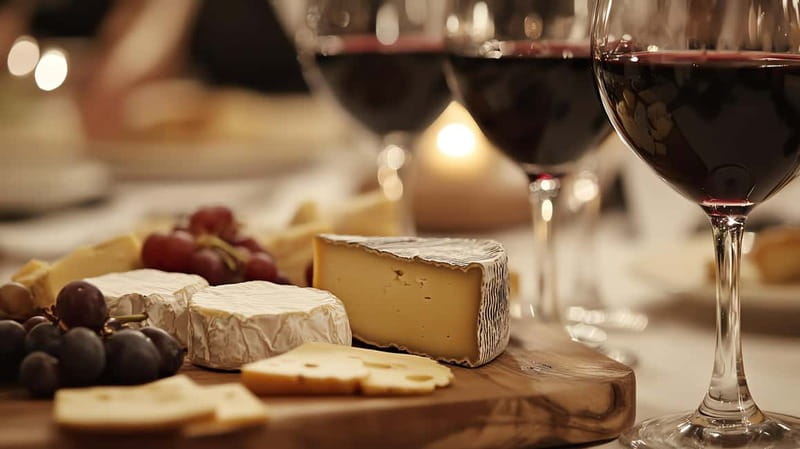
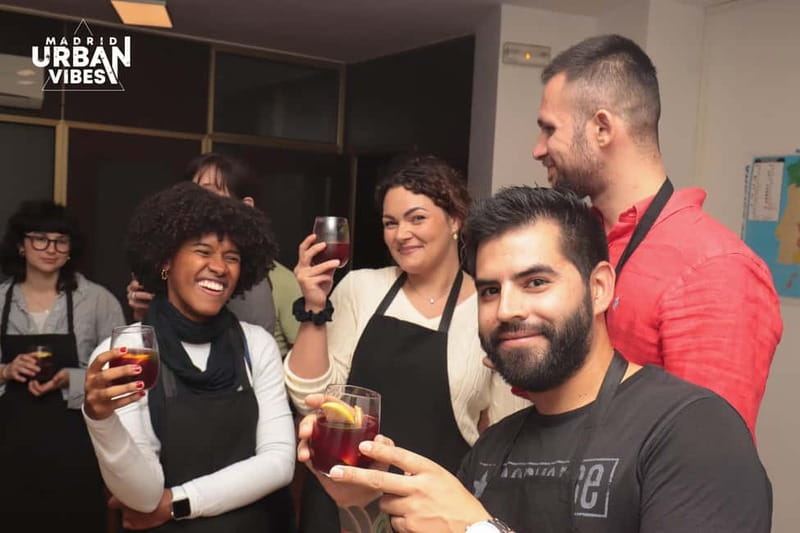
Sangria is a shared drink, and the class uses that naturally. You work from common ingredients and taste from drinks prepared by the group. That makes conversation easier than in a standard sightseeing tour, where you may spend most of the time listening.
Solo visitors are a particularly good fit. The icebreakers give you a reason to speak with other people, and the practical tasks prevent the session from becoming a series of awkward introductions. Couples and groups can also enjoy it, though you should be open to mixing with the rest of the room.
The atmosphere depends partly on the host and partly on the group. Lila, Miguel, Iván, and Silvana are all described as warm, funny, or engaging, but no workshop can guarantee the same social chemistry every time. The activity gives you good conditions for meeting people, rather than promising instant friendship.
Large private groups can also work well. A group of ten joined one session and found the host welcoming and accommodating. If you are planning a hen party or another celebration, the format has enough structure to keep the event organized while still feeling relaxed.
A practical look at the room and meeting point
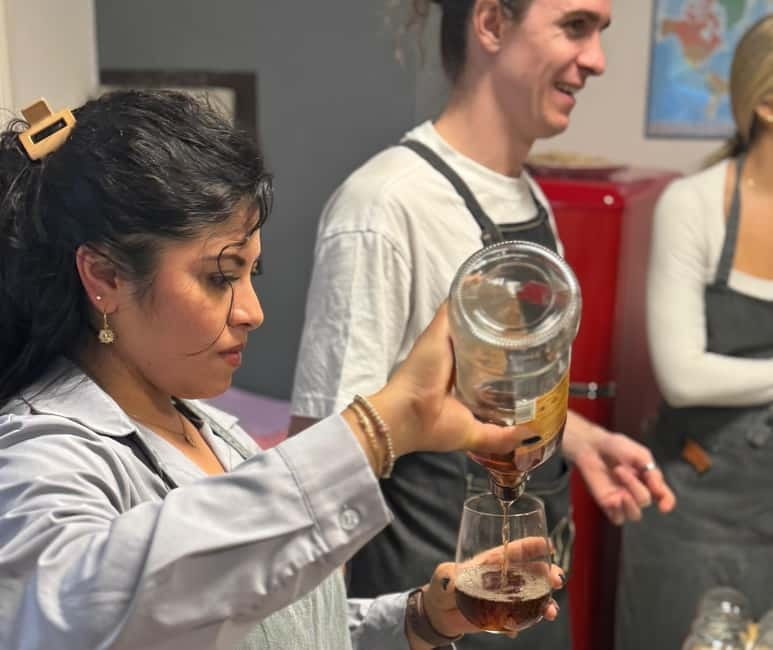
You meet outside the building in central Madrid. The guide then takes the group up by elevator or stairs. The activity is listed as wheelchair accessible, but it is still sensible to confirm the meeting arrangement and access needs when booking, since the group enters through a shared building rather than a clearly marked tourist venue.
The street location may feel a little rough around the edges. One person specifically found it slightly sketchy and advised waiting near the tattoo shop for the guide. That does not mean the workshop itself is unsafe, but it does mean you should not wander around looking for a large sangria sign.
Arrive with the meeting instructions ready on your phone. Look for the guide a few minutes before the start time, especially if you are unfamiliar with central Madrid. The host will meet you outside and lead the way.
The room may be compact. That can make the activity feel close and social, though it may be less comfortable for anyone who wants plenty of personal space. Since preparation takes place as a group, a small room is manageable, but it is still the most important physical limitation to keep in mind.
What the $33 price really includes
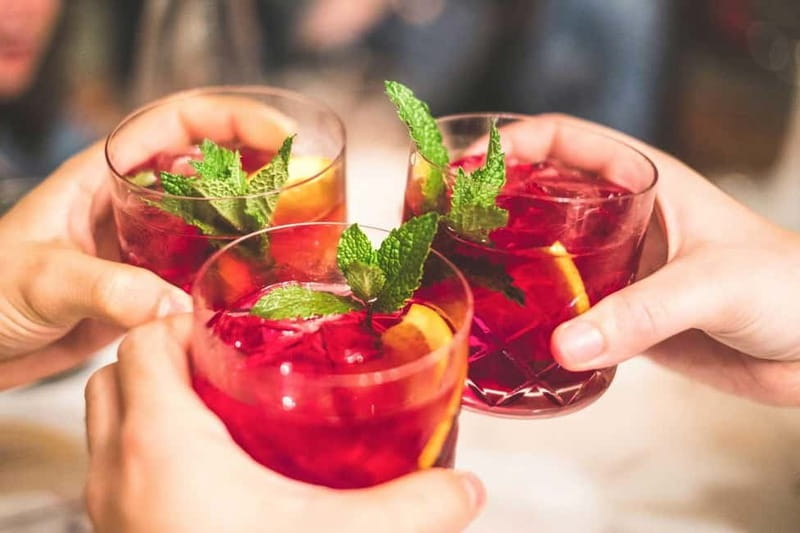
At $33 per person, this is a strong value if you want both food and participation. The fee includes all sangria ingredients, preparation tools, ingredients and tools for the tapas or food portion, the instructor, the cheese tasting, and the drinks you prepare.
You are not paying only for a lesson. You are also getting several tastings, an adult social activity, and recipes you can use later. The PDF sent after class adds real value because you do not have to rely on memory after two hours of conversation and tasting.
The price is especially fair for a pre-dinner activity. You receive enough food to sample several cheeses and enough sangria for more than one round, but you should not count it as a complete evening meal.
The value is lower if you dislike group activities, already know how to make sangria, or do not drink alcohol. In that case, the class may feel less useful, although the nonalcoholic option keeps the basic format open to more people.
Timing, language, and booking flexibility
The workshop lasts two hours, with start times depending on availability. It fits well before dinner or as an early evening plan. Since the activity is in central Madrid, you can pair it with other city sightseeing, but leave enough time to reach the meeting point without rushing.
Instruction is available in English and Spanish. The guides named above have hosted sessions for international groups, and the class is designed to be social rather than highly technical.
You can cancel up to 24 hours before the start for a full refund. The reserve-now-and-pay-later option also helps if your Madrid schedule is still changing. Those policies are useful in a city where weather, museum times, and restaurant plans can shift.
Who should book this Madrid workshop?
I would recommend it to:
- Solo visitors who want an easy way to meet people
- Couples looking for a light, interactive evening
- Friends or celebration groups who enjoy food and drinks
- Anyone curious about Spanish cheese and casual local flavors
- Home cooks who want recipes they can repeat
- Visitors who prefer doing something rather than only listening
I would think twice if you want a quiet, polished tasting room, a substantial meal, or a private lesson. The workshop is social, shared, and informal. The room may be small, and the meeting point requires a little attention.
Should you book it?
Book this workshop if you want a friendly two-hour activity where you can make the drinks yourself, taste four Spanish cheeses, and leave with recipes. The $33 price is appealing because it covers the ingredients, equipment, instruction, food, and several servings.
I would choose it early in your Madrid stay if possible. You can use the recipe PDF later in the trip, and the class may help you recognize cheeses or sangria styles on restaurant menus. Just remember that it is for adults, it is not a full dinner, and the meeting point can be easy to miss.
For most visitors, the combination of practical instruction, generous tasting, and relaxed conversation makes this one of the better low-cost food activities in central Madrid.
FAQ
How long does the sangria workshop last?
The activity lasts two hours. Start times vary, so you need to check availability when booking.
How much does the experience cost?
The listed price is $33 per person. It includes the instructor, ingredients, preparation tools, sangria workshop, and local cheese tasting.
How many sangrias will I make?
You will be guided through two or three sangria styles. Sessions commonly include red and white sangria, and some may include a sherry-infused version.
Is Manchego included?
Yes. The cheese tasting includes authentic Manchego along with three other local cheeses, for a total of four cheeses.
Can I join without drinking alcohol?
Yes. Nonalcoholic options are available. However, the standard activity includes alcohol and is restricted to people age 18 and older.
What languages are offered, and is the activity wheelchair accessible?
The workshop is offered in English and Spanish, and it is listed as wheelchair accessible. You meet outside the building and enter together using the elevator or stairs.
New cheese trips in Spain
- Cheese Factory Workshop with Wine Tasting in Requena, Valencia★ 4.5 · 3 reviews
- Guided Tour Montesdeoca Cheese Factory – Cheese and Wine Tasting★ 4.5 · 6 reviews
- Hike the Cork Oak trail and try some Delicious Cheese★ 5.0 · 12 reviews
- Discover the Art of Idiazabal Cheese in the Basque Country★ 4.5 · 9 reviews
- Private Basque Cheese & Txakoli Wine Tour from San Sebastian★ 5.0 · 20 reviews
- Menorca: Cheesemaking and Farm-Fresh Product Tasting★ 5.0 · 29 reviews
- Mallorca Wine and Cheese Tasting★ 5.0 · 29 reviews
- Madrid Bike Tour with Churros and Wine, Ham, and Cheese Upgrade★ 5.0 · 8 reviews
Cheese Making Workshops, compared.
Paris Cheesemaking Workshop including Wine and Cheese Tasting with an Expert
Read our review →
Troodos Mountains Halloumi Making: All Inclusive Workshop & Tour
Read our review →
Troodos Mountains Halloumi Making: All Inclusive Workshop & Tour
Read our review →
Visit to the property and wine/cheese pairing workshop
Read our review →Browse the lists this tour appears in