
Reviewed · CHEESE MAKING WORKSHOPS
Moroccan Cheese and Bread Making workshop
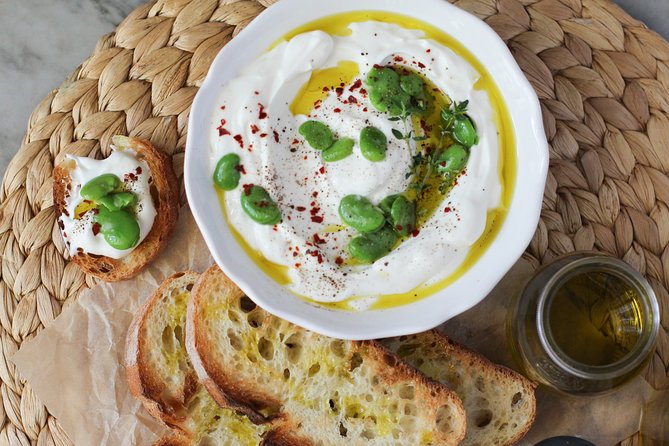
Fresh cheese is the star here. In a home kitchen near Rue Bab Doukkala, you learn to make Moroccan jben, season it with paprika, oregano, thyme, or rosemary, then eat it with warm breads, crepes, and mint tea. It is a practical taste of everyday Moroccan cooking, not a show built around sightseeing.
I like two things right away: the small group limit of six, which suits a hands-on lesson, and the clear focus on beginners. The class is designed to guide you step by step, so you do not need serious cooking skills. The main consideration is simple: two hours goes quickly, and this is a compact introduction rather than a full Moroccan cooking course.
Key points at a glance
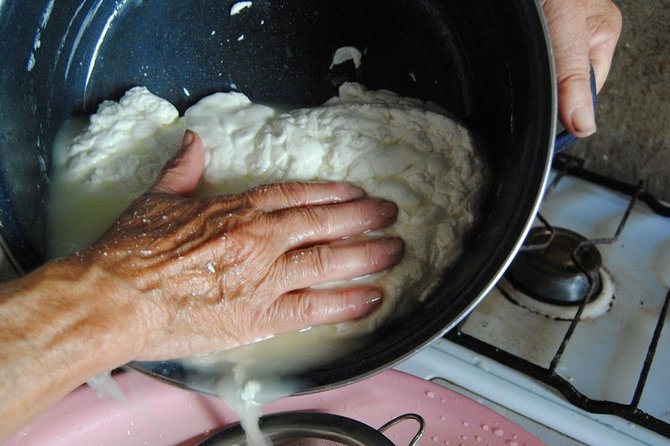
- Make Moroccan jben from scratch: Learn the basic method for turning fresh ingredients into a soft Moroccan cheese.
- Choose your own flavors: Season the cheese with paprika, oregano, thyme, rosemary, and similar herbs or spices.
- Cook in a Marrakech home: The class takes place in the instructor’s kitchen near Rue Bab Doukkala, in the heart of the medina.
- Share bread, crepes, and mint tea: The finished cheese is served with warm Moroccan breads and crepes, followed by traditional mint tea.
- Small, beginner-friendly setting: A maximum of six people makes it easier to follow each stage and ask questions.
- Reasonable price for a meal and lesson: At $30.13 per person, the experience combines instruction, food preparation, and a shared tasting.
Why fresh jben makes this class different
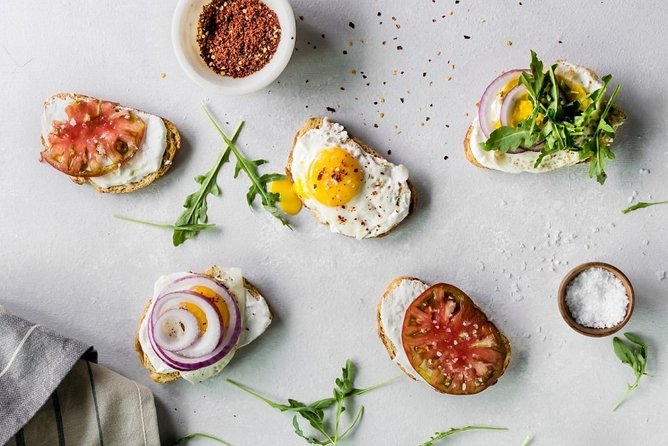
Many Marrakech cooking activities focus on tagine, couscous, or pastries. This one takes a less expected route: Moroccan fresh cheese. Jben is soft, mild, and simple enough for a home cook to try again after returning home.
That makes the class useful beyond the meal itself. You are not just tasting a local product. You are learning a technique and a flavor combination you can recreate. The class also shows how Moroccan food often depends on simple ingredients handled well, rather than on a long list of complicated steps.
The cheese is prepared with different flavor options, including paprika, oregano, thyme, and rosemary. You can compare the way each seasoning changes the finished cheese. That is a small detail, but it gives the session a personal touch. You are not simply following one fixed recipe and waiting for the instructor to finish.
For cheese lovers, this is the heart of the experience. For anyone less interested in cheese, the breads, crepes, and tea give the class a broader appeal. Still, you should book it because you like fresh cheese or want to understand how it is made. The cheese is not a minor side dish.
More Cheese Making Workshops in the world:
- Paris Cheesemaking Workshop including Wine and Cheese Tasting with an Expert
★ 5.0 · 141 reviews - Dijon: Cheese and Burgundy Wine Tasting Workshop
★ 4.8 · 122 reviews - Fuerteventura: Artisan Goat’s Cheese Making at Local Farm
★ 4.9 · 112 reviews
Meeting Chef Khmisa in the medina kitchen
The activity is provided by Marrakech Cooking Class With Chef Khmisa. The meeting point is on Rue Bab Doukkala, Marrakesh 40000, and the class takes place at the instructor’s home in the medina.
A home kitchen changes the feel of the lesson. You are not seated in a large culinary school with rows of workstations. You are entering a personal cooking space where the focus is on a few core foods and direct instruction. That setup can feel more relaxed, though it also means the experience is likely to be simpler in presentation than a polished restaurant kitchen.
You should pay close attention to the meeting instructions before setting out. The location is in the medina, and the supplied details identify Rue Bab Doukkala rather than a large landmark or hotel lobby. The area is near public transportation, which helps, but the activity ends back at the same meeting point.
The group size is capped at six. That matters in a cooking class. You have a better chance to see the process, work through the steps, and ask for help without waiting behind a large crowd. The small format is especially useful if you are new to making cheese or Moroccan bread.
Step one: making Moroccan cheese at home
The class begins with a step-by-step lesson in making homemade cheese. The available description does not give exact ingredient quantities or a detailed recipe, so you should not expect a printed technical guide based on the information provided. Instead, the value comes from watching the method and practicing it in the kitchen.
The beginner focus is important. You do not need to arrive with cheese-making experience. The instructor explains the process in a straightforward way, and the format is meant to make the technique approachable.
Fresh cheese rewards close attention. Small changes in texture and seasoning can affect the result, so this is the part where you should stay engaged rather than treating the lesson as a demonstration. Ask questions as you go. With only a few people in the room, you should have a fair chance to follow the work at close range.
You also get to flavor the cheese in several ways. Paprika adds color and a mild spiced note. Oregano, thyme, and rosemary bring herbal flavors. The exact combinations are not fixed in the information available, so you can expect a selection of seasonings rather than one guaranteed recipe for every session.
This makes the cheese section more fun than simply learning a plain base mixture. You can think about the flavors you like and how you might use the cheese at home. The lesson also gives you an easy way to connect Moroccan food with familiar pantry herbs.
Step two: warm Moroccan breads and crepes
After the cheese, the class moves to Moroccan bread and crepes. The description refers to a warm variety of Moroccan bread and crepes, making this more than a single bread demonstration.
Bread is an excellent partner for fresh cheese. It turns the cheese-making lesson into a complete meal and gives you a chance to taste the texture of the cheese in a traditional setting. The warm bread also makes the final serving feel connected to the cooking work you have just completed.
The exact breads are not named, so do not book expecting a particular type. You will learn about Moroccan bread and crepes in general, but the precise selection may depend on the class. That lack of detail is a minor drawback for anyone hoping to practice one specific recipe.
Still, the combination is well judged. Cheese alone could make for a short tasting. Bread and crepes add another practical skill, another texture, and more food to share. If you are choosing between a quick tasting and a hands-on food lesson, this format gives you more to do.
The class has also been described as suitable for beginners and well organized. That is useful here, because bread-making can feel intimidating if you have never handled the dough. You can expect the instructor to lead you through the process rather than assume you already know the basics.
More cheese tours worth booking in the world:
- Amsterdam Classic Saloon Boat Cruise with Drinks and Cheese
★ 5.0 · 31,825 reviews - Amsterdam: Classic Saloon Boat Cruise with Cheese & Wine
★ 4.6 · 27,035 reviews - Krakow–Zakopane: Cable Car, Chocholow Baths, Cheese & Vodka
★ 5.0 · 10,720 reviews - Krakow–Zakopane: Cable Car, Chocholow Baths, Cheese & Vodka
★ 4.8 · 8,989 reviews
Step three: mint tea and the final tasting
The cooking ends with Moroccan mint tea. You learn how it is made, then enjoy a glass with the fresh cheese, warm bread, and crepes.
Mint tea is not just a drink added to fill time. It is part of the social rhythm of Moroccan food. Ending the class around a shared glass gives you time to taste what you made and slow down after the hands-on work.
This final meal is one of the strongest parts of the experience. You get to compare the cheese flavors, try the breads while they are warm, and see how the different pieces work together. It also gives the session a natural finish instead of ending immediately after the cooking lesson.
The meal should not be confused with a large feast. The experience lasts about two hours, and its purpose is to teach a few focused preparations. If you want a long dinner with many Moroccan dishes, another class may suit you better. If you want a manageable lesson with a clear tasting at the end, this format makes sense.
What $30.13 per person gets you
The price is $30.13 per person. For about two hours, you receive instruction, hands-on food preparation, cheese with several flavor options, Moroccan breads and crepes, and mint tea.
I see this as good value if you want more than a snack. A simple food purchase in Marrakech would cost less, but it would not teach you how to make the food or explain the process. Here, you are paying for the lesson as well as the meal.
The value also improves for people who plan to cook at home. Jben is not presented as a complicated specialty reserved for professional kitchens. You learn a basic homemade approach, which gives the class a useful after-trip benefit.
Price alone should not be your only test. Consider what you want from the activity. If you mainly want to eat a large quantity of Moroccan food, this may feel modest. If you want a small, personal lesson with a finished meal, the cost is sensible.
Who will enjoy this two-hour class
I would recommend this class most strongly to:
- First-time cooks who want clear instruction
- Cheese lovers curious about Moroccan jben
- Couples or small groups looking for a food activity
- Visitors who prefer a home setting to a large cooking school
- Anyone who wants a useful recipe idea to take home
- Families or friends who can enjoy shared preparation and tasting
The class is also a good choice for people with limited time in Marrakech. At about two hours, it fits into a day of exploring without taking over your schedule. You start and finish at the same meeting point, so you do not need to arrange a separate return transfer.
I would be more cautious if you need a highly detailed professional cooking course. The session is short, beginner-friendly, and focused on cheese, bread, crepes, and tea. It is not described as an advanced lesson or a full survey of Moroccan cuisine.
Practical details before you book
The activity uses a mobile ticket, so you can keep the booking on your phone. Confirmation is sent within 48 hours, subject to availability. The class is generally booked around 10 days ahead, so leaving it until the last minute may not be wise if your Marrakech dates are fixed.
The meeting point is Rue Bab Doukkala, Marrakesh 40000, Morocco. Public transportation is nearby. The activity ends back at the meeting point, which makes onward planning easier.
Free cancellation is available if you cancel at least 24 hours before the local start time. Inside that 24-hour window, the payment is not refunded, and changes are not accepted. Keep that deadline in mind when arranging your Marrakech schedule.
The class has a maximum of six people. That is a useful detail for anyone who dislikes crowded cooking demonstrations. It also means availability may be tighter than for a large group excursion.
Should you book the Moroccan Cheese and Bread Making workshop?
Book it if you want a small, practical food lesson built around an unusual Moroccan specialty. The fresh jben, seasoning choices, warm breads, crepes, and mint tea create a clear two-hour arc, and the beginner-friendly format should help you take part without feeling out of your depth.
The main reason to hesitate is the narrow focus. You will not learn a wide range of Moroccan dishes, and the exact bread selection is not specified. But if cheese is your priority, this is a focused and fairly priced way to spend part of a Marrakech day.
For me, the strongest case is its combination of usefulness and local character. You meet in a home kitchen, learn a food that many visitors overlook, and sit down to eat what you prepared. That is enough to make this a good pick for curious cooks, especially those who want to bring a small piece of Moroccan food culture home.
FAQ
How long does the Moroccan Cheese and Bread Making workshop last?
The activity lasts approximately two hours.
Where does the workshop begin?
It begins at Rue Bab Doukkala, Marrakesh 40000, Morocco, in the heart of the medina.
Where does the activity end?
The workshop ends back at the meeting point.
How many people can join the class?
The maximum group size is six people.
What will I learn to make?
You will learn to make Moroccan fresh cheese called jben, Moroccan bread, and crepes. You will also learn how Moroccan mint tea is made.
Which flavors can be added to the cheese?
Flavor examples include paprika, oregano, thyme, and rosemary.
How much does the workshop cost?
The listed price is $30.13 per person.
Can I cancel for a full refund?
Yes. You can receive a full refund if you cancel at least 24 hours before the experience start time. Cancellations made less than 24 hours before the start time are not refunded.
New cheese trips in the world
- Zermatt: Outdoor fondue “group experience under the stars”★ 4.7 · 3 reviews
- Zaanse Schans & Volendam Private Tour: Windmills and Cheese★ 5.0 · 5 reviews
- Zurich: Lucerne Trip, Igloo Fondue and Titlis Rotair Option★ 4.9 · 5 reviews
- Zurich Open-top Tour and Chocolate and Cheese Countryside★ 3.5 · 11 reviews
- Wine Masterclass & Cheese Tasting Workshop in Bordeaux★ 5.0 · 2 reviews
- Wine Tasting with Cured Meats & Cheeses in Florence★ 5.0 · 2 reviews
- Amsterdam: Zaanse Schans E-Bike Tour with Windmills & Cheese★ 4.5 · 12 reviews
- Wine, Cheese and Charcuterie tasting★ 4.9 · 17 reviews
Cheese Making Workshops, compared.
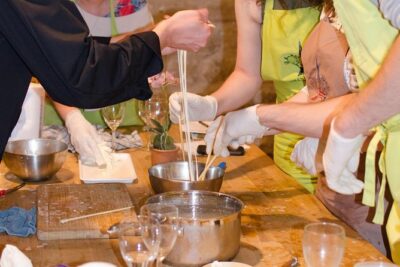
Paris Cheesemaking Workshop including Wine and Cheese Tasting with an Expert
Read our review →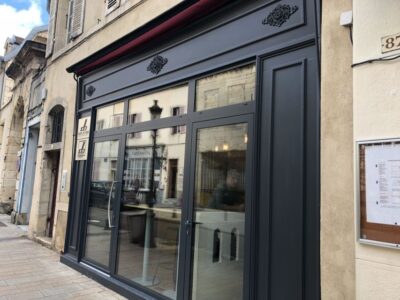
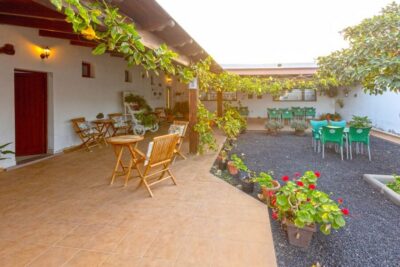
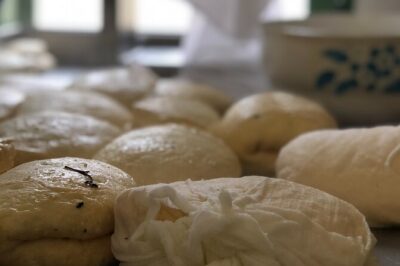
Troodos Mountains Halloumi Making: All Inclusive Workshop & Tour
Read our review →
Central Madrid: Sangría Workshop & Tasting with Local Cheese
Read our review →Troodos Mountains Halloumi Making: All Inclusive Workshop & Tour
Read our review →Browse the lists this tour appears in