
Reviewed · CHEESE AND CHARCUTERIE BOARDS
Budapest: Wine, Cheese, and Charcuterie Tasting
Hungary’s wine story is far more interesting than many visitors expect, and this five-wine tasting gives you a quick, tasty way into it. You’ll move from lesser-known local grapes and regional styles to a sweet Tokaj wine, with Hungarian cheese, sausages, and oils on the table beside you.
I like the clear regional overview and the generous food pairings. I also like the relaxed teaching style. Hosts such as Thomas, John, Bence, Sam, and Tom have been praised for making the session fun without burying you in wine terms. The one thing to consider is that this is an alcohol-focused experience, so it is not suitable for anyone under 18 or for those seeking a full meal.
Key Points at a Glance
- Five Hungarian wines: Expect a broad introduction to local regions, grape varieties, and styles, ending with sweet wine from Tokaj.
- Local food pairings: The board may include Mangalica pork sausage, water buffalo salami, smoked duck breast, grey beef sausage, and several cheeses.
- A proper lesson, not just a pour: Your English-speaking sommelier explains Hungarian wine history, regions, grapes, and current trends.
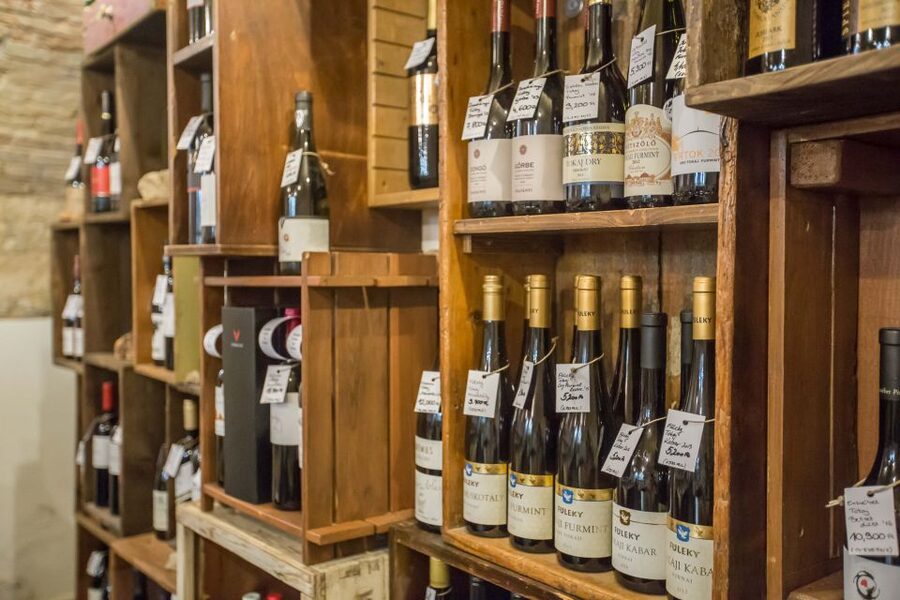
- Atmospheric central setting: The Tasting Table Budapest is near the National Museum, in a downstairs room described as an old brick cellar with arches.
- Good city logistics: It is about 150 meters from the National Museum and a short walk from Astoria and Kálvin tér.
- Best for curious adults: You do not need advanced wine knowledge, but you should enjoy tasting alcohol and trying unfamiliar local foods.
Why Hungarian Wine Deserves an Afternoon
Hungarian wine can be hard to understand from a restaurant list alone. Names such as Furmint, Hárslevelű, Kadarka, or Kékfrankos may not mean much at first glance, and the country’s wine regions are less familiar to many visitors than those of France, Italy, or Spain.
That is exactly why this format works. Instead of asking you to decode a long menu, the sommelier places five wines in a sensible sequence and explains what makes each one Hungarian. You learn about the main regions, important grape varieties, local methods, and newer directions in the wine trade.
The lineup is intended to cover different styles rather than present five similar bottles. The final pour is sweet wine from Tokaj, a region famous for some of the world’s finest sweet wines. For many people, that last glass is the most memorable part because it shows a side of Hungarian wine that does not fit the usual dry red and white pattern.
I particularly like the focus on indigenous varieties and local styles. You may taste wines you have never encountered at home, and that is a better souvenir than simply drinking another familiar international grape.
More Cheese and Charcuterie Boards in the world:
- Hungarian Wine Tasting (with Cheese and Charcuterie) in Budapest
★ 5.0 · 531 reviews - Full-Day Group Wine Tour (with cheese and charcuterie) in Niagara-on-the-Lake
★ 5.0 · 349 reviews - Tasting of 6 Bordeaux wines and pairing charcuterie & cheese
★ 5.0 · 199 reviews
Arriving at The Tasting Table Budapest
The tasting takes place at The Tasting Table Budapest on Bródy Sándor utca 9 in District VIII. The address is practical for a sightseeing day: it is only about 150 meters from the National Museum, so you can pair the tasting with a visit to the museum or a walk through the nearby central streets.
From Astoria on the M2 metro line or Kálvin tér on the M3, allow about five minutes on foot. Trams 47 and 49 also stop at those two transport points. You do not need to arrange a long ride across Budapest, which matters when you are fitting this into a busy afternoon.
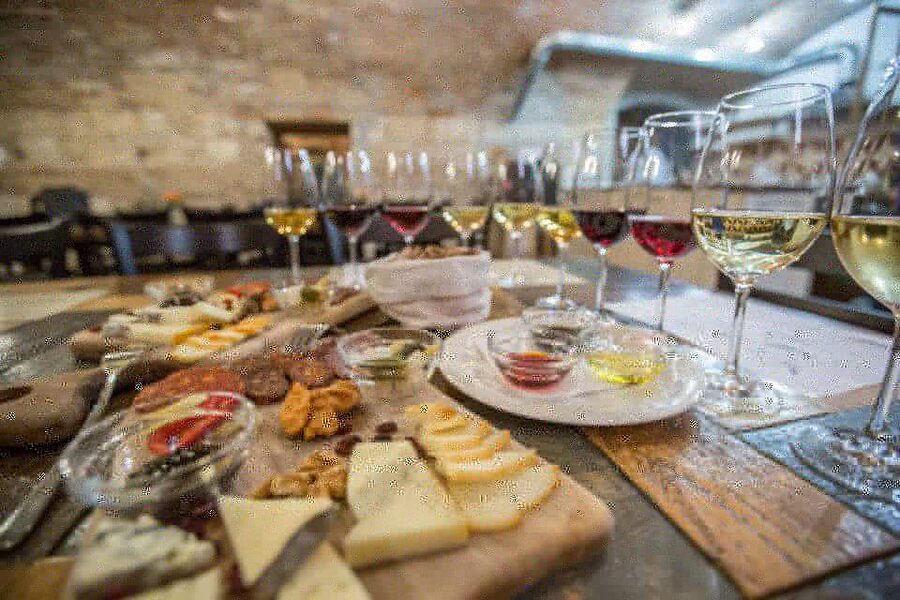
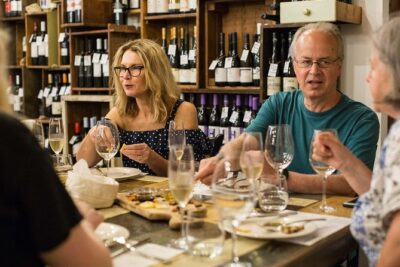
The room itself adds to the occasion. Several descriptions point to a downstairs brick space with arched ceilings, giving the tasting a cellar feel without taking you out of the city center. It is intimate and comfortable rather than formal. If you like polished hotel bars, this may feel more rustic. I see that as a plus for a tasting built around small producers and local food.
The exact table arrangement and group size can vary, so do not expect a private lesson unless your booking specifically says so. The social side is part of the appeal. You sit around a table with people from different places, which often makes the 90 minutes pass quickly.
Five Wines, Five Ways to Read Hungary
The tasting runs for about an hour and a half. That is long enough for explanation and conversation, but short enough to fit neatly before dinner.
You begin with an introduction to Hungarian wine. The sommelier sets out the basic map of the country’s wine regions and explains how geography, grape choice, and winemaking style shape the bottle in front of you. The supplied tasting sheets include a map, which is useful because you can connect a place on the page with the wine in your glass.
The middle of the tasting moves through contrasting examples. The format is designed to show a range of Hungarian wine rather than focus on one district. Previous sessions have included two white wines, two reds, and a dessert wine, though the exact bottles can change.
That flexibility is worth noting. Wine selections depend on supply and the host’s choices, so you should book this for the chance to learn about Hungarian wine, not for a guaranteed brand or vintage. The benefit is variety. You might find a new favorite instead of simply receiving a fixed list you could have researched yourself.
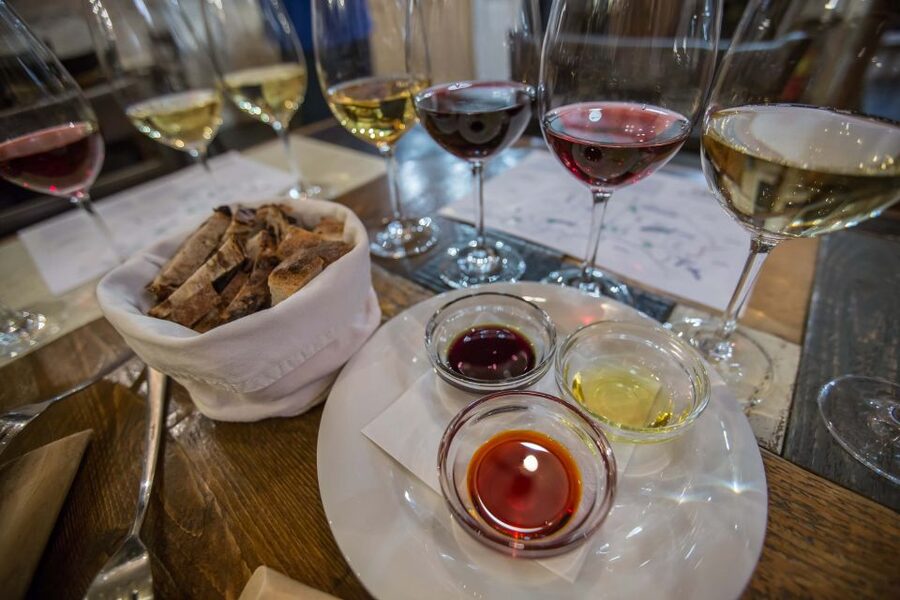
The sommelier also explains how to taste the pairings. You can try a wine on its own, then take a bite of cheese or charcuterie and return to the glass. This makes the lesson practical. You are not just hearing that a wine has acidity, spice, sweetness, or body. You can notice how food changes what you taste.
The final wine is sweet Tokaj. This is an important part of the country’s wine identity, not a decorative extra. The sweet style gives the tasting a strong finish and shows why Tokaj has such a respected place in international wine history.
The Food Board Is More Than a Snack
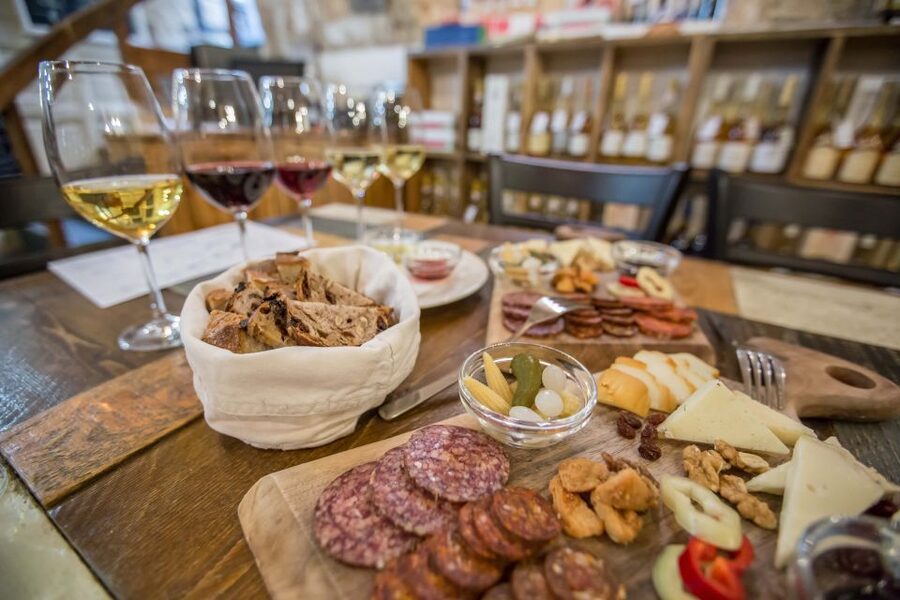
The cheese and charcuterie plate gives the wine some local context. Rather than relying only on standard European deli items, the selection can include unusual Hungarian products such as Mangalica pork sausage, free-range water buffalo salami, smoked duck breast, and grey beef sausage.
Mangalica is especially interesting if you have not encountered it before. The breed is associated with Hungary and is valued for its rich, marbled meat. The water buffalo salami and grey beef sausage also give you a taste of regional food traditions that you are unlikely to find on an ordinary Budapest bar menu.
The cheeses vary, but the board is designed to match the wines. You may receive a different meat or cheese with each glass, so pay attention to the sequence. A salty bite can make a dry white feel sharper, while a richer sausage may work better with a red. The pairings turn the tasting into a small lesson in balance.
Bread and artisan oils are included as well. One oil singled out in the tasting experience is pumpkin oil, which can be a pleasant surprise if you normally think of oil as background rather than part of the tasting. Bread and water help keep the food side comfortable, though you should not treat this as a substitute for dinner.
Vegetarians can still take part. The cheese, bread, and oils provide substantial options, but the experience is built around a mixed cheese and charcuterie board. If you do not eat meat, contact the provider before booking to confirm exactly what can be arranged. The available information does not promise a fully vegetarian menu.
More Wine and Cheese Tastings in the world:
- Amsterdam: Classic Saloon Boat Cruise with Cheese & Wine
★ 4.6 · 27,035 reviews - Paris: Montmartre Cheese, Wine & Pastry Guided Walking Tour
★ 4.8 · 2,255 reviews - Amsterdam: Evening Candle Light Cruise With Wine & Cheese
★ 4.6 · 1,774 reviews - Amsterdam: Cozy Cheese & Wine Cruise Tasting Experience
★ 4.5 · 1,156 reviews
The Sommelier Makes the Difference
The guide is central to this experience. A weak host could turn five wines into five disconnected pours. A good host gives you a story, keeps the pace moving, and explains enough without making the class feel like homework.
Names that have been associated with recent sessions include Thomas, John, Jon, Bence, Sam, and Tom. The precise host depends on the date, but the teaching style is consistent in the strongest accounts: friendly, well-informed, humorous, and happy to answer questions.
Thomas has been praised for explaining Hungarian regions and wine history in a clear way. John is described as funny and interactive, while Bence and Sam have also been singled out for making the experience engaging. You should not assume you will receive one particular guide unless the booking confirms it, but the repeated praise for the hosts suggests that the human element is a major part of the value.
The language is English. The tone is not highly technical. You can ask basic questions without feeling out of place, which makes this a good choice if your wine vocabulary begins and ends with red, white, and sweet.
At the same time, serious wine students should not expect a specialist certification class. The emphasis is on useful background, good food, and enjoyable tasting. I think that balance suits a holiday better than a lecture filled with obscure terminology.
Is $50 a Fair Price?
At $50 per person, the experience costs more than simply ordering a glass of wine and a snack in Budapest. It also gives you five glasses, a food plate, bread, artisan oil, a tasting sheet, and 90 minutes of guided instruction.
The value improves if you are interested in Hungarian wine specifically. You are paying for access to bottles you may not see on a casual restaurant menu, plus the chance to compare them in a planned sequence. The food is not just decoration, either. The sausage, salami, duck, cheese, and oils help turn the tasting into a compact introduction to Hungarian food culture.
Several details make the price feel fair. The tasting is central, so you are not spending extra time or money reaching a distant winery. The guide provides context that would take considerable research to assemble on your own. You can also buy a bottle afterward if something catches your attention, though there is no pressure to purchase.
This is still not the right pick if you want a full dinner. Some people will find the board filling enough for an afternoon, but most should plan another meal later. I would schedule it as a late afternoon activity, then have dinner afterward.
Who Will Enjoy This Most
You should consider booking this if you want to:
- Learn the basics of Hungarian wine in a short session
- Try local grapes and styles that may be unfamiliar at home
- Combine wine with regional meat and cheese
- Meet other English-speaking visitors in a relaxed setting
- Find a practical afternoon activity near the National Museum
- Enjoy wine without needing expert knowledge
It also suits couples. Several bookings were made by partners, including people where one person was not a keen wine drinker. The informal setting and food make it less intimidating than a formal wine class.
You do not need to be a serious wine fan. The structure gives you something to enjoy even if every pour is not to your taste. One useful attitude is to treat the five glasses as a guided comparison rather than a search for five perfect wines.
This is not suitable for children under 18. Hungary’s legal drinking age is 18, and all participants must meet that requirement. If you are avoiding alcohol, have a medical reason not to drink, or want a child-friendly food activity, choose something else.
Timing, Booking, and Small Practical Details
The tasting is available on most days between 3:00 and 5:00 PM, with the exact starting time depending on availability. That window works well after a morning of sightseeing and before dinner, but it leaves less flexibility if you plan a late museum visit.
The experience requires at least two people. A booking can be cancelled if there are not enough participants, in which case an alternative or a full refund is offered. It is sensible to keep a little flexibility in your schedule, especially if this is the only activity you have planned for that afternoon.
You can cancel up to 24 hours in advance for a full refund, and the reserve-now, pay-later option helps if your Budapest plans are still shifting. Confirmation is provided when you book.
Bring the tasting sheet home, or at least photograph the wine names and regional map. If you find a bottle you like, ask about buying it before you leave. Several people have done so, and the wines were described as reasonably priced.
Should You Book the Budapest Wine Tasting?
I would book this if you want a compact, local, food-and-wine experience rather than a large sightseeing tour. The central location, short duration, Tokaj finale, and unusual Hungarian charcuterie make it easy to fit into a Budapest itinerary.
The strongest reason to go is the combination of unfamiliar wines and a host who can make them understandable. The main limitation is simple: it is not a complete meal, not a private tour, and not ideal for anyone under 18 or uninterested in alcohol.
For curious adults, couples, and first-time visitors to Hungarian wine, $50 is a sensible price for five pours, a substantial tasting board, and a useful lesson in the country’s wine regions. Schedule it for the afternoon, keep dinner plans afterward, and arrive ready to try something you may not recognize.
FAQ
Where does the Budapest wine tasting take place?
It takes place at The Tasting Table Budapest, Bródy Sándor utca 9, 1088 Budapest, in District VIII.
How close is the venue to the National Museum?
The tasting room is about 150 meters from the National Museum.
How long does the experience last?
The tasting lasts 1.5 hours.
How many wines are included?
Five glasses of Hungarian wine are included.
Does the tasting include Tokaj wine?
Yes. The final wine is a sweet wine from Tokaj.
What food is included?
You receive a local cheese and charcuterie plate, along with bread and artisan oil.
What kinds of Hungarian meat might be served?
Possible items include Mangalica pork sausage, free-range water buffalo salami, smoked duck breast, and grey beef sausage.
Is the tasting available in English?
Yes. The live tour guide speaks English.
What is the minimum age?
Participants must be at least 18, which is Hungary’s legal drinking age.
Can I cancel for a refund?
Yes. You can cancel up to 24 hours in advance for a full refund.
New cheese trips in the world
- Zermatt: Outdoor fondue “group experience under the stars”★ 4.7 · 3 reviews
- Zaanse Schans & Volendam Private Tour: Windmills and Cheese★ 5.0 · 5 reviews
- Zurich: Lucerne Trip, Igloo Fondue and Titlis Rotair Option★ 4.9 · 5 reviews
- Zurich Open-top Tour and Chocolate and Cheese Countryside★ 3.5 · 11 reviews
- Wine Masterclass & Cheese Tasting Workshop in Bordeaux★ 5.0 · 2 reviews
- Wine Tasting with Cured Meats & Cheeses in Florence★ 5.0 · 2 reviews
- Amsterdam: Zaanse Schans E-Bike Tour with Windmills & Cheese★ 4.5 · 12 reviews
- Wine, Cheese and Charcuterie tasting★ 4.9 · 17 reviews
Cheese and Charcuterie Boards, compared.
Hungarian Wine Tasting (with Cheese and Charcuterie) in Budapest
Read our review →
Full-Day Group Wine Tour (with cheese and charcuterie) in Niagara-on-the-Lake
Read our review →
Tasting of 6 Bordeaux wines and pairing charcuterie & cheese
Read our review →
Taste of Lake Como: 4 Wines Paired with Local Cheese Charcuterie
Read our review →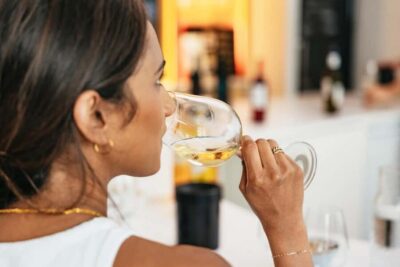
Wine Masterclass with Cheese and Charcuterie Board
Read our review →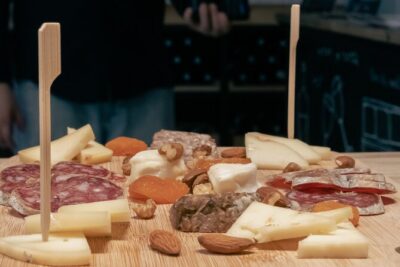
Introduction to Bordeaux wines paired with cheeses & charcuterie
Read our review →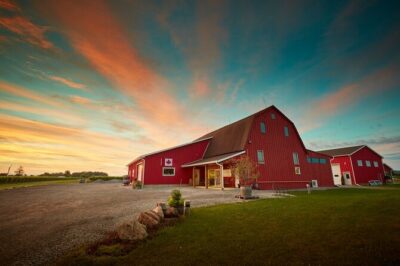
Between the Lines Cheese and Charcuterie Picnic
Read our review →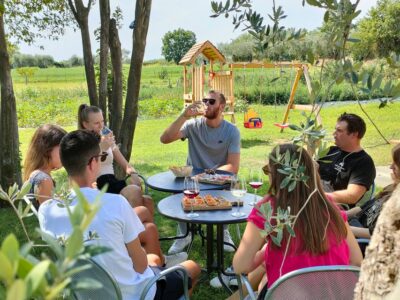
Lazise: Wine Tasting with Charcuterie and Cheese Board
Read our review →Browse the lists this tour appears in