
Reviewed · CHEESE MAKING WORKSHOPS
Paris: Butter and Cheesemaking Workshop
Paris: Butter and Cheesemaking Workshop Review
Making cheese in Paris is a fine way to get past the usual museum-and-monument routine. In this two-hour class, you work with milk, curds, and cream to make tomme fraiche and traditional butter, then sit down for a tasting with French cheese and wine. The cheese has a mild, milky acidity and is often melted into classic dishes.
I like two things right away: you make the food yourself, rather than simply watching a demonstration, and the group is capped at 10 people. Guides such as Agathe, Paul, Romain, Gabriele, and Roman have led sessions praised for clear teaching, humor, and patience. The main drawback is practical: the activity is not suitable for wheelchair users, and the museum has been preparing to relocate, so confirm the meeting address before you go.
Key points at a glance
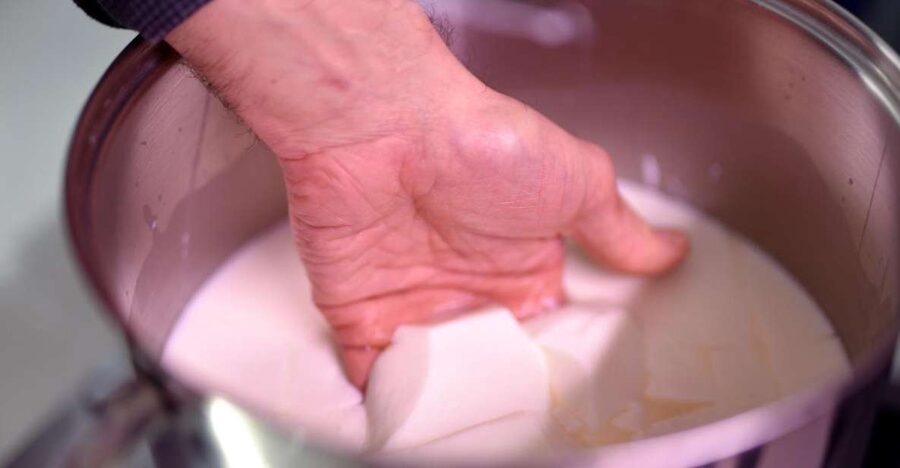
- You make two French staples: The class covers tomme fraiche cheese and traditional butter, not just a tasting.
- The cheese has a useful place in French cooking: Tomme fraiche has a gentle acidic taste and is especially suited to melting.
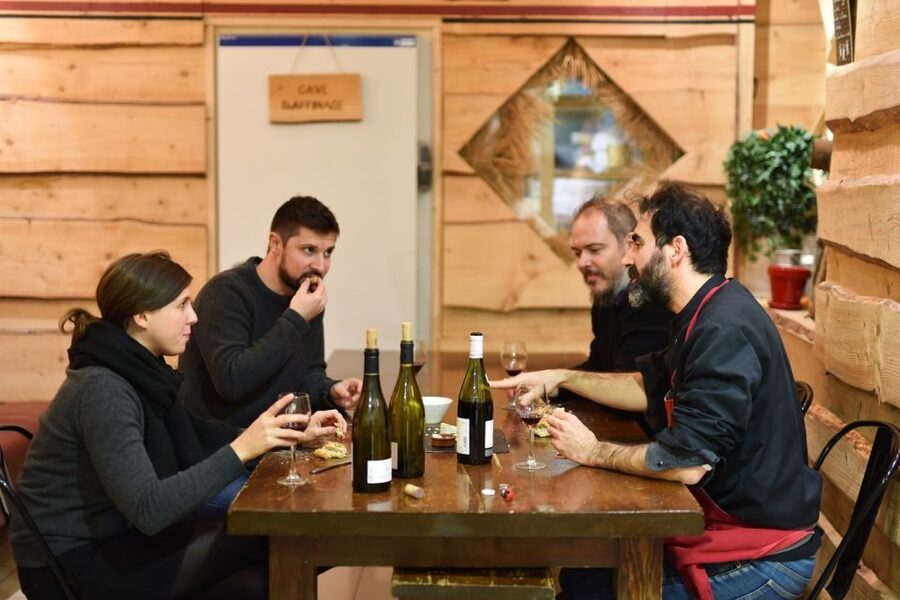
- The final tasting completes the lesson: You sample your work alongside other cheeses, bread, and a glass of wine.
- The group stays small: No more than 10 participants means you should have room to ask questions and handle the equipment.
- The class suits families: Children as young as 5 have taken part with older siblings and grandparents, according to the supplied experience details.
- Check the location carefully: The meeting point is the Musée Vivant du Fromage, also called the Living Cheese Museum, but a recent note indicates a move may be underway.
Starting at the Living Cheese Museum
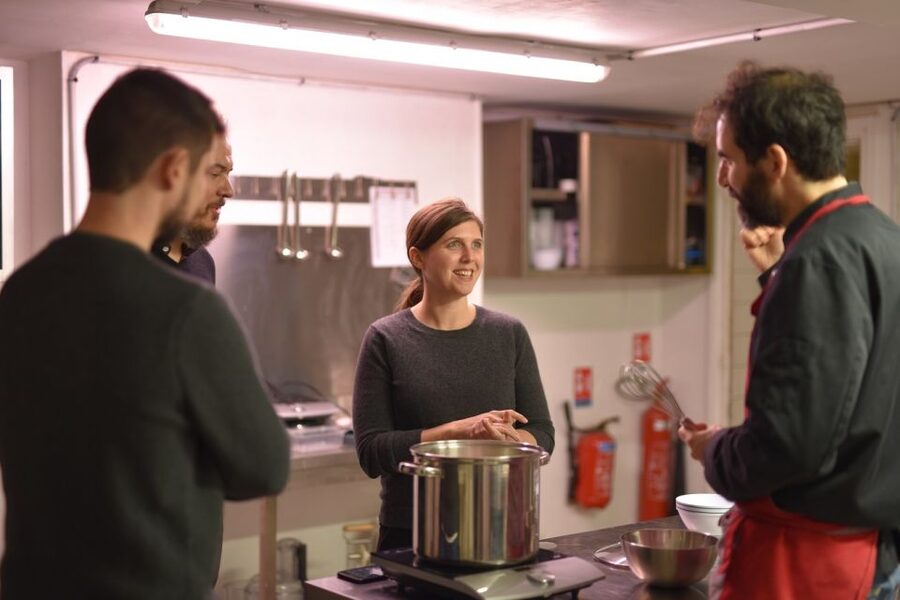
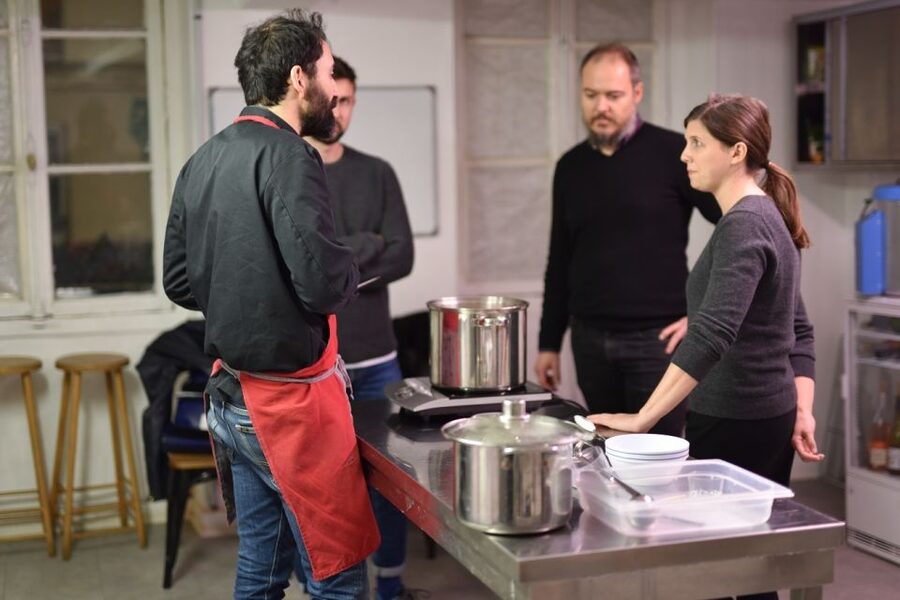
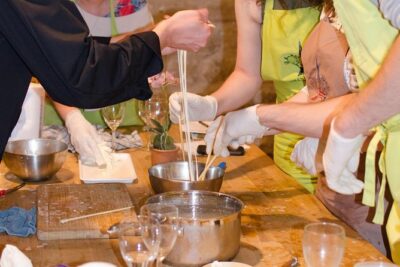
You meet at the Living Cheese Museum and are introduced to the cheese master and the rest of the group. The class then moves into the cheese-making room, where the practical work begins.
The museum setting gives the lesson a useful sense of place. You are not in a generic cooking studio making a token French dish. The subject is one of the country’s most important everyday foods, explained by someone who works directly with cheese-making methods.
The class is taught in English, which matters in a hands-on lesson. You need to understand when to stir, shape, separate, or handle the ingredients. The instructors named in the experience details include Agathe, Paul, Romain, Roman, and Gabriele. The strongest descriptions of the class repeatedly point to guides who are warm, funny, patient, and able to explain difficult steps in plain language.
Because the group is limited to 10, you should get more personal attention than in a large demonstration. That also makes the session a better fit for questions. If you want to know why a cheese behaves differently when heated, or how butter separates from cream, this is the kind of class where you can ask as you work.
One practical warning comes first: check the confirmation email for the current address. A recent participant noted that the shop was preparing to relocate. The advertised meeting point remains the Musée Vivant du Fromage, but a move can affect where you need to go.
More Cheese Making Workshops in France
- Paris Cheesemaking Workshop including Wine and Cheese Tasting with an Expert
★ 5.0 · 141 reviews - Buffalo Milk Mozzarella Workshop
★ 5.0 · 2 reviews - Dijon: Cheese and Burgundy Wine Tasting Workshop
★ 4.8 · 122 reviews
Making tomme fraiche from scratch
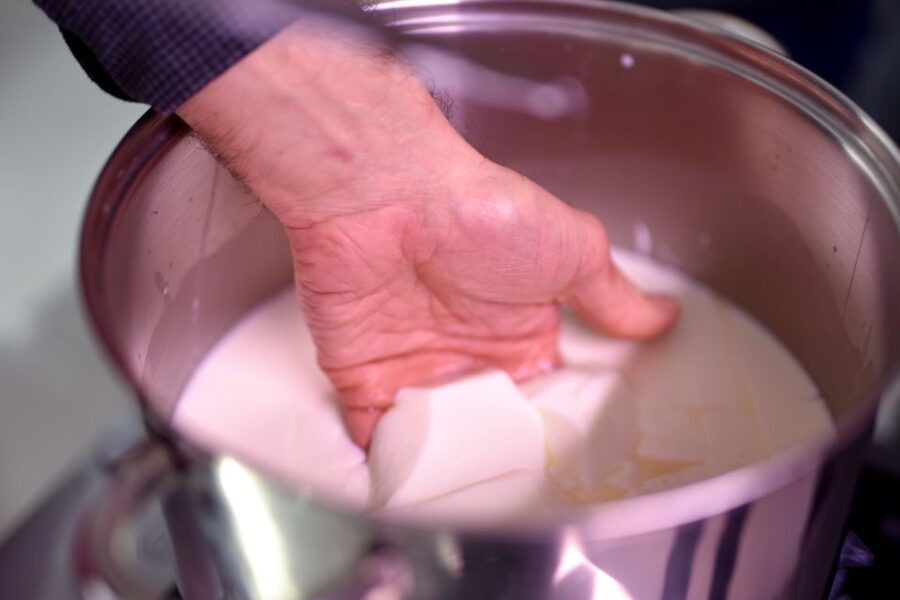
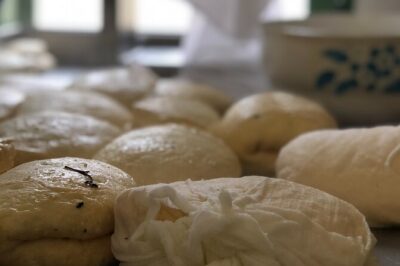
The cheese portion focuses on tomme fraiche, a fresh cheese with a slightly milky, acidic flavor. It is not presented as a fancy aged cheese with a long maturation story. Its appeal is more direct: it is a fresh, useful cheese made for eating and cooking.
You learn how the cheese is created, then follow the process with the equipment supplied for the workshop. The activity is hands-on from start to finish. That makes the lesson more memorable than a short talk about French cheese varieties because you can connect each explanation with something happening in front of you.
Tomme fraiche is often used melted into traditional dishes. Its flavor is mild enough to work with other ingredients, while its texture makes it useful in hot food. The workshop gives you a better sense of why some French cheeses are made for the table and others are made for the pan.
The class moves quickly. Two hours is enough time to make the cheese, prepare butter, and taste the results, but it is not a full professional cheese-making course. You will leave with a clear introduction to the basic process, not a certificate or a complete apprenticeship.
That short format is a strength for most people visiting Paris. You can fit the class into a morning or afternoon without giving up a whole day of sightseeing. The tradeoff is that you should not expect long pauses for detailed technical discussion.
Churning traditional butter
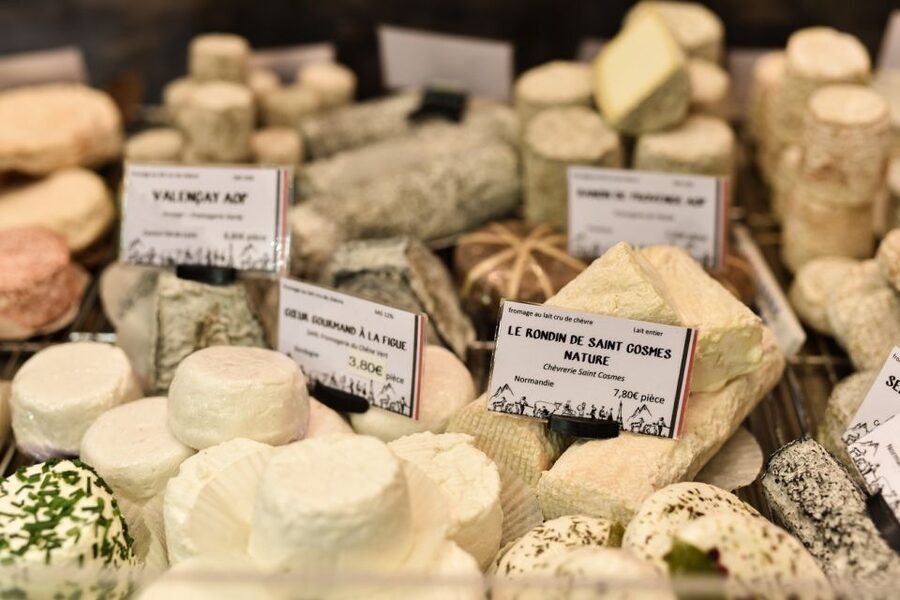
The butter-making part is especially appealing because the change is easy to follow. You begin with the ingredients and process explained by the cheese master, then work toward a finished butter you can taste.
This is the sort of food lesson that can appeal to children as well as adults. A family group with children aged 5, 7, 14, and 17 found the activity engaging across the age range. Another family took part with two children aged 7 and 11. The combination of movement, simple ingredients, and a final edible result gives younger participants a reason to pay attention.
The butter also gives you something practical to remember from the class. Some participants were able to take leftover butter with them, though you should confirm what can be taken home on the day. The official inclusions promise tastings, not a guaranteed take-home portion.
I like this part of the workshop because it changes the tone from lecture to shared work. You are not simply told how butter is made. You see the method, help produce it, and taste the result soon afterward. That connection between process and food is the best reason to choose this activity over a standard cheese tasting.
The cheese, bread, and wine tasting
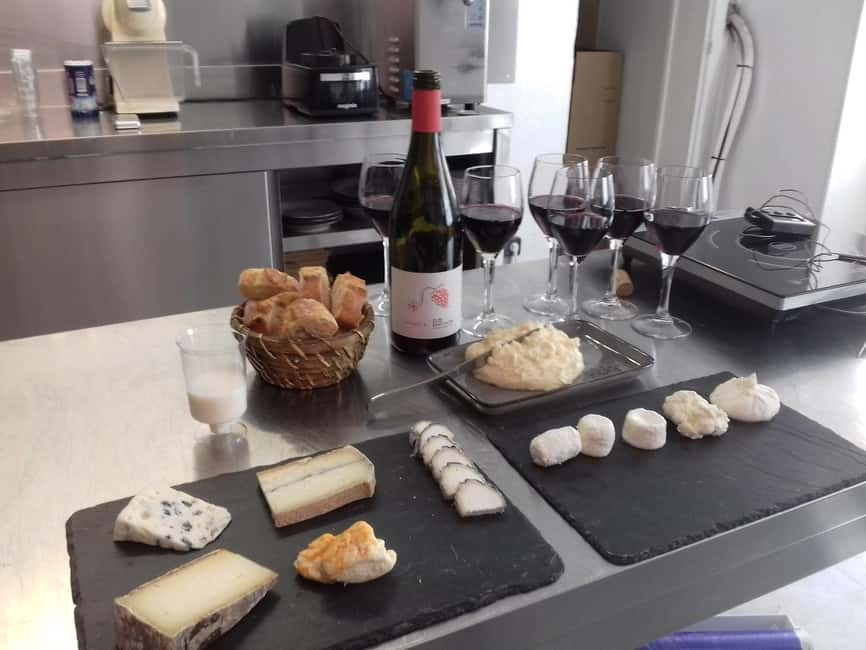
After the practical work, you taste your creations with a selection of cheese and a glass of wine. Bread is also mentioned in the experience descriptions, and it gives the fresh cheese and butter an obvious partner.
This final table is not just a reward. It helps you compare your own work with other French cheeses and notice differences in texture, strength, and use. You have just spent time making mild fresh cheese and butter, so the tasting has a clear purpose: it places those foods in the wider French cheese tradition.
The wine is part of the planned tasting, but the activity can still suit people who prefer not to drink. One participant specifically appreciated that wine was optional. If you do not drink alcohol, confirm the available alternative directly with the provider, since a nonalcoholic replacement is not specified.
The tasting also creates a relaxed close to the class. You have time to eat, talk, and ask final questions rather than ending abruptly when the cheese is finished. The small group helps here. A group of 10 can share a table without the crowded feel of a large food tour.
More Cheese Making Workshops in Paris:
- Fuerteventura: Artisan Goat’s Cheese Making at Local Farm
★ 4.9 · 112 reviews - Troodos Mountains Halloumi Making: All Inclusive Workshop & Tour
★ 5.0 · 109 reviews - Sangria Workshop and Tasting with Local Cheese
★ 5.0 · 86 reviews - Central Madrid: Sangría Workshop & Tasting with Local Cheese
★ 4.8 · 82 reviews
The teaching makes the difference
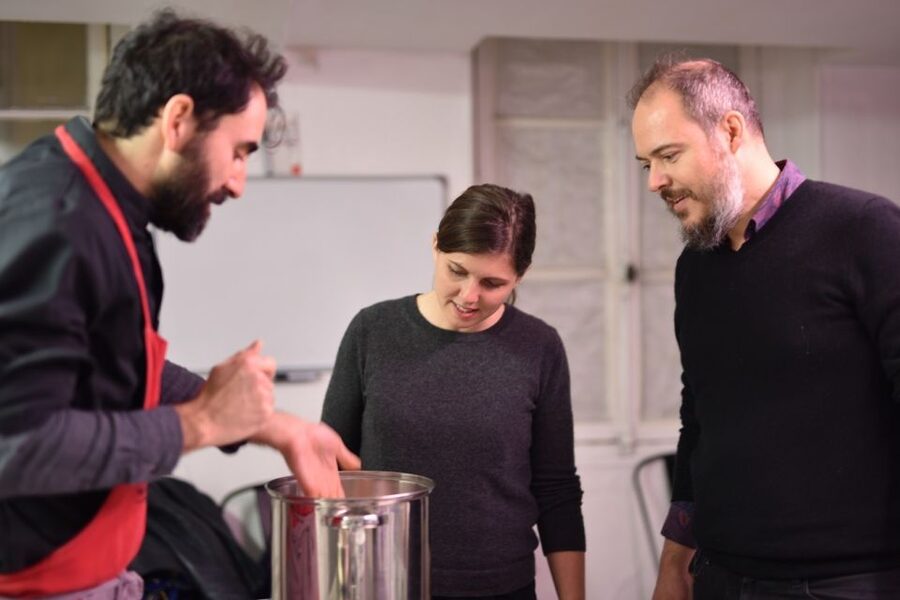
The equipment and ingredients matter, but the guide is the real variable in a class like this. The strongest sessions have been led by instructors who explain methods clearly and keep the mood light.
Agathe is described as warm, engaging, and passionate about her craft. Paul is praised for patience, humor, and strong explanations. Romain and Roman are also singled out for making the process easy to follow while answering questions. Gabriele is noted for explaining concepts and methods in a short amount of time.
Those details matter because cheese-making can become confusing when a class rushes through the technical terms. A good instructor explains not only what you are doing, but why the step matters. The best version of this activity gives you a basic grasp of cheese production, butter-making, French cheese varieties, and some of the food culture behind them.
The experience is also described as educational without feeling like school. That balance is useful in Paris, where a full day of museums can leave you ready for something more active. You get information, but you also handle ingredients, eat the results, and spend time with the group.
Guide assignments can change, so do not book with the expectation that a particular named instructor will lead your session. The names above show the level of teaching associated with the class, not a guaranteed schedule.
Is $82 a fair Paris food experience?
At $82 per person, this is not a cheap snack stop. The fee covers a two-hour class, an English-speaking instructor, use of the equipment, cheese-making instruction, butter-making instruction, and all tastings.
I think the price makes sense if you value participation. A standard cheese tasting may offer more varieties, but it will not give you the practical lesson or the satisfaction of making something yourself. A cooking class may offer a larger meal, but this one focuses on a very specific part of French food culture.
The small group also improves the value. With no more than 10 people, you are not paying for a large room where you simply watch someone else work. You should have a reasonable chance to take part and ask questions.
Still, the class is a better buy for someone curious about food than for someone seeking a substantial meal. The tasting is part of the experience, but this is not a restaurant lunch. If you want several courses or a long evening of wine, spend your money elsewhere.
The reserve-now-and-pay-later option can help if your Paris plans are still shifting. Free cancellation is available up to 24 hours before the activity for a full refund. Hotel pickup and drop-off are not included, so you must make your own way to the museum.
Who should book this class?
I would recommend it to people who want a break from monuments and galleries, especially those interested in French food beyond pastries and wine. It is also a good choice for families, based on the range of ages that has taken part successfully.
The activity works well for:
- Cheese lovers who want to understand how fresh cheese is made
- Couples looking for a shared activity with something to eat at the end
- Families with children who enjoy practical, food-based lessons
- Visitors who want an English-language class in a small group
- Repeat Paris visitors who have already covered the major sights
- Anyone who likes to return home with a skill, not just a photograph
It may be less suitable if you need step-free access, dislike group activities, or want a full meal. Pets are not allowed, and the activity is not suitable for wheelchair users.
You should also allow time to reach the meeting point and confirm the exact address before setting out. The relocation note is the one practical issue I would not ignore.
How this compares with a regular cheese tasting
A normal tasting puts the food first. You sample finished cheeses, hear a little about them, and move on. This workshop adds the missing middle: you see how ingredients become cheese and butter.
That makes it more useful for a curious beginner. You will not become a professional cheesemaker in two hours, but you will understand more about the work behind the food on a French cheese board.
The class also gives you a stronger memory of the tasting. After making tomme fraiche, you can judge it as both a food and a process. The mild acidic flavor and melting quality become easier to understand because you have handled the fresh cheese yourself.
On the other hand, the range of finished cheeses may be smaller than at a dedicated tasting session. Choose this class for participation and context. Choose a separate tasting if your main goal is to sample as many mature French cheeses as possible.
Should you book the Butter and Cheesemaking Workshop?
I would book it if you want an active, compact food experience with a clear result. The strongest reasons are the hands-on work, the small group, the English instruction, and the final cheese, butter, bread, and wine tasting.
The class is especially good for families and first-time visitors who want something beyond the usual Paris checklist. It is also a smart rainy-day plan, though the supplied details do not specify indoor transfer arrangements beyond the museum and cheese-making room.
Skip it if $82 feels high for a two-hour activity, if you want a full meal, or if accessibility is a concern. Before booking, confirm the current museum location and ask whether any remaining butter can be taken home.
For most people who enjoy food and like learning by doing, this is a memorable use of two hours in Paris. You leave with a better understanding of French cheese, a taste of your own work, and perhaps enough confidence to try butter or fresh cheese at home.
FAQ
Where does the workshop meet?
The meeting point is the Musée Vivant du Fromage, also known as the Living Cheese Museum.
How long does the activity last?
The workshop lasts two hours. Starting times depend on availability.
What will I make?
You will learn to make traditional butter and tomme fraiche, a fresh cheese with a slightly milky, acidic taste that is often used melted in traditional dishes.
Is the class taught in English?
Yes. The instructor teaches in English, and English is the listed language for the activity.
What is included in the price?
The price includes the English-speaking instructor, the cheese-making workshop, all equipment needed for the cheese, and all tastings.
Is wine included?
A glass of wine is included with the tasting of your creations. Wine is optional according to the supplied experience information.
Can wheelchair users take part?
The activity is listed as not suitable for wheelchair users.
Can I cancel for a refund?
Yes. You can cancel up to 24 hours in advance for a full refund.
Are pets allowed?
No. Pets are not allowed.
Is hotel transportation included?
No. Hotel pickup and drop-off are not included.
New cheese trips in Paris
- Paris: Wine and Cheese Pairing★ 5.0 · 4 reviews
- Paris Wine with Cheese Pairing & Tasting Small Group Class★ 5.0 · 6 reviews
- Paris Wine and Cheese Tastings Class near Le Marais★ 5.0 · 4 reviews
- French Wine and Cheese Master Class Near the Eiffel Tower★ 5.0 · 6 reviews
- Paris Marché d’Aligre Walking Tour with Chocolate and Cheese Tasting★ 3.5 · 24 reviews
- Paris Wine and Cheese Pairing Private Masterclass in a Bistrot★ 5.0 · 7 reviews
- Wine and cheese tasting at Latin Quarter★ 5.0 · 15 reviews
- Wine & Cheese in Montmartre: A True Taste of France 6-ppl Max★ 5.0 · 6 reviews
Cheese Making Workshops, compared.
Paris Cheesemaking Workshop including Wine and Cheese Tasting with an Expert
Read our review →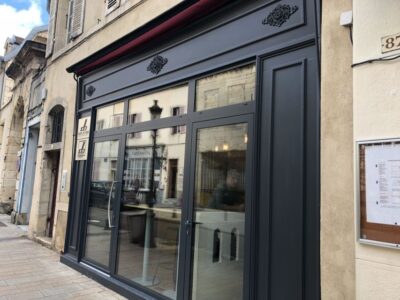
Troodos Mountains Halloumi Making: All Inclusive Workshop & Tour
Read our review →
Central Madrid: Sangría Workshop & Tasting with Local Cheese
Read our review →Troodos Mountains Halloumi Making: All Inclusive Workshop & Tour
Read our review →
Visit to the property and wine/cheese pairing workshop
Read our review →Browse the lists this tour appears in