
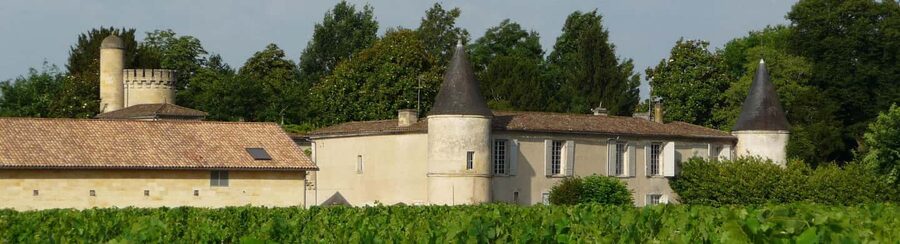
Reviewed · CHEESE MAKING WORKSHOPS
Visit to the property and wine/cheese pairing workshop
Château Cruzeau offers the kind of wine visit I like best: a small family estate where the person explaining the wine is closely tied to the vines, the cellar, and the daily work. You walk through a 12-hectare Saint-Émilion Grand Cru property, then follow the wine from harvest through aging and bottling. I especially like the family connection, carried through five generations, and the simple, useful tasting lesson at the end: three red wines matched with three French cheeses.
The main consideration is that this is a focused two-hour visit, not a broad tour of the Saint-Émilion region. You will not see several châteaux or compare a long list of wines. You will get one estate, one family story, and a structured introduction to its wines, with the vineyard walk taking place outdoors.
Key points at a glance
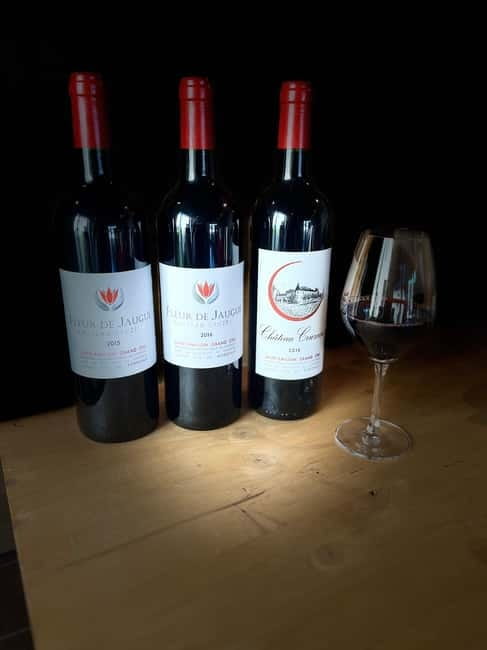
- A five-generation family estate: Château Cruzeau is managed by the Luquot family and offers a personal look at small-scale wine production.
- A useful wine-making lesson: The route covers the vineyard, vat room, and barrel cellar, so you can follow the wine transformation cycle from grapes to bottle.
- Three wines and three cheeses: The tasting turns a pretty château visit into a practical lesson in French food and wine pairing.
- Owner-led hospitality: Jessica Luquot is identified in the feedback as the owner and host, and visitors praised her clear explanations and warm manner.
- Good value at $21: Two hours, a property visit, a guided tour, and a three-wine tasting with cheese make this a modestly priced introduction to Bordeaux wine.
- Easy language choice: The tour is offered in French and English, with free cancellation up to 24 hours before the visit.
Why Château Cruzeau feels different from a formal château tour
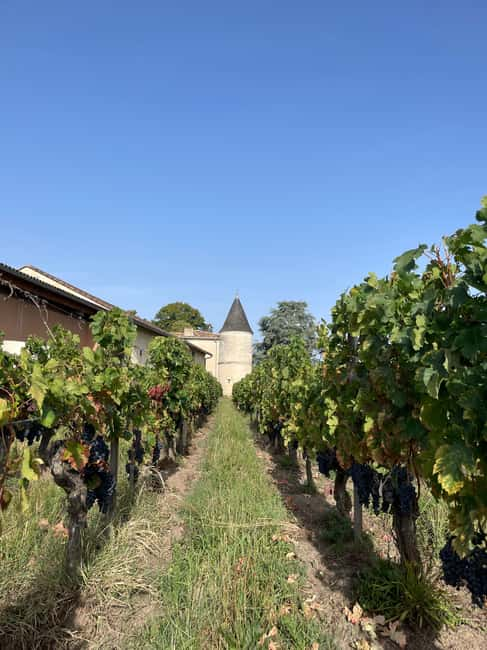
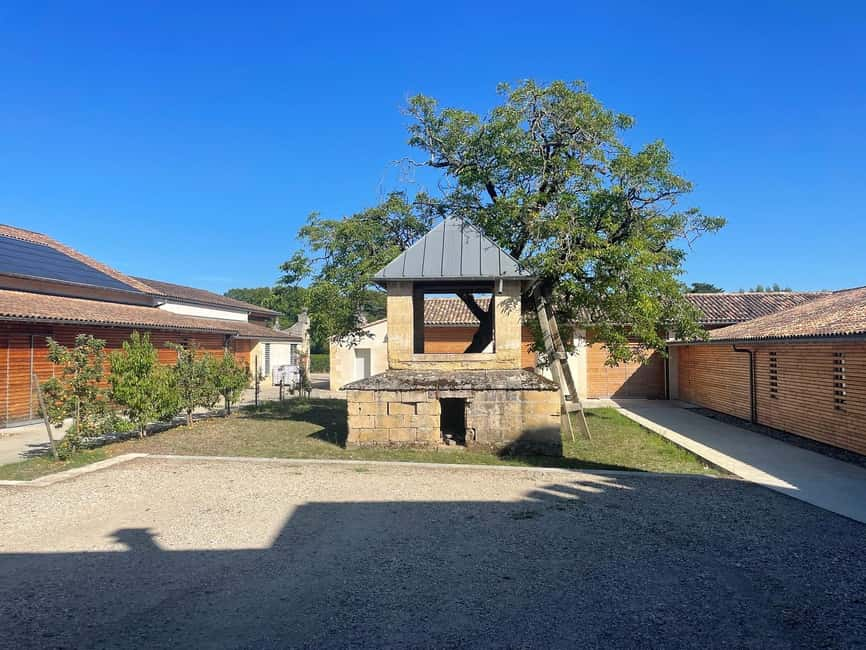
The first thing to understand is the scale. Château Cruzeau is not presented as a grand public museum with a polished script and a large visitor center. It is a working family property in the Libourne area, on the border between Saint-Émilion and Pomerol.
That setting matters. Saint-Émilion is one of Bordeaux’s best-known wine areas, but many wine visits can become a blur of grand names, technical terms, and polished tasting rooms. Here, the point is more direct. You are visiting the Luquot family’s estate and learning how this particular property works.
The family has managed the vineyard for five generations. That gives the visit a useful human scale. You are not just hearing that wine-making is a tradition. You are hearing how one family has kept the work going over time, adapted its methods, and continued to make wine from the same property.
Jessica Luquot appears to lead the visit, and that personal connection is one of the strongest reasons to book. The host is described as patient, clear, and passionate about the family, the château, and the work of making wine. If you enjoy asking questions, a small family estate often gives you more room to do that than a busy commercial tour.
More Cheese Making Workshops in France
- Paris Cheesemaking Workshop including Wine and Cheese Tasting with an Expert
★ 5.0 · 141 reviews - Dijon: Cheese and Burgundy Wine Tasting Workshop
★ 4.8 · 122 reviews - Paris: Butter and Cheesemaking Workshop
★ 4.9 · 103 reviews
Starting at 152 Avenue de l’Épinette
The meeting point is the property reception at 152 Av. de l’Épinette. The tour begins and ends there, so you do not need to manage a one-way route or figure out a second pickup point.
The visit lasts two hours, with the guided tour listed at about one and a half hours. The remaining time is naturally suited to the tasting and transitions between the different parts of the estate. Exact starting times vary, so check availability when you book.
This is a useful length for a half-day plan. You get enough time to see the vineyard and production spaces without committing most of your day to a single appointment. I would pair it with time in Saint-Émilion or Libourne, but I would not try to stack too many other château visits immediately afterward. Wine visits can run at a relaxed pace, especially when questions are welcome.
The tour is available in French and English. That makes it practical for mixed-language groups, though the depth of your conversation will naturally depend on the language you choose and the size of your group.
Walking through the 12-hectare vineyard
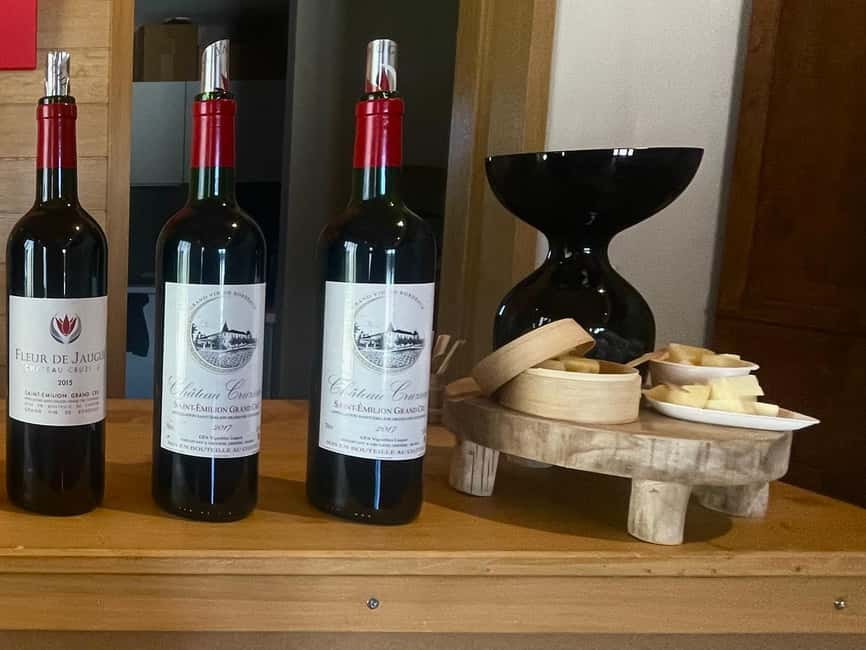
The vineyard visit gives you the first piece of the wine-making story. You see the property in its wider setting, with the vines forming the starting point for everything that comes later.
The tour introduces Château Cruzeau’s philosophy and growing practices. The information provided does not list a particular farming certification or a detailed set of vineyard methods, so you should not book this expecting a specialist lesson in organic or biodynamic agriculture. Instead, expect a clear introduction to how this family property approaches its vines.
That distinction is helpful. If you already know Bordeaux wine, you may want to ask specific questions about pruning, harvest decisions, soil, grape varieties, or farming choices. If you are new to wine, the vineyard stop gives you the basic connection between the rows of vines and the wine in your glass.
The outdoor portion is also the most weather-dependent part of the visit. Comfortable shoes make sense, and you should be ready to spend some time outside. The property is described as being in a green setting, but the exact walking conditions and length of the vineyard route are not specified.
The location near both Saint-Émilion and Pomerol adds useful context. Those names carry weight in Bordeaux, but the tour lets you focus on one estate rather than getting lost in regional labels. You can ask how the property’s location shapes its wines and how an estate in this area fits into the wider Bordeaux picture.
Seeing the vat room and barrel cellar
After the vineyard, the visit moves indoors to the vat room and barrel cellar. This is where the tour becomes especially useful for anyone who has enjoyed wine but never understood what happens between harvest and bottling.
The guide explains the wine transformation cycle, taking you through the stages of production. The available details do not specify the exact equipment or cellar layout, so expect an interpretive visit rather than a technical demonstration. You will learn how the estate handles the wine as it moves from grapes toward the finished bottle.
The vat room helps you connect the harvest with fermentation and wine production. The barrel cellar then shows the next part of the process, where aging becomes part of the conversation. Even a basic explanation can change the way you taste a Bordeaux red. Instead of treating the wine as a finished product, you begin to notice the decisions made before it reaches the glass.
This section is likely to appeal most to curious beginners and intermediate wine drinkers. You do not need a serious wine background to follow it. The host’s role is to explain the work in a way that connects the buildings, equipment, and finished wines.
The cellar also gives the visit a welcome sense of place. You are not simply sitting down for a tasting first. You see the spaces where the wines are made, then taste them with a clearer idea of their journey.
More Wine and Cheese Tastings in France
- Paris: Montmartre Cheese, Wine & Pastry Guided Walking Tour
★ 4.8 · 2,255 reviews - Private Montmartre Food Tour with Wine, Cheese & Pastries
★ 5.0 · 1,027 reviews - Paris Le Marais Food Tour With 10+ Tastings, Cheese, Wine & More
★ 5.0 · 985 reviews - Paris: Wine and Cheese Lunch
★ 4.9 · 596 reviews
Three red wines with three French cheeses
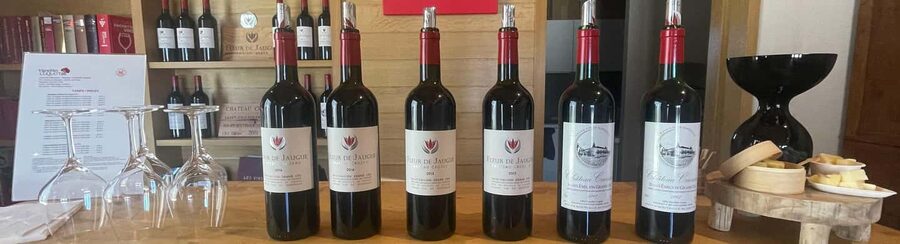
The tour ends with a tasting of three red wines and three French cheeses. This is more than a final snack. It is a small workshop in how food changes the way wine tastes.
The pairing format is easy to understand. You taste the wine, try it with the selected cheese, and compare the result. The host can explain why a particular match works better than another, and you can begin to notice how salt, texture, richness, and sharpness affect a red wine.
I like this approach because it gives you something practical to take home. You do not need to remember a long list of tasting terms. You can simply learn that the same wine may feel different with food, and that a good pairing is often about balance rather than price or prestige.
The wines are red, which suits the Bordeaux setting. The exact vintages, grape blends, and cheese varieties are not provided, and they may change with availability. If those details matter to you, ask at the start of the tasting.
The tasting has received particularly strong praise for the quality of the pairings and the wines. The host is also singled out for making the session both instructive and friendly. That combination matters. A tasting can become stiff when the guide focuses too much on technical language. Here, the goal appears to be conversation, explanation, and enjoyment.
You should also plan responsibly. Three wines may sound modest, but you are still tasting alcohol. If you are driving, arrange your day with care.
A personal host instead of a standard script
The strongest part of this visit is the human contact. Jessica Luquot is described as running the family operation with her husband and sharing the story of the property directly. That can change the tone of the whole afternoon.
A family owner can point out details that a standard guide may not cover: how the estate has changed, what daily vineyard work involves, and why the wines are made in a particular way. The visit also seems well suited to questions. A small group of three was able to ask freely and receive detailed answers, while a larger group of seven still found the tour engaging.
Group size is not fixed in the information provided, so the mood may vary on the day. A small group will likely feel more like a conversation. A larger group may feel more like a formal presentation, though the family-led format should still keep it personal.
The host’s warmth receives as much attention as the wine itself. That is important for first-time wine visitors. You want someone who can explain the basics without making you feel foolish for asking them.
Is $21 a good value?
At $21 per person, this is a strong value for a two-hour visit in the Saint-Émilion area. You receive a guided property visit, time in the vineyard, an explanation of the vat room and barrel cellar, and three wines paired with three French cheeses.
The price is especially fair if you want a single, well-rounded introduction to Bordeaux wine. You are paying for access to the working property, the guide’s time, and the tasting, not just a few pours at a counter.
The value depends partly on what you want. If you are looking for a grand château, historic architecture, or an extensive tasting of rare vintages, this may feel too modest. If you want a family story, a look at wine production, and a relaxed food pairing, the price is hard to fault.
The experience also avoids the cost of a full-day organized wine excursion. You can build your own day around it and spend the rest of your time in the surrounding area.
Who should book this visit?
I would recommend Château Cruzeau to:
- First-time wine visitors who want the production process explained in plain language
- Couples and small groups who prefer a personal host to a large commercial tour
- Food lovers who enjoy learning through cheese and wine pairings
- Visitors staying near Saint-Émilion, Pomerol, or Libourne
- English-speaking visitors who want a guided French wine visit without a language barrier
- Anyone looking for a short, reasonably priced activity rather than a full-day excursion
It may be less suitable if you want a highly technical vineyard seminar, a long list of wines, or a tour centered on grand architecture. The focus here is the family property and its wines.
The property is listed as wheelchair accessible, which makes it a practical choice for visitors who need that feature. Still, because part of the visit takes place outdoors in the vineyard, it is sensible to confirm any specific mobility requirements before arrival.
Booking details that matter
You can cancel up to 24 hours before the visit for a full refund. The reserve-now, pay-later option lets you hold a place without paying at once, which is useful when your schedule around Bordeaux is still shifting.
The meeting point is the property reception at 152 Av. de l’Épinette, and the tour returns there. The activity lasts two hours, and starting times depend on availability.
The tour is offered in French and English. It includes the property visit and the full tasting of three wines and three French cheeses. Those inclusions make the price easier to assess before you book.
Should you book Château Cruzeau?
Book this visit if you want to understand how a Bordeaux family estate works and you like the idea of learning through a relaxed wine and cheese tasting. The combination of vineyard, vat room, barrel cellar, and three pairings gives you a complete introduction without taking over your day.
I would choose it over a larger, more polished tour if personal contact matters to you. Jessica Luquot’s role as owner and host adds a direct connection to the property, and the family story gives the tasting more meaning.
Skip it only if you are seeking a grand château setting, a large selection of wines, or a specialist-level lesson in vineyard science. For $21, Château Cruzeau offers a clear, friendly, and well-sized introduction to Saint-Émilion wine, with enough substance to make the tasting memorable and enough simplicity to keep it enjoyable.
FAQ
Where is Château Cruzeau located?
Château Cruzeau is in Nouvelle-Aquitaine, France, near Libourne, on the border of Saint-Émilion and Pomerol. The meeting point is the property reception at 152 Av. de l’Épinette.
How long does the visit last?
The full activity lasts two hours. The guided property tour is listed as taking about one and a half hours.
What does the tour include?
It includes a visit to the property, a guided look at the vineyard, the vat room and barrel cellar, and a wine and cheese pairing workshop with three wines and three French cheeses.
How many wines will I taste?
You will taste three red wines from Château Cruzeau.
How many cheeses are included?
The tasting includes three French cheeses selected to accompany the wines.
Is the tour available in English?
Yes. The live guide can conduct the tour in French or English.
Who manages Château Cruzeau?
The Luquot family has managed the property for five generations. Jessica Luquot is identified as the owner and host for the visit.
Is Château Cruzeau wheelchair accessible?
Yes, the activity is listed as wheelchair accessible.
Can I cancel the booking?
Yes. You can cancel up to 24 hours in advance for a full refund. A reserve-now, pay-later option is also available.
New cheese trips in France
- Wine Masterclass & Cheese Tasting Workshop in Bordeaux★ 5.0 · 2 reviews
- Wine, Cheese and Charcuterie tasting★ 4.9 · 17 reviews
- Wine and Cheese experience★ 4.5 · 18 reviews
- Paris: Wine and Cheese Pairing★ 5.0 · 4 reviews
- Cheese food-tour through downtown Toulouse★ 4.5 · 7 reviews
- Wine and Cheese Tasting★ 4.5 · 17 reviews
- Paris Wine with Cheese Pairing & Tasting Small Group Class★ 5.0 · 6 reviews
- Paris Wine and Cheese Tastings Class near Le Marais★ 5.0 · 4 reviews
Cheese Making Workshops, compared.
Paris Cheesemaking Workshop including Wine and Cheese Tasting with an Expert
Read our review →
Troodos Mountains Halloumi Making: All Inclusive Workshop & Tour
Read our review →
Central Madrid: Sangría Workshop & Tasting with Local Cheese
Read our review →Troodos Mountains Halloumi Making: All Inclusive Workshop & Tour
Read our review →Browse the lists this tour appears in