
Reviewed · CHEESE MAKING WORKSHOPS
Fuerteventura Goat Cheese Workshop with Transfer from the South
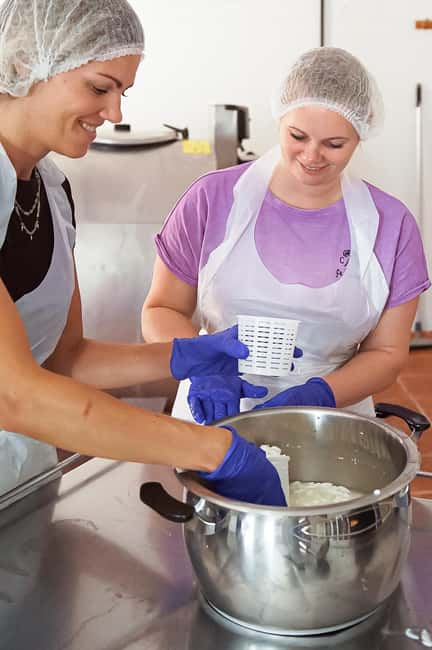
Fuerteventura’s goat cheese tradition becomes much more interesting when you can make the cheese yourself, rather than simply order a plate in a restaurant. This workshop takes you to a working farm with about 350 goats, where a cheesemaker explains the process from ingredients to ripening, then lets you put your hands to work.
I like two things right away: the hands-on lesson gives the visit a real purpose, and the tasting lets you compare young, semi-ripe, and ripe cheese with white wine. The farm walk, about 500 meters, adds useful context without turning the outing into a long hike.
The main consideration is the time range. The experience lasts from 2.5 to 4 hours, depending on the selected departure and the day’s arrangements. Children under 9 cannot join, and you should bring water and wear sturdy, closed-toe shoes.
Key points at a glance
- A working farm with around 350 goats: This is a real agricultural setting, not just a tasting room.
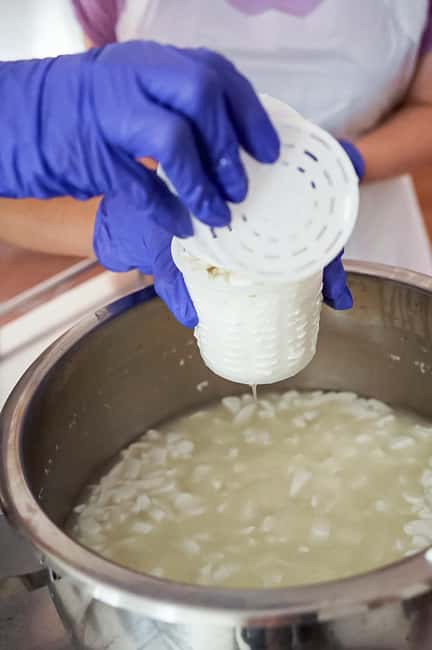
- You make a small goat cheese yourself: Expect practical instruction on ingredients, production, and ripening.
- Three stages of ripeness: Young, semi-ripe, and ripe cheeses show how flavor and texture change over time.
- A short guided farm tour: The walk covers about 500 meters, giving you a closer look at the setting.
- White wine comes with the tasting: It adds a pleasant finish to the food-focused visit.
- Pickup from southern hotels: A white minibus can collect you at your hotel, with a meeting point arranged for apartment stays.
Why this farm visit feels different from a standard tasting
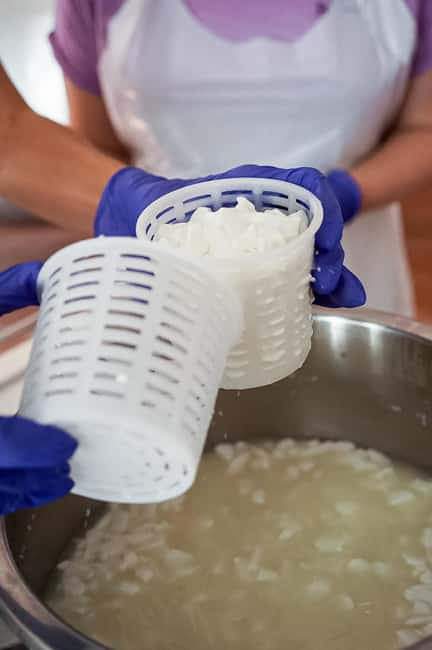
A normal cheese tasting asks you to look, smell, and eat. This experience adds the missing part: you learn how the cheese is produced. That matters on Fuerteventura, where goat cheese is tied to the island’s long agricultural tradition and local milk supply.
You are not simply handed a plate of samples. The session explains how ingredients are chosen and prepared, how the cheese is made, and how it changes during ripening. That sequence helps you understand why one cheese may be soft and mild while another has a firmer texture and stronger flavor.
The farm setting also gives the lesson a practical edge. With around 350 animals on site, you get a sense of the scale behind a regional food product. This is not a staged village scene designed only for photographs. It is a place where goats, milk, production, and finished cheese belong to the same story.
The clearest praise for the experience centers on its preparation and the chance to take part. The German feedback describes it as informative, well prepared, and fun to work with your hands. That is a useful guide to the tone: expect instruction, but not a lecture where you sit quietly for the whole visit.
More Cheese Making Workshops in Spain
- Fuerteventura: Artisan Goat’s Cheese Making at Local Farm
★ 4.9 · 112 reviews - Sangria Workshop and Tasting with Local Cheese
★ 5.0 · 86 reviews - Central Madrid: Sangría Workshop & Tasting with Local Cheese
★ 4.8 · 82 reviews
Starting with pickup from southern Fuerteventura
Transportation is included, and hotel pickup is available in a white minibus. If you are staying in a hotel, the pickup takes place in front of the property. Apartment stays work a little differently, with the meeting point provided the day before.
This arrangement is especially useful if you are based in the south and do not want to plan a separate route to the farm. It also removes the need to sample wine and then drive yourself. The exact pickup time depends on availability, so check the starting options when booking.
The duration is listed as 2.5 to 4 hours. That is a fairly broad window, so do not schedule a tight lunch reservation or airport transfer afterward. The extra time may reflect pickup routes, the pace of the farm visit, and the workshop itself.
You should bring water. Fuerteventura can feel dry and exposed, even when the activity itself is not strenuous. Closed-toe, sturdy shoes are required, which is sensible for a working farm rather than a polished indoor venue.
Meeting the goats and walking the farm
The guided farm tour covers about 500 meters. That is short enough for most people who can manage an ordinary walk, but the footwear advice still matters because a farm surface may not be as even or clean as a pavement.
The tour gives you a better sense of where the cheese begins. Instead of treating goat cheese as an abstract local specialty, you see the setting and livestock connected to it. The number of animals, around 350, also helps explain why the visit can feel more substantial than a small demonstration in a shop.
The farm tour is not presented as a long animal encounter or a separate wildlife activity. Its value is context. You see the working environment before moving on to the production lesson and tasting.
Because the tour is limited to about 500 meters, the emphasis stays on food and farming rather than exercise. I would choose this outing for a relaxed half-day, not for a full farm day with many different activities.
Making your own small goat cheese
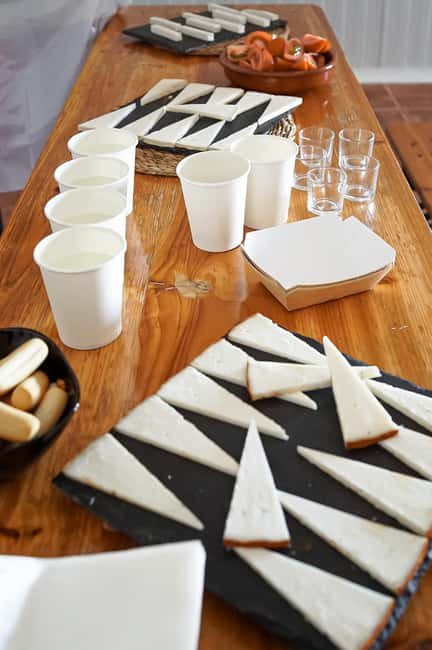
The heart of the experience is the workshop. An experienced cheesemaker guides you through the basic decisions involved in production, including the ingredients, preparation, techniques, and ripening process.
You also make a small goat cheese yourself. That simple act changes how you pay attention. You begin to notice the role of texture, timing, and handling instead of treating cheese as a finished object that appears on a plate.
The description does not promise that you will produce a large wheel or take home a full supply. Think of this as a practical introduction, with a small cheese as the result. The point is to understand the method and feel the material in your hands.
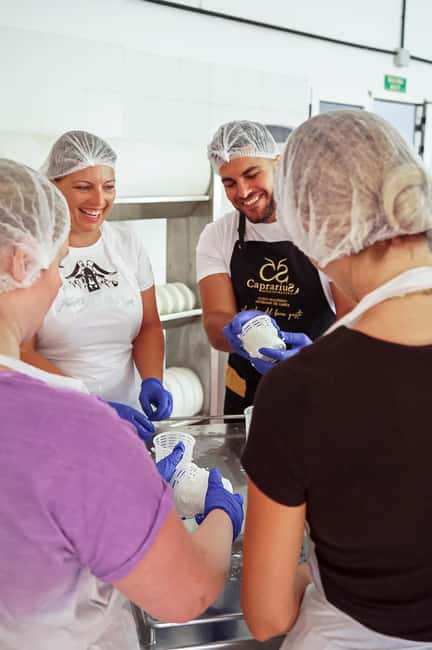
This is also where the workshop’s strongest quality appears: it is not only about watching an expert. You are asked to take part. The German feedback specifically praises getting hands-on, and that matches the design of the activity.
The teaching includes preservation and storage tips. Those details are easy to overlook, but they make the session more useful after you leave. You learn not just how cheese is made, but how its condition and flavor can be managed afterward.
Same region, a different board:
- Tacoronte: Guided Winery Tour with Wine and Cheese Tastings
★ 4.6 · 481 reviews - Guided Visit to the Estrella Galicia Museum with Cheese Pairing
★ 5.0 · 218 reviews - Fuerteventura: Tickets to Salt, Cheese and Windmill Museums
★ 4.4 · 129 reviews - Tenerife Bodegas Monje Winery Tour with Wine and Cheese Tasting
★ 4.5 · 121 reviews
Tasting young, semi-ripe, and ripe cheese
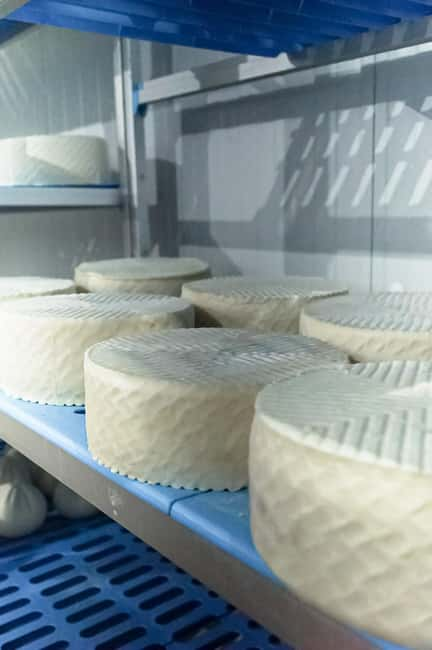
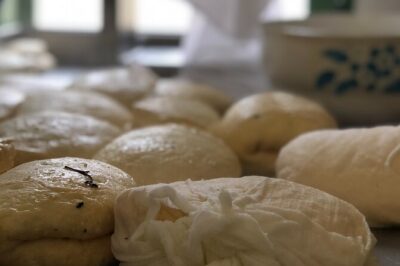
The tasting compares three stages of ripeness: young, semi-ripe, and ripe. This is a smart format because it gives you a clear progression instead of a random collection of samples.
Young cheese usually serves as the gentler starting point in a tasting, while more mature cheese can show firmer texture and a stronger character. The activity information does not specify exact recipes or flavors, so you should not expect a fixed menu beyond the stated varieties. What you can count on is a side-by-side look at how aging changes the product.
White wine is included with the tasting. It provides a traditional food pairing and makes the final part of the workshop feel like a proper culinary session rather than a quick sample at the end.
I like that the tasting follows the making lesson. You first learn the process, then examine the results. That order helps you connect the milk, the production methods, and the finished cheese.
The tasting may be less appealing if you dislike goat cheese or do not drink wine. The workshop still has value without drinking, but the food portion is central, so this is not the right pick for someone seeking a sightseeing tour with only a token snack.
The value of $92 per person
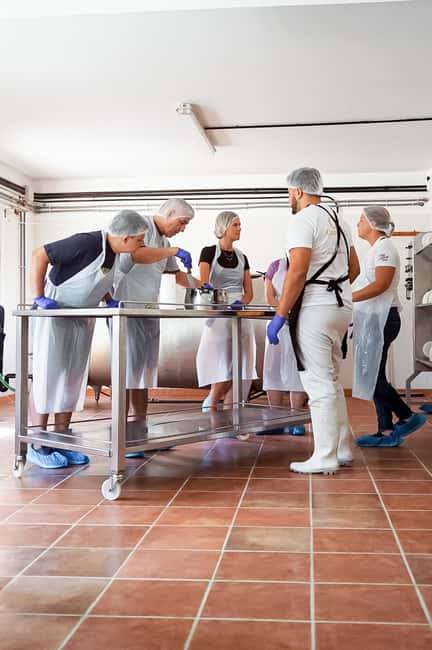
At $92 per person, this costs more than a simple cheese plate or an independent farm visit. The price makes more sense when you count the full package: transportation, a guide, a farm tour, hands-on production, a tasting, and white wine.
You are paying for access to a working farm and for instruction from an experienced cheesemaker. That is different from buying local cheese in a market, where you get the product but none of the production story.
The included transport is another practical benefit, particularly if you are staying in the south. A separate taxi or rental car would add cost and planning, and driving would limit your ability to enjoy the wine.
Value depends on your interests. If you enjoy food traditions, small-scale production, and guided activities, $92 can be reasonable for a half-day outing. If you mainly want scenic views or a cheap tasting, the price may feel high.
The limited number of ratings means you should not treat the perfect five-star score as a guarantee for every person. Still, the available feedback points to the features that are most likely to please: clear preparation, useful information, and active participation.
Who should book this experience
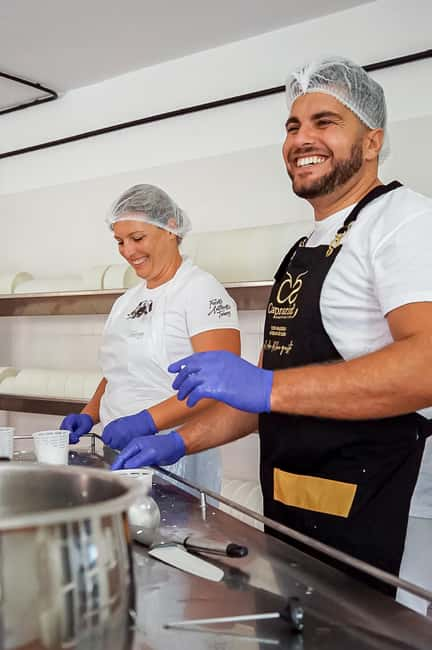
I would recommend it most strongly to adults and older children who enjoy food and want more than a passive tasting. It suits couples, small groups of friends, and curious families with children aged 9 and above.
It is also a good choice for visitors who want a local tradition explained in a direct, practical way. You learn what makes Fuerteventura goat cheese distinctive, then see the work behind it.
You may want to skip it if you need a tightly timed activity, dislike farm settings, or want a long sightseeing route. The farm walk is short, and the main event is the workshop, not a broad tour of the island.
The language options are English and German. That makes the session accessible to speakers of either language, though you should confirm the available language when selecting your time.
Practical details before you reserve
Pickup is optional but included as an available service from southern hotels. Hotel guests are collected in front of the property. If you are in an apartment, expect a meeting point rather than a door-to-door pickup, with the details sent the day before.
Wear closed-toe shoes with a firm sole. This is a working farm, so sandals are a poor choice even in warm weather. Bring water, since none is listed among the included items.
The activity does not accept children under 9. That rule is worth checking before booking for a family, especially because the workshop involves handling ingredients and taking part in production.
You can cancel up to 24 hours before the activity for a full refund. The reserve-now, pay-later option also keeps your plans flexible, since you do not pay at the time of booking.
Starting times vary. Check availability rather than assuming a fixed departure, and leave spare time around the activity because the total duration can reach four hours.
Should you book the goat cheese workshop?
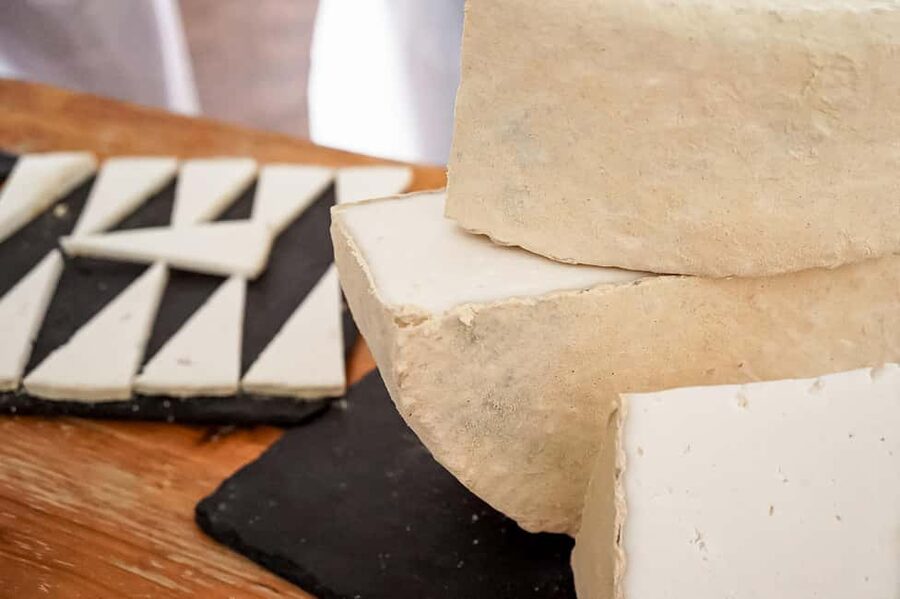
Book it if you want a hands-on food experience rooted in Fuerteventura’s farming tradition. The combination of a 350-goat farm, a short guided walk, practical cheese making, ripening advice, and a three-stage tasting gives the outing more substance than a quick local-food stop.
The strongest reasons to choose it are the active workshop and the clear comparison of young, semi-ripe, and ripe cheese. Hotel pickup from the south and included white wine add convenience and value.
Skip it if you are looking for major sightseeing, a very short activity, or something suitable for children under 9. For food-minded visitors who like knowing how a regional product is made, this is a well-focused half-day experience at a traditional Fuerteventura farm.
FAQ
How long does the Fuerteventura goat cheese workshop last?
The activity lasts between 2.5 and 4 hours. Check the available starting times when booking because the exact duration can vary.
Is transportation included from southern Fuerteventura?
Yes. Transportation is included, and hotel pickup is available in a white minibus. Hotel guests are picked up in front of the hotel. Apartment guests receive a meeting point the day before.
What will I do during the workshop?
You will learn how ingredients are chosen and prepared, see production and ripening methods, and make a small goat cheese yourself with guidance from an experienced cheesemaker.
Does the experience include a farm tour?
Yes. A guided farm tour is included, with a walk of about 500 meters. The farm has around 350 goats.
What food and drink are included?
The experience includes a tasting of young, semi-ripe, and ripe goat cheese. White wine is provided as an accompaniment.
Is the activity suitable for children?
No. Children under 9 are not permitted to join. Participants should also wear sturdy, closed-toe shoes and bring water.
New cheese trips in Spain
- Cheese Factory Workshop with Wine Tasting in Requena, Valencia★ 4.5 · 3 reviews
- Guided Tour Montesdeoca Cheese Factory – Cheese and Wine Tasting★ 4.5 · 6 reviews
- Hike the Cork Oak trail and try some Delicious Cheese★ 5.0 · 12 reviews
- Discover the Art of Idiazabal Cheese in the Basque Country★ 4.5 · 9 reviews
- Private Basque Cheese & Txakoli Wine Tour from San Sebastian★ 5.0 · 20 reviews
- Menorca: Cheesemaking and Farm-Fresh Product Tasting★ 5.0 · 29 reviews
- Mallorca Wine and Cheese Tasting★ 5.0 · 29 reviews
- Madrid Bike Tour with Churros and Wine, Ham, and Cheese Upgrade★ 5.0 · 8 reviews
Cheese Making Workshops, compared.
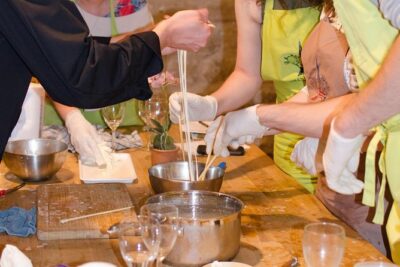
Paris Cheesemaking Workshop including Wine and Cheese Tasting with an Expert
Read our review →
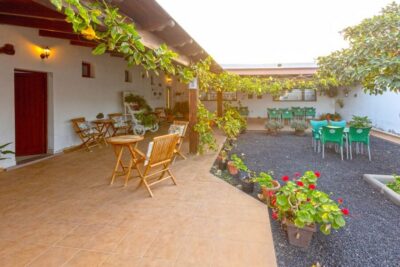
Troodos Mountains Halloumi Making: All Inclusive Workshop & Tour
Read our review →
Central Madrid: Sangría Workshop & Tasting with Local Cheese
Read our review →Troodos Mountains Halloumi Making: All Inclusive Workshop & Tour
Read our review →Browse the lists this tour appears in